
Europe
Hungary travel guide
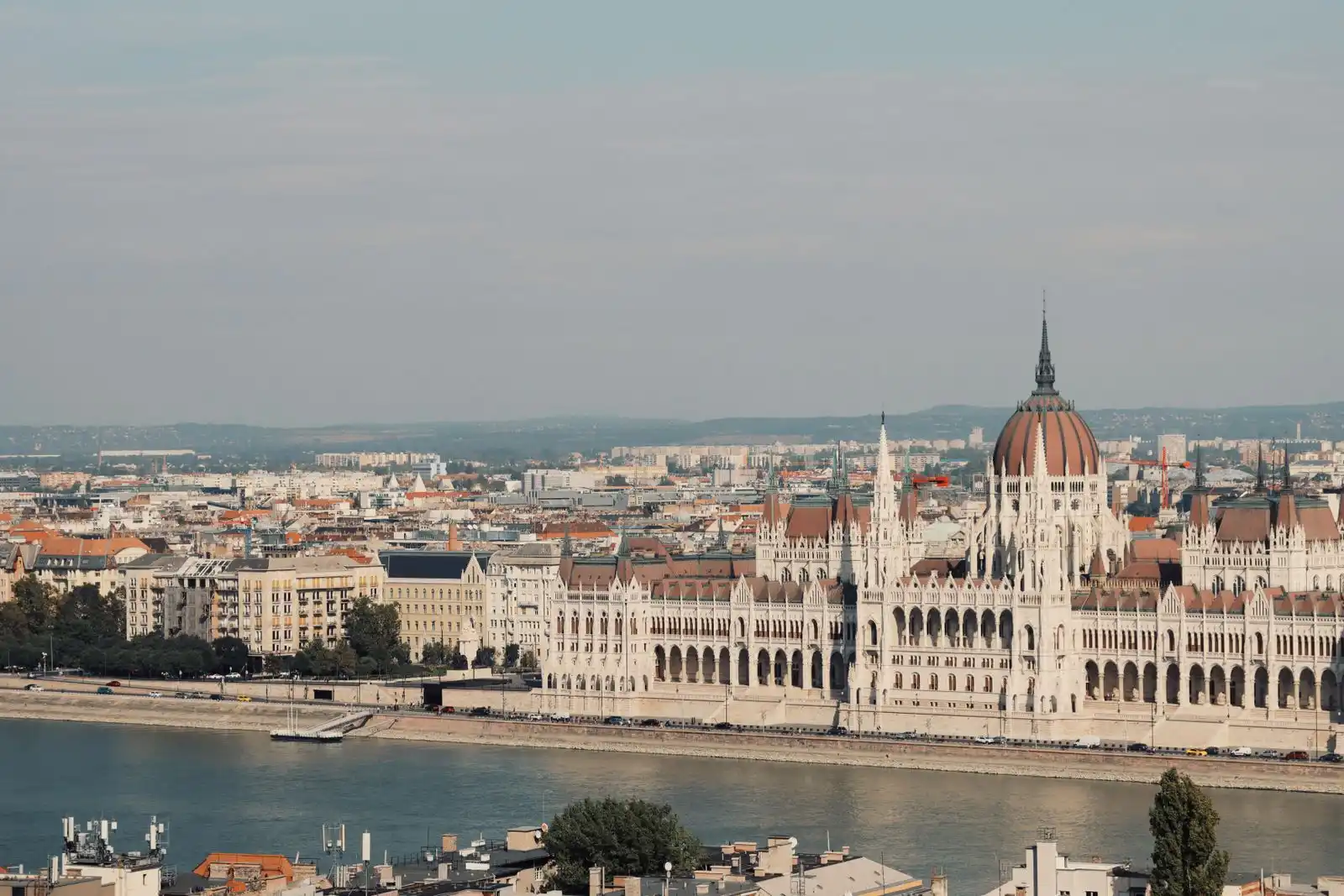
Hungary’s capital, Budapest, is split by the Danube into hilly Buda and flat Pest. It is famous for its thermal baths, its grand 19th-century architecture and its good value compared with Western Europe.
Photo: Efrem Efre / Pexels · Pexels License
Hungary at a glance
- Currency
- Hungarian forint (HUF, Ft). Cards are widely accepted. Choose to pay in forints when a card machine asks.
- Language
- Hungarian. English is common in the centre.
- Plugs
- Type C and F, 230 V.
- Emergency number
- 112
- Entry
- Part of the Schengen area. Check official entry rules for your passport before you travel.
- Getting around
- Budapest is the rail hub of Hungary; trains and HÉV suburban lines reach the Danube Bend towns.
City guides for Hungary
Budapest
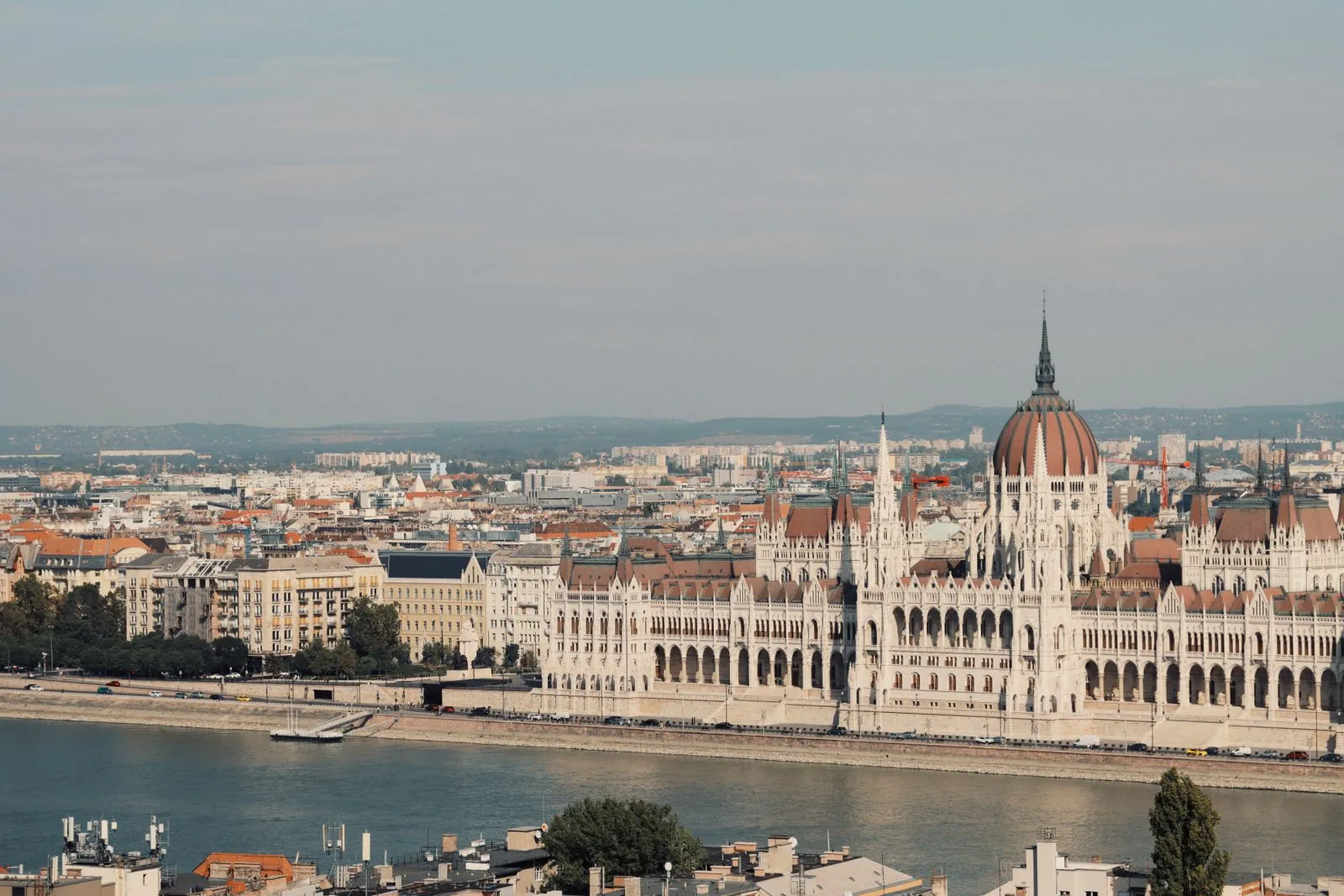
Budapest is two cities in one: hilly Buda with the Castle District on the west bank, and flat, lively Pest with the Parliament, the Basilica and the Jewish Quarter on the east. The Chain Bridge links them and you can walk between the highlights in a day. Three days lets you add a thermal bath, Gellért Hill and the City Park. The currency is the Hungarian forint, not the euro.
If you only have one day in Budapest
- Hungarian Parliament Building: The Gothic Revival parliament is 268 m long and its dome is 96 m high, a nod to the year 896. The 45-minute guided tour takes you to the Dome Hall, where the Hungarian Holy Crown is guarded day and night.
- Széchenyi Chain Bridge: Opened in 1849, it was the first permanent bridge across the Danube in Hungary. It was designed by the English engineer William Tierney Clark and built by the Scottish engineer Adam Clark – no relation.
- Fisherman’s Bastion: A fairy-tale lookout terrace built between 1895 and 1902 by Frigyes Schulek. Its seven towers stand for the seven Magyar chieftains, and it frames the best view of the Parliament across the Danube.
- Best time to go
- April–June and September–October. December has Christmas markets; July–August is hot and busy.
- From the airport
- Bus 100E Airport Express runs around the clock to Kálvin tér and Deák Ferenc tér. It needs its own ticket: 2,500 Ft, bought with a bank card at the Pay&GO device on board, in the BudapestGO app or at machines. Regular tickets and the 24-hour travelcard are not valid on it (checked October 2026).
Hungary travel FAQ
How many days do I need in Budapest?
Two days covers the Parliament, the Chain Bridge and the Castle District. Three days lets you add a thermal bath, Gellért Hill and the Jewish Quarter at a relaxed pace.
Does Hungary use the euro?
No. Hungary uses the forint (Ft). Pay in forints when a card machine offers you a choice of currency.
Travelling to Hungary?
Heads-up: this page contains affiliate links. If you book or buy through them we may earn a small commission at no extra cost to you. It never changes our picks. How we make money.