
Europe
Italy travel guide
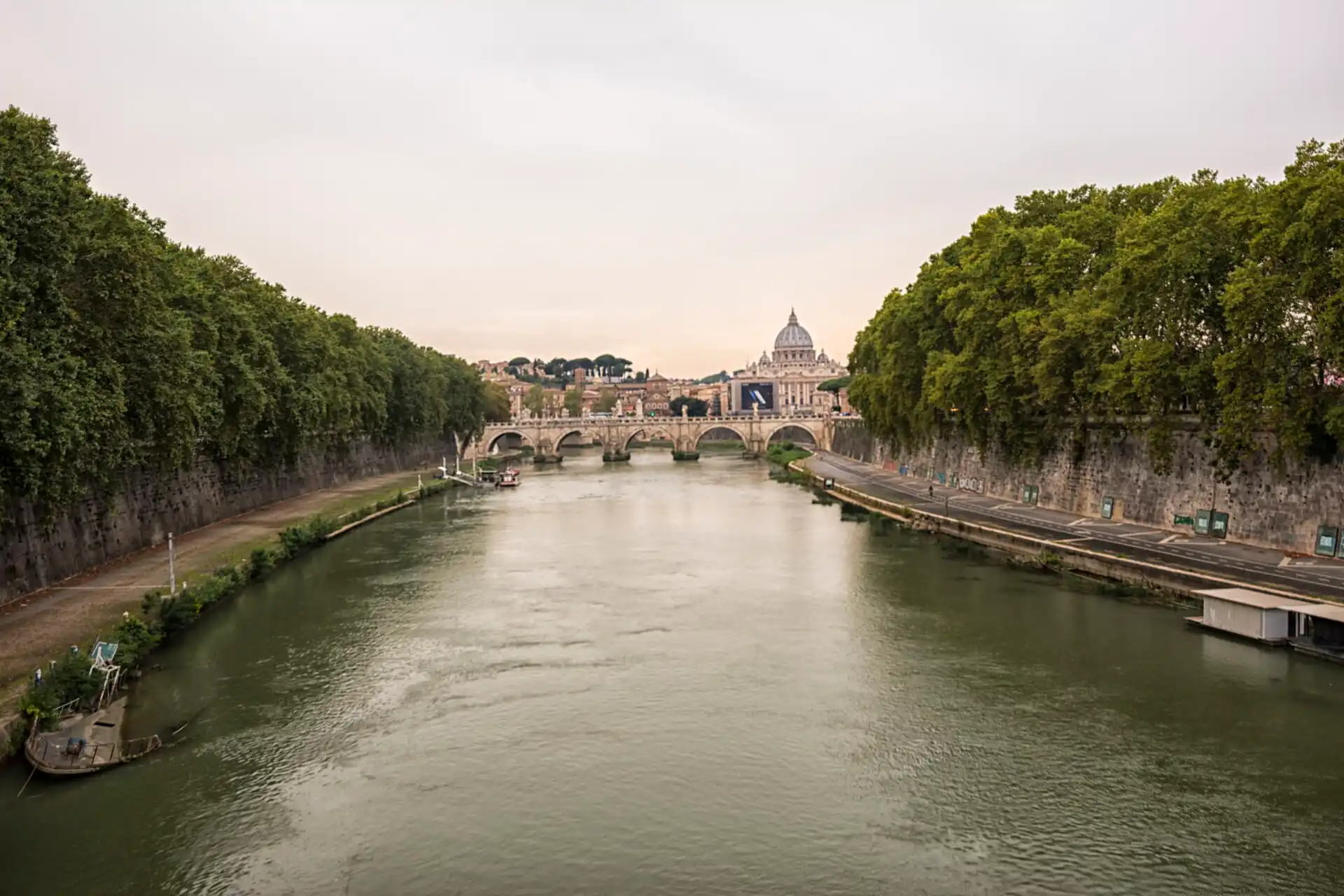
Italy has more famous art, architecture and food per square kilometre than almost anywhere. Rome and Florence are the classic pair: ancient Rome and the Vatican, then the Renaissance in Florence.
Photo: Emiliano Carchia / Wikimedia Commons · CC0
Italy at a glance
- Currency
- Euro (EUR). Cards are widely accepted; some small places prefer cash.
- Language
- Italian. English is common in tourist areas.
- Plugs
- Type C/F/L, 230 V.
- Emergency number
- 112
- Entry
- Part of the Schengen area. Check official entry rules for your passport before you travel.
- Getting around
- High-speed trains (Trenitalia Frecciarossa and Italo) link Rome and Florence in about 1.5 hours. Book ahead for the best fares.
City guides for Italy
Italy
Rome
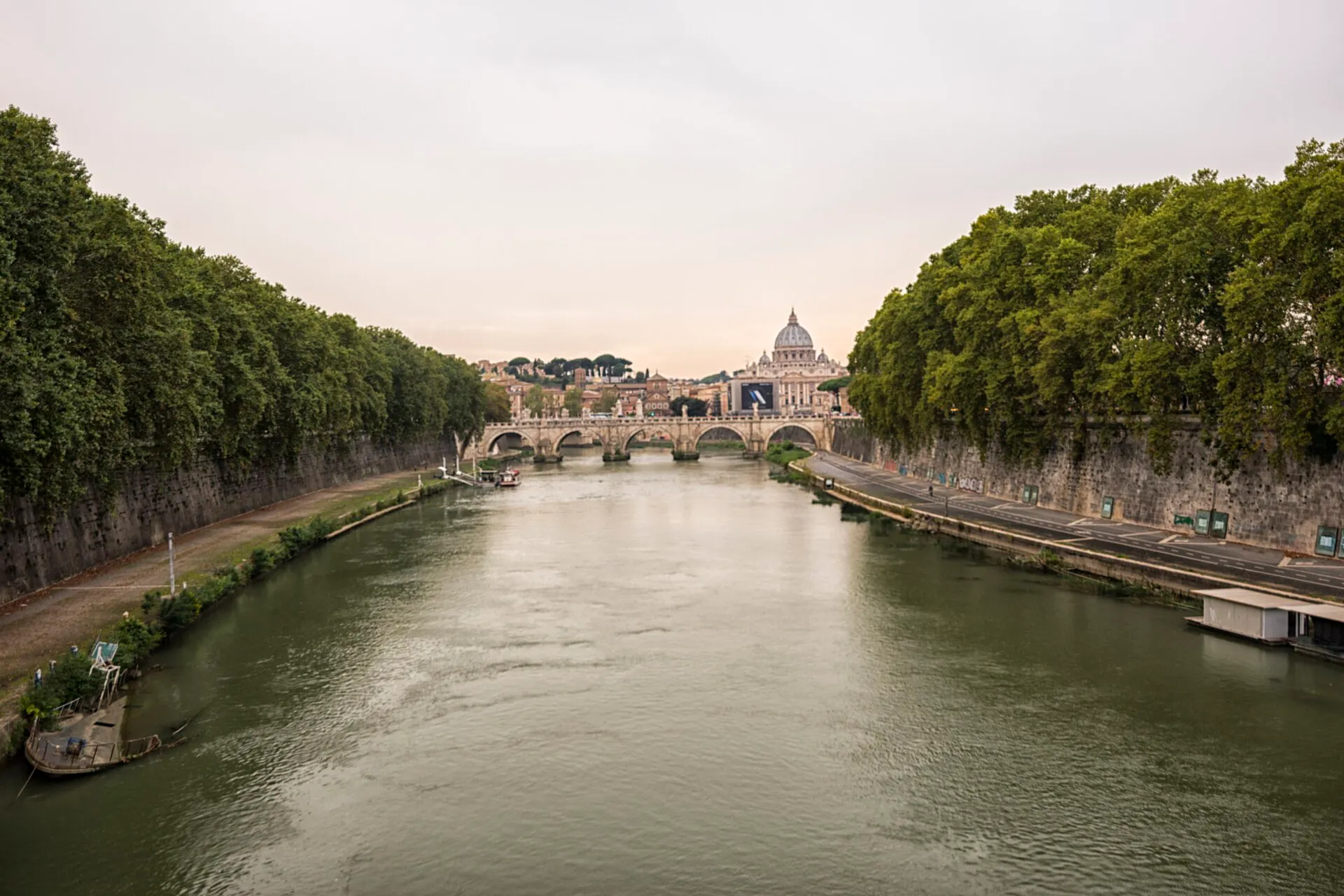
2,000 years of clues, free fountains and the best pasta of your life.
Explore Rome →
Italy
Florence
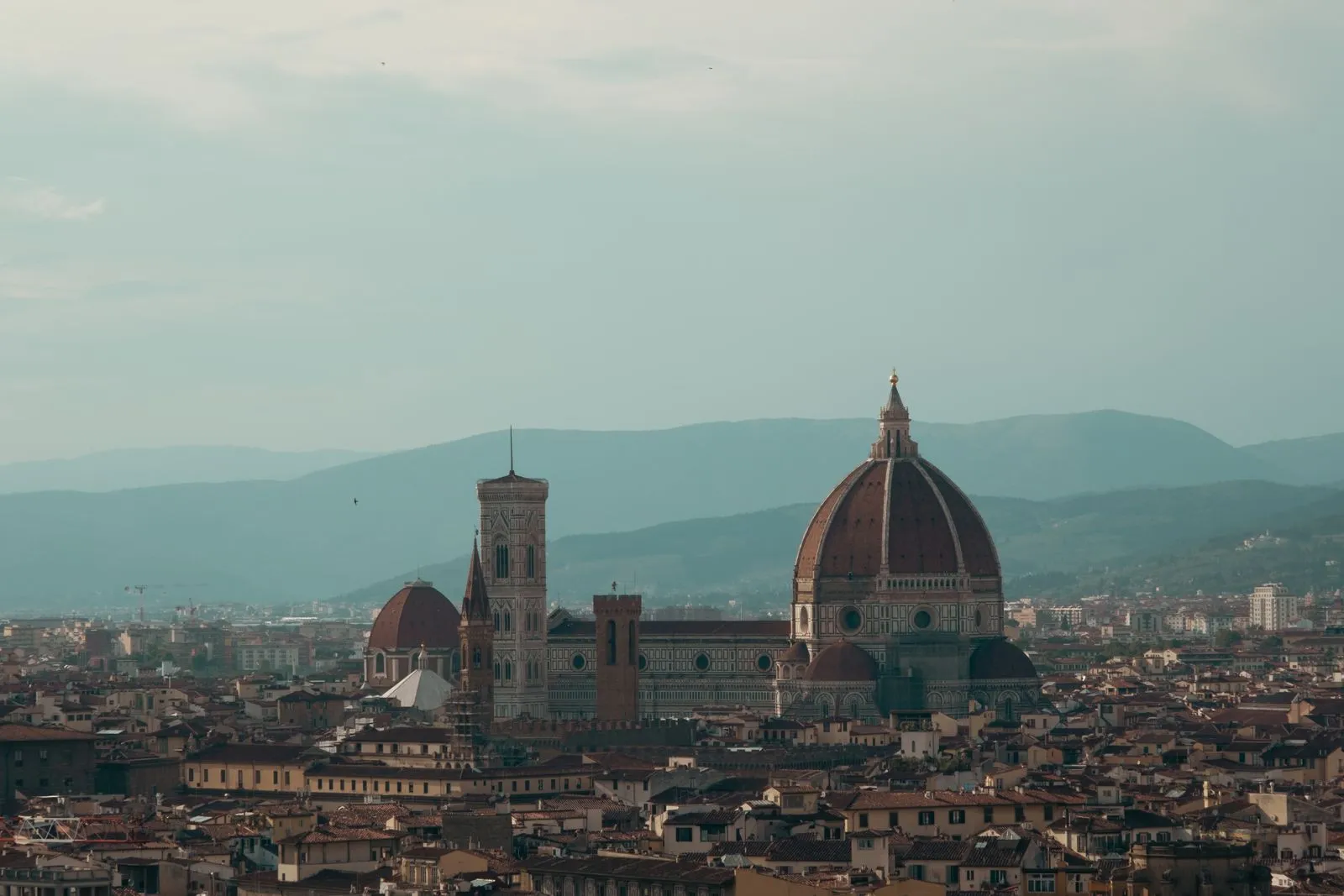
Brunelleschi’s dome, Michelangelo’s David and the Renaissance on foot.
Explore Florence →
Rome
Rome is a whole open-air museum. The Colosseum, the Vatican Museums and Galleria Borghese all need booked time slots, so get those sorted first. Then walk: piazzas, churches and trattorias are packed close together in the historic centre.
If you only have one day in Rome
- Colosseum: The great amphitheatre of ancient Rome, finished in 80 AD. Standing inside is one of travel’s big moments.
- Pantheon: A nearly 2,000-year-old temple with the world’s largest unreinforced concrete dome and an open oculus to the sky.
- Trevi Fountain: The most famous fountain in the world – throw a coin over your shoulder to make sure you return to Rome.
- Best time to go
- April–June and September–October. July–August is very hot; winter is quieter and mild.
- From the airport
- From Fiumicino: the non-stop Leonardo Express train to Roma Termini takes about 30 minutes, or take a regional train. Official white taxis charge a fixed fare to the centre (check the current rate).
Florence
Florence is the cradle of the Renaissance and its historic centre is a UNESCO World Heritage Site. The centre is compact and mostly flat: the Duomo, Piazza della Signoria, the Uffizi and the Ponte Vecchio are all within a 15-minute walk of each other. The big museums need booked time slots, so plan ahead. Three days is enough for the highlights and a view from Piazzale Michelangelo.
If you only have one day in Florence
- Duomo & Brunelleschi’s Dome: Florence Cathedral (Santa Maria del Fiore) is crowned by Filippo Brunelleschi’s brick dome, a feat of Renaissance engineering. The square also has Giotto’s Bell Tower and the Baptistery with its bronze doors.
- Uffizi Gallery: One of the world’s great art museums, in offices built for the Medici by Giorgio Vasari. It has Botticelli’s Birth of Venus and Primavera, plus works by Leonardo, Michelangelo, Raphael and Caravaggio.
- Piazzale Michelangelo: The classic panorama of Florence: the dome, the Palazzo Vecchio tower and the Arno bridges, with another bronze copy of David in the middle of the square.
- Best time to go
- April–June and September–October. July and August are hot and crowded; winter is quieter, with shorter opening hours at some sights.
- From the airport
- Tram T2 runs from the airport to the centre in about 20 minutes (Alamanni, by Santa Maria Novella station). A ticket costs €2.00 and is valid for 90 minutes on trams and city buses (2026, check gestramvia.it).
Italy travel FAQ
Which city in Italy should I visit first?
Rome: 2,000 years of clues, free fountains and the best pasta of your life. Florence: Brunelleschi’s dome, Michelangelo’s David and the Renaissance on foot.
Do I need to book museums in Italy?
For the big ones (the Vatican Museums, the Colosseum, the Uffizi, the Accademia), booking a time slot in advance is strongly recommended.
Travelling to Italy?
Heads-up: this page contains affiliate links. If you book or buy through them we may earn a small commission at no extra cost to you. It never changes our picks. How we make money.