
Europe
Spain travel guide
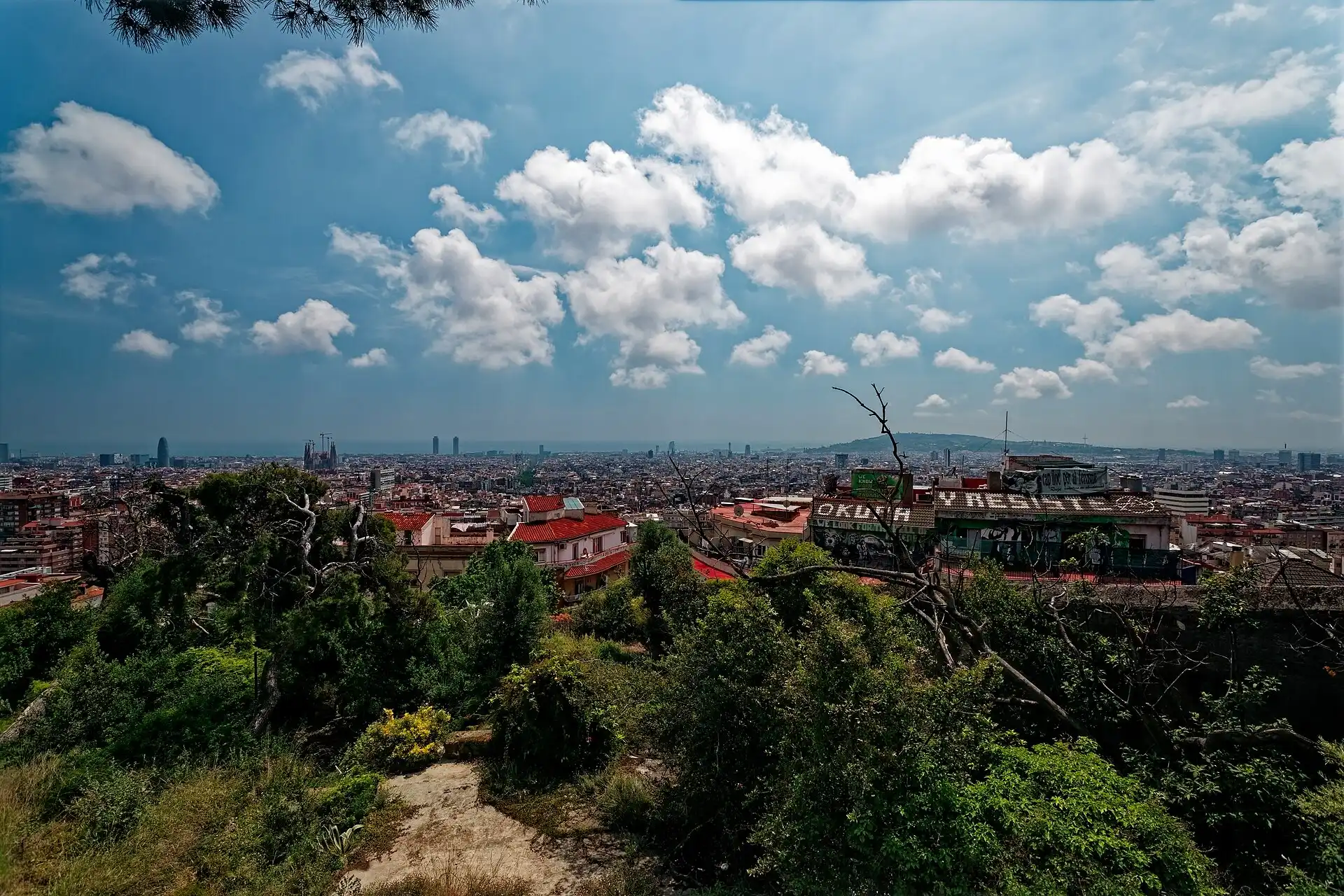
Spain combines big-city culture with beaches and a long, sunny season. Each city has its own character: Barcelona has Gaudí, Seville has Moorish palaces and flamenco, and Valencia has its old town, the City of Arts and Sciences, and paella.
Photo: Txllxt TxllxT / Wikimedia Commons · CC BY-SA 4.0
Spain at a glance
- Currency
- Euro (EUR). Cards are widely accepted.
- Language
- Catalan and Spanish. English is common in tourist areas.
- Plugs
- Type C/F, 230 V.
- Emergency number
- 112
- Entry
- Part of the Schengen area. Check official entry rules for your passport before you travel.
- Getting around
- High-speed trains link many Spanish cities, often via Madrid. Check renfe.com and the low-cost operators for routes and fares.
City guides for Spain
Spain
Barcelona
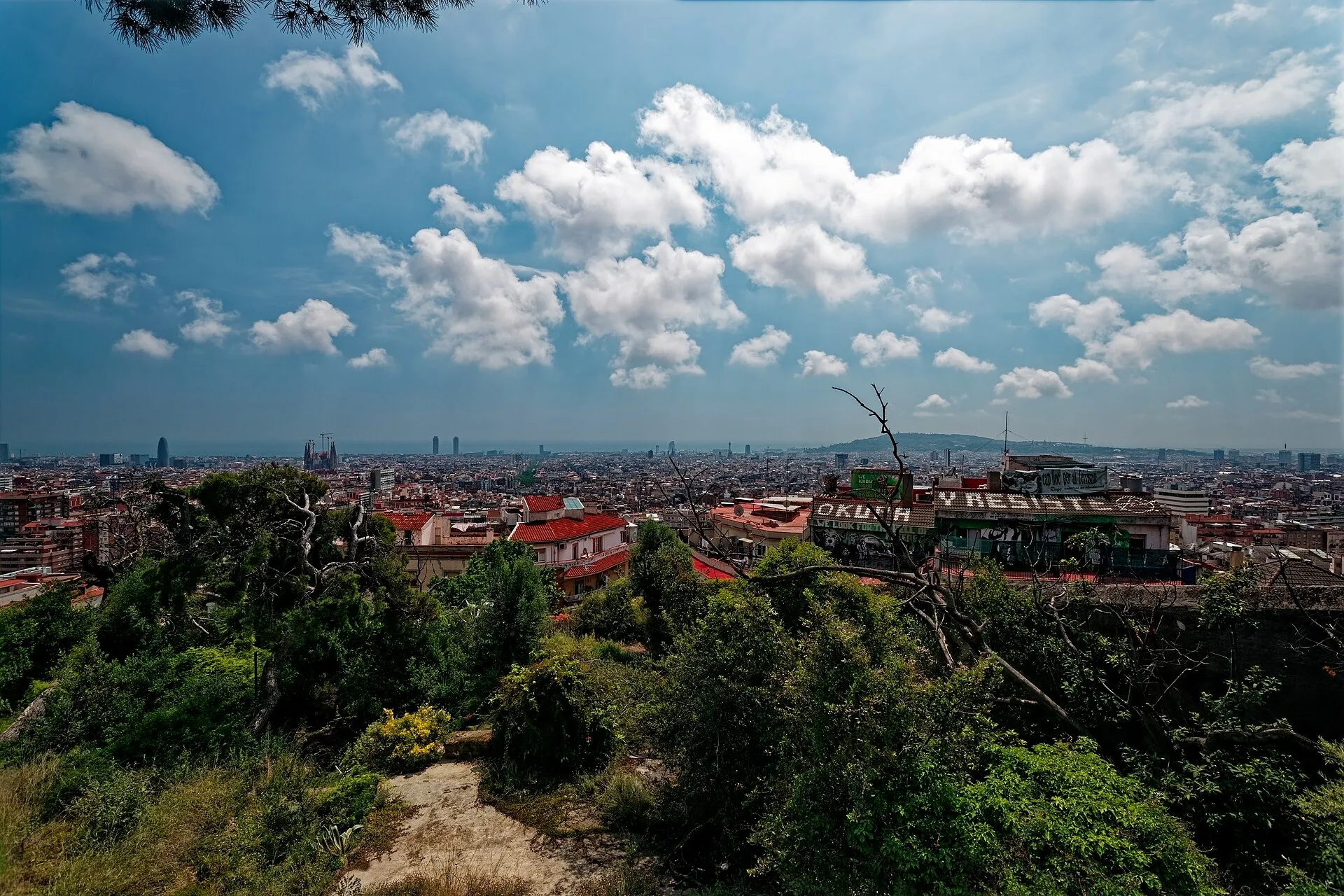
Gaudí puzzles, Gothic lanes and a beach at the end of the metro.
Explore Barcelona →
Spain
Seville
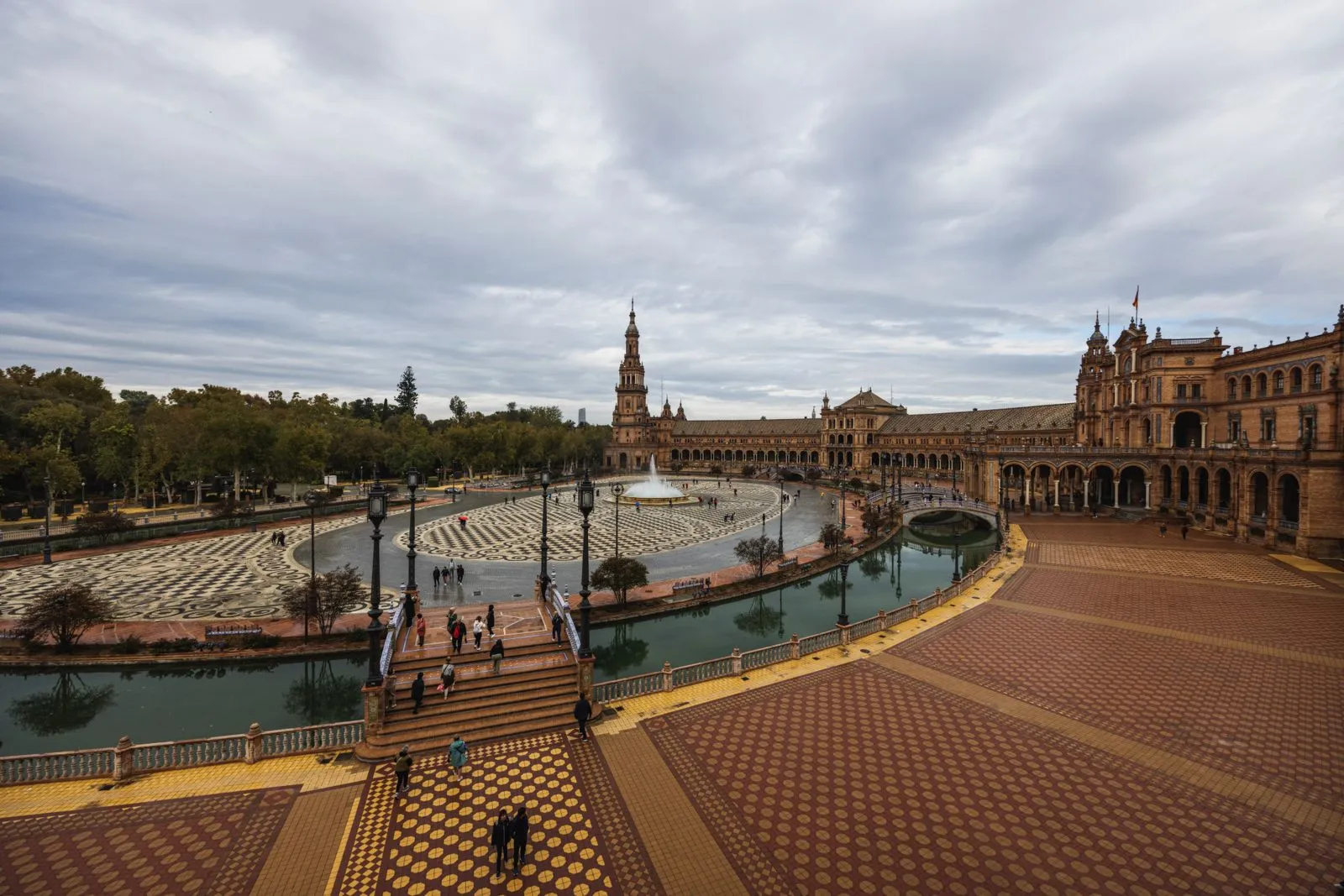
Moorish palaces, the world’s largest Gothic cathedral, tiled plazas and flamenco nights.
Explore Seville →
Spain
Valencia
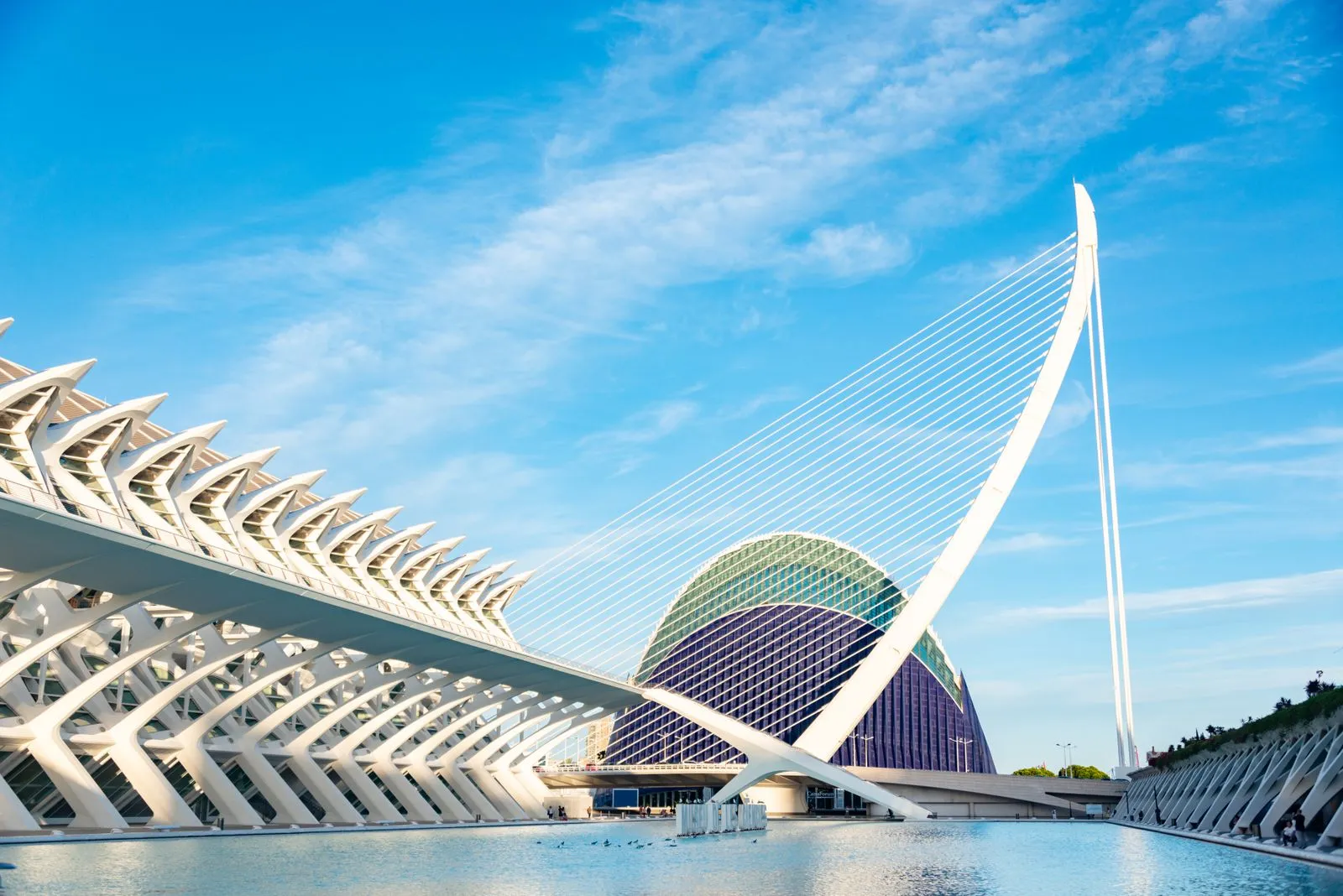
A Gothic silk exchange, the world’s oldest court, a park in an old riverbed and the birthplace of paella.
Explore Valencia →
Barcelona
Barcelona mixes Gaudí’s architecture, medieval lanes, beaches and late dinners. The big sights (Sagrada Família, Park Güell, Casa Batlló) use timed tickets, so book them first. Then let the city’s rhythm take over: long lunches and evenings that start late.
If you only have one day in Barcelona
- Sagrada Família: Gaudí’s unfinished basilica – work started in 1882 – with forest-like columns and stained glass that floods the interior with colour.
- Gothic Quarter (Barri Gòtic): Roman walls, medieval squares and Barcelona Cathedral in a tangle of narrow lanes, best explored without a map.
- Barceloneta beach: A city beach a metro ride from the old town, with a boardwalk, chiringuitos and seafood restaurants.
- Best time to go
- May–June and September–October: warm sea and fewer crowds than July–August.
- From the airport
- The Aerobús shuttle, the R2 Nord train (Terminal 2), or metro L9 Sud (which has a special airport fare). Check current fares.
Seville
Seville’s flat, compact centre holds three UNESCO World Heritage sites side by side: the Cathedral with the Giralda, the Real Alcázar and the Archive of the Indies. Around them are the lanes of Santa Cruz, the tiled half-circle of Plaza de España and, across the river, Triana. Book the Alcázar and the cathedral ahead in spring, and in summer plan shaded or indoor visits for midday. Three days covers the highlights; add a fourth for Córdoba.
If you only have one day in Seville
- Real Alcázar: A royal palace still used by the Spanish royal family. King Pedro I built its core in Mudéjar style in the 1360s, with carved stucco, tiles and courtyards. The gardens are huge and shady.
- Cathedral & Giralda: The largest Gothic cathedral in the world, with the tomb of Christopher Columbus. You can climb the Giralda, the former minaret: 35 ramps lead up instead of stairs.
- Plaza de España: A vast half-circle of brick and tiles built by Aníbal González for the 1929 Ibero-American Exposition. Each tiled alcove represents a Spanish province, and four bridges cross the moat. It was a film location for Lawrence of Arabia and Star Wars: Episode II.
- Best time to go
- March–May and October–November. July and August are extremely hot; sightsee early and late. Spring brings Holy Week and the April Fair, when hotels fill up and prices rise.
- From the airport
- The EA airport bus runs to the centre and Plaza de Armas: €6 single, €8 return (Aena, 2026). The trip takes about 35–45 minutes (check).
Valencia
Valencia packs a compact, flat old town (the Ciutat Vella) with the cathedral and its Micalet tower, the UNESCO-listed Silk Exchange and the Art Nouveau Central Market. A 1957 flood led the river Turia to be rerouted, and its old bed is now a park running about 8.5 km to Calatrava’s City of Arts and Sciences. Add a beach afternoon and a paella by the Albufera lagoon. Three days covers it at an easy pace.
If you only have one day in Valencia
- Valencia Cathedral & the Micalet: Consecrated in 1238 on the site of an older mosque, the cathedral is mainly Valencian Gothic, with Romanesque and Baroque parts. A chapel holds the Holy Chalice, which many believe is the Holy Grail; King Alfonso V gave it to the cathedral in 1436. Climb the Micalet bell tower (207 steps, no lift) for the best view of the old town.
- La Lonja de la Seda (Silk Exchange): A masterpiece of late Valencian Gothic, built between 1482 and 1533 for the silk trade. Its Hall of Columns has twisted pillars rising like palm trees. It has been a UNESCO World Heritage Site since 1996.
- Mercado Central: One of Europe’s largest markets, covering more than 8,000 m², built in Valencian Art Nouveau style between 1914 and 1928. Iron, glass, tiles and domes over hundreds of fresh-food stalls.
- Best time to go
- April–June and September–October. July and August are hot and busy. The Fallas festival in mid-March is spectacular but crowded, and hotel prices rise.
- From the airport
- Metro lines 3 and 5 run to the centre (Xàtiva or Colón) in about 20–25 minutes. A single AB+ ticket costs €4.80, plus €1.10 for the reusable card (metrovalencia.es, 2026).
Spain travel FAQ
Which city in Spain should I visit first?
Barcelona: Gaudí puzzles, Gothic lanes and a beach at the end of the metro. Seville: Moorish palaces, the world’s largest Gothic cathedral, tiled plazas and flamenco nights. Valencia: A Gothic silk exchange, the world’s oldest court, a park in an old riverbed and the birthplace of paella.
When is the best time to visit Spain?
Spring and autumn are the most comfortable for city trips. Summer is hot, especially inland and in Andalusia.
Do people eat late in Spain?
Yes, lunch and dinner are typically later than in northern Europe, so plan for that when you book a table.
Travelling to Spain?
Heads-up: this page contains affiliate links. If you book or buy through them we may earn a small commission at no extra cost to you. It never changes our picks. How we make money.