
Europe
Portugal travel guide
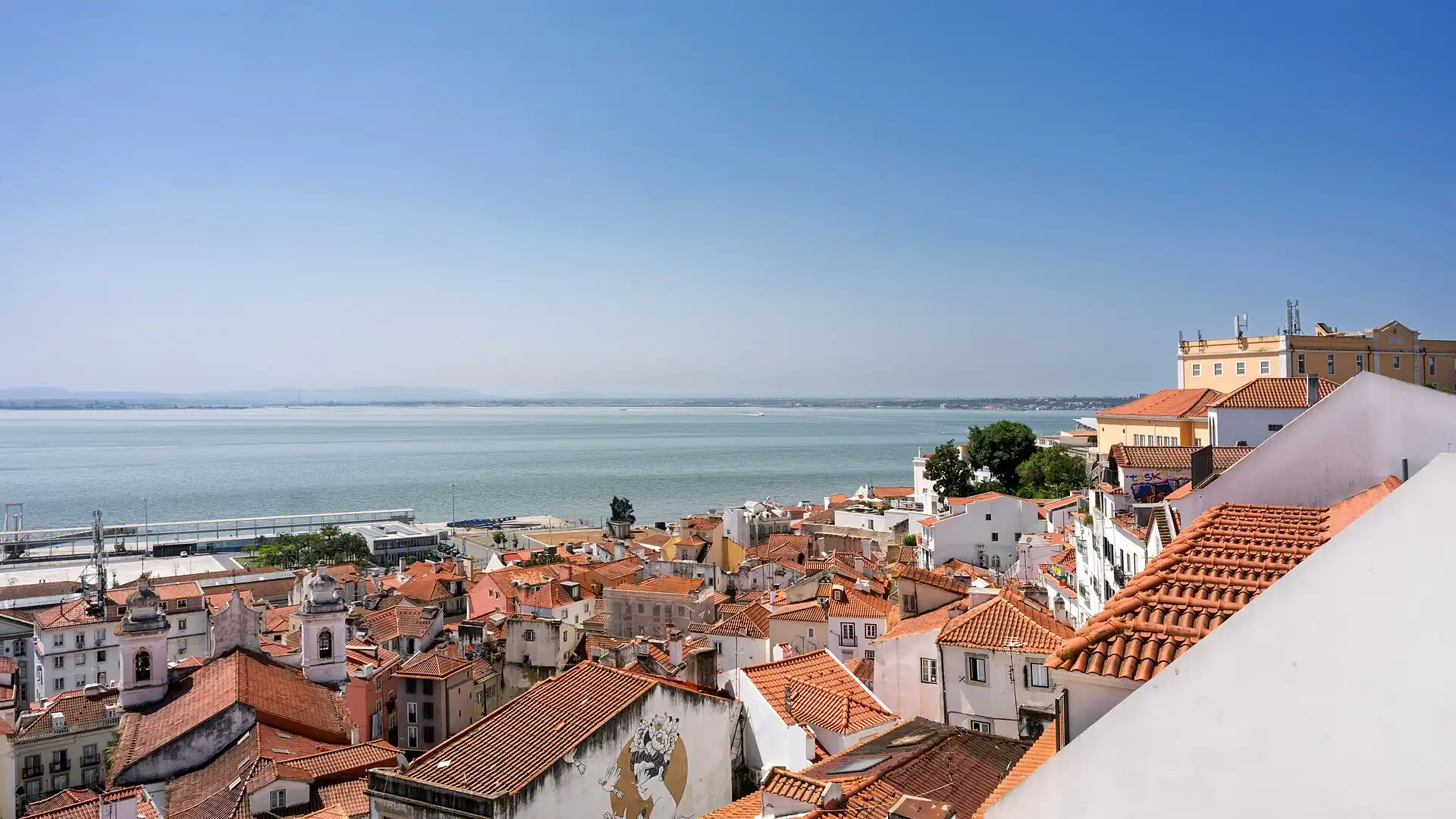
Portugal is compact, sunny and good value for Western Europe. Lisbon and Porto are both hilly riverside cities with tiled façades and viewpoints, and a fast train links the two in about three hours.
Photo: Dale Cruse - 10M views from San Francisco, CA, USA / Wikimedia Commons · CC BY 4.0
Portugal at a glance
- Currency
- Euro (EUR). Cards are widely accepted. Keep a little cash for small cafés.
- Language
- Portuguese. English is common in tourist areas.
- Plugs
- Type C/F, 230 V.
- Emergency number
- 112
- Entry
- Part of the Schengen area. Check official entry rules for your passport before you travel.
- Getting around
- CP trains (Alfa Pendular and Intercidades) connect Lisbon and Porto. Book on cp.pt for the best fares.
City guides for Portugal
Portugal
Lisbon
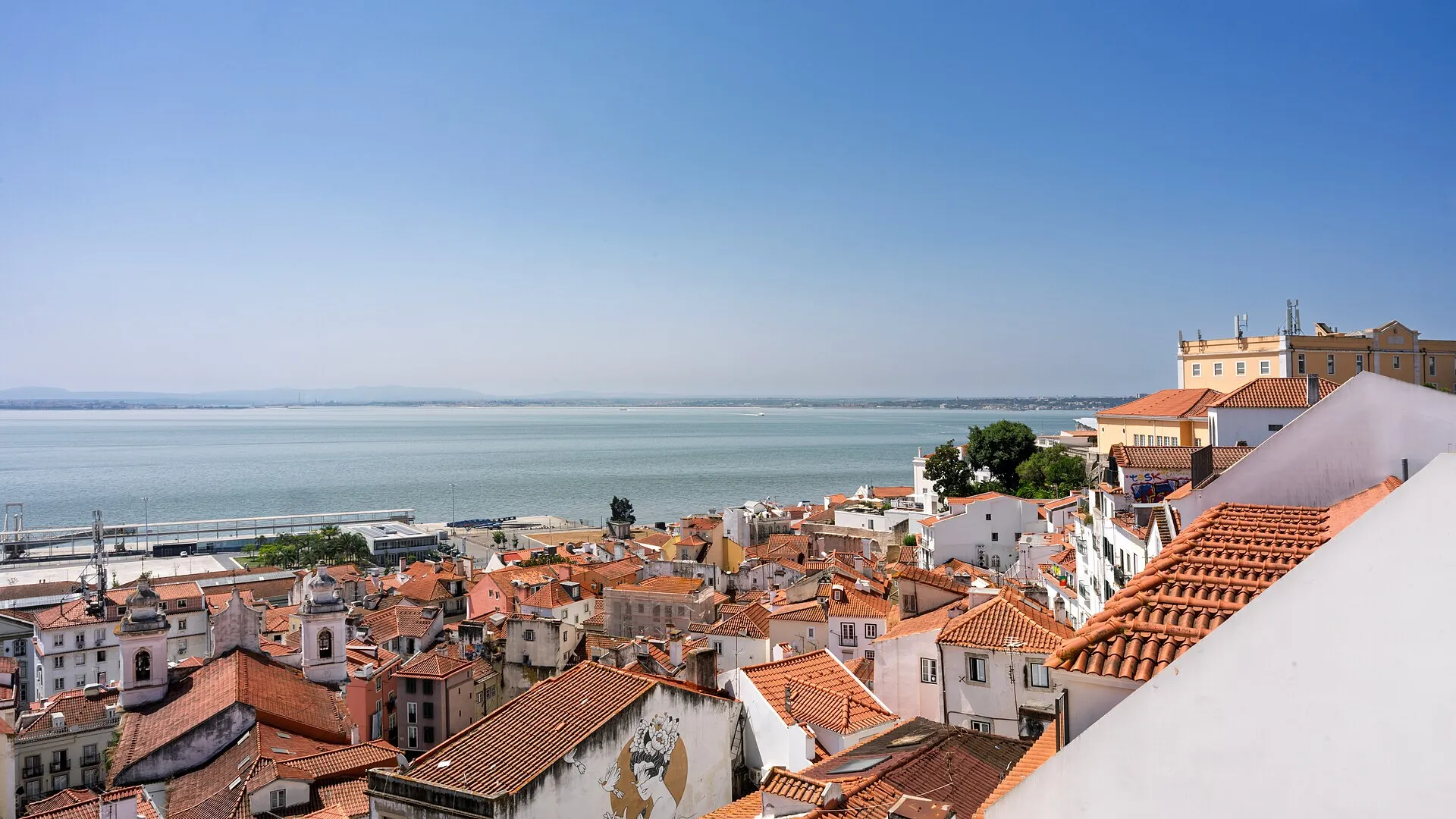
Seven hills, yellow trams and custard tarts worth the climb.
Explore Lisbon →
Portugal
Porto
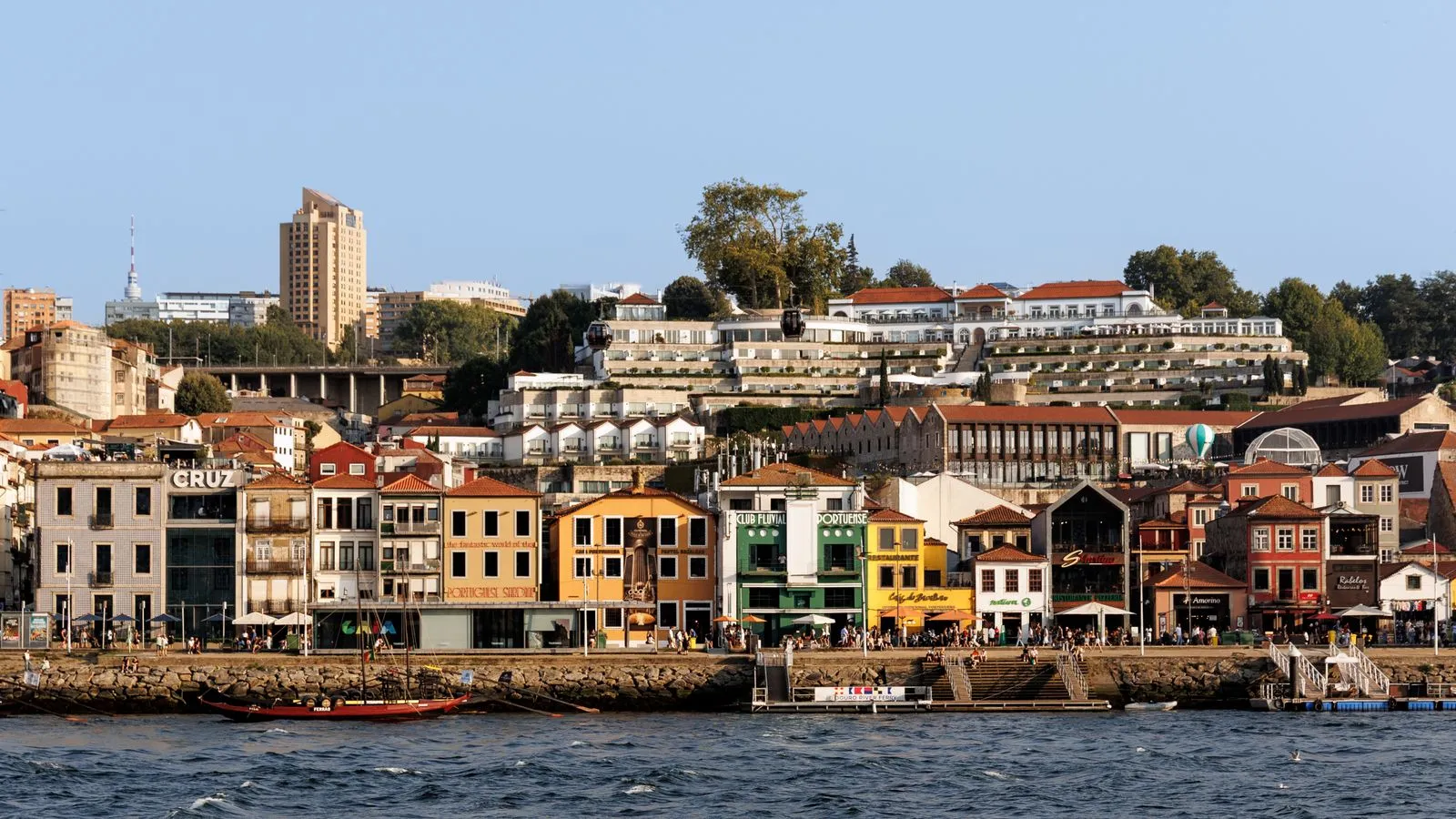
Blue tiles, port cellars and a riverside that glows at sunset.
Explore Porto →
Lisbon
Lisbon is a city of viewpoints: every hill you climb pays you back with a miradouro, a tiny café or a view over the Tagus. Wear shoes with grip (the cobbles are polished smooth), plan Belém and Sintra as half or full days, and leave your evenings free for fado in Alfama.
If you only have one day in Lisbon
- Alfama & a fado night: Lisbon’s oldest district, a maze of alleys, laundry lines and tiny squares. In the evening its small fado houses fill with Portugal’s soulful music.
- Castelo de São Jorge: A Moorish-era castle on the highest hill of the old centre, with ramparts, gardens, peacocks and sweeping views over the rooftops and the river.
- Belém Tower: The 16th-century riverside fortress is a symbol of Portugal’s Age of Discovery and a UNESCO World Heritage Site, together with the nearby Jerónimos Monastery.
- Best time to go
- March–June and September–October: warm, sunny and less crowded than July–August.
- From the airport
- The Metro Red Line starts at the airport; change lines for the centre. Taxis and ride-hailing are also quick. Check current fares.
Porto
Porto is a compact, very hilly city that you can see well in two or three days on foot. Spend one day in the old centre (São Bento, the Sé, Ribeira and Clérigos), cross the Dom Luís I Bridge to the port cellars in Gaia, and keep a third day for Serralves, the sea at Foz or the Douro Valley. Book Livraria Lello and any cellar tour ahead, and wear shoes with grip.
If you only have one day in Porto
- São Bento Station: A working railway station, opened in 1916 on the site of a former convent, with a hall covered in blue-and-white tile panels by Jorge Colaço showing scenes from Portuguese history.
- Ribeira riverside: Porto’s postcard: tall, colourful houses stacked above the Douro, café terraces and traditional rabelo boats. The historic centre is a UNESCO World Heritage Site.
- Dom Luís I Bridge: The two-deck iron arch bridge, inaugurated in 1886 and designed by Théophile Seyrig. Walk the upper deck (shared with the metro) for a dizzy view over Ribeira.
- Best time to go
- April–June and September–October: mild and sunny. July–August is busiest; winter is wet but quiet.
- From the airport
- Metro line E (violet) runs from the airport to Trindade in about 27 minutes. You need a rechargeable Andante card (€0.60) plus a Z4 ticket (€2.30, checked October 2026). Validate before every trip.
Portugal travel FAQ
Which city in Portugal should I visit first?
Lisbon: Seven hills, yellow trams and custard tarts worth the climb. Porto: Blue tiles, port cellars and a riverside that glows at sunset.
Lisbon or Porto first?
Lisbon is bigger, with more sights and day trips (Sintra, Belém). Porto is smaller and walkable, with port wine cellars across the river. With a week, do both.
Travelling to Portugal?
Heads-up: this page contains affiliate links. If you book or buy through them we may earn a small commission at no extra cost to you. It never changes our picks. How we make money.