Skip to content
Pack & Quest
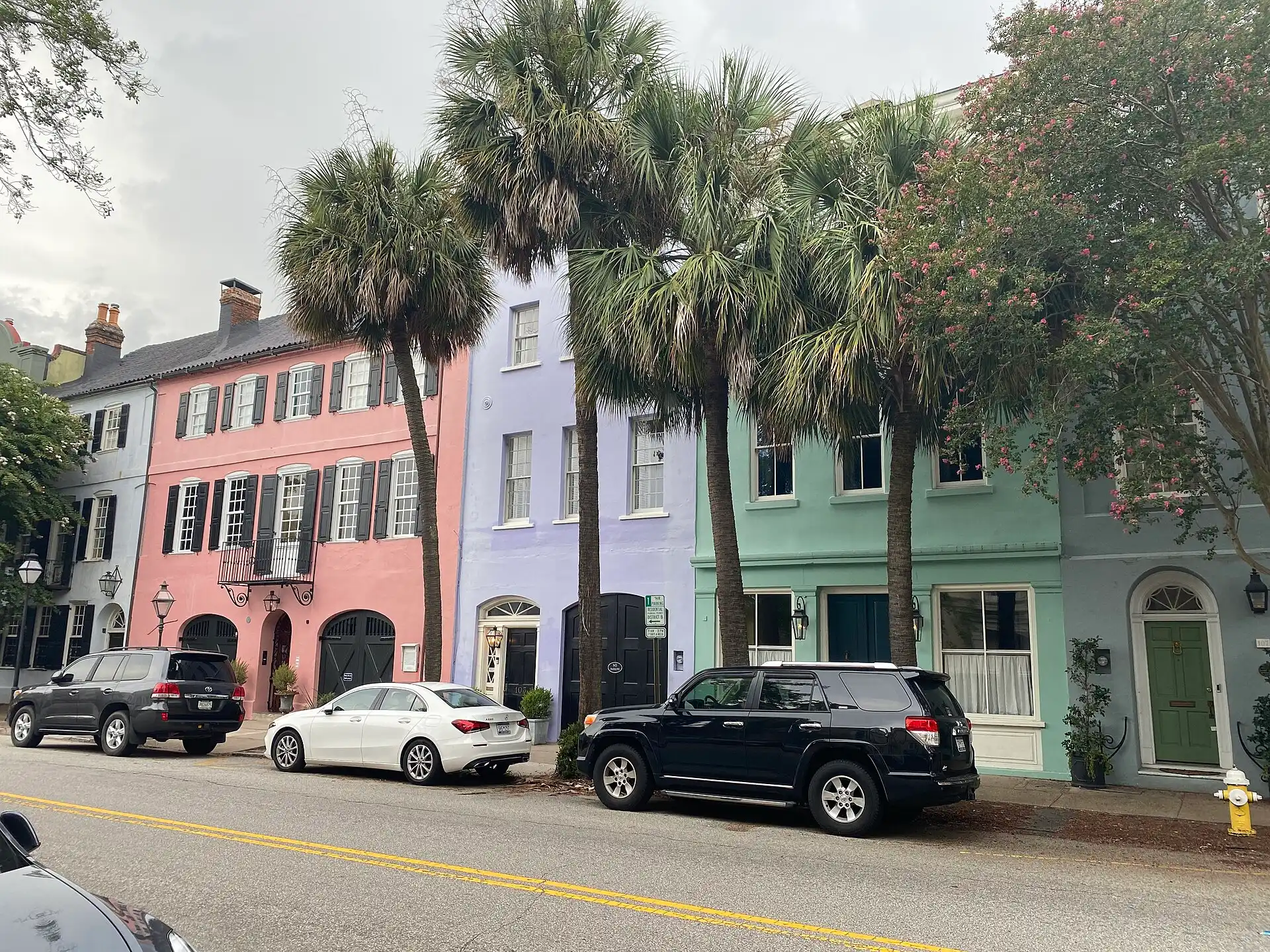
Rainbow Row, the row of pastel houses on East Bay Street in Charleston

Updated 2026

12 best things to do in Charleston

Pastel houses, church steeples, a harbour fort and some of America's hardest history.

Heads-up: this page contains affiliate links. If you book or buy through them we may earn a small commission at no extra cost to you. It never changes our picks. How we make money.

Walk first. Rainbow Row, the Battery and the waterfront are free and take a morning. Then pick one house museum and the IAAM, and give Fort Sumter half a day if the Civil War interests you.

Explore Charleston like a game

Charleston City Quest

Follow 12 quest stops from the City Market past the old churches, the Old Exchange and Rainbow Row to the Battery and the Pineapple Fountain, with riddles, photo missions, a kids' mode and a final quiz.

A self-guided walking treasure hunt as a digital download. Print it or keep it on your phone · €9.99.

See the Charleston quest
1 2 3 4 5 6 7 8 9 10 11 Loading map… · tap a number to see what it is
Things to do in Charleston: tap a number to see what it is, then open it in Google Maps. Out of town (not on the map): 12. Middleton Place.

Tickets & tours in Charleston: compare before you buy

Official sites are often cheapest for single museums; resellers are handy for skip-the-line combos, tours and free cancellation.

The Battery and White Point Garden

#1

The Battery and White Point Garden

South of Broad

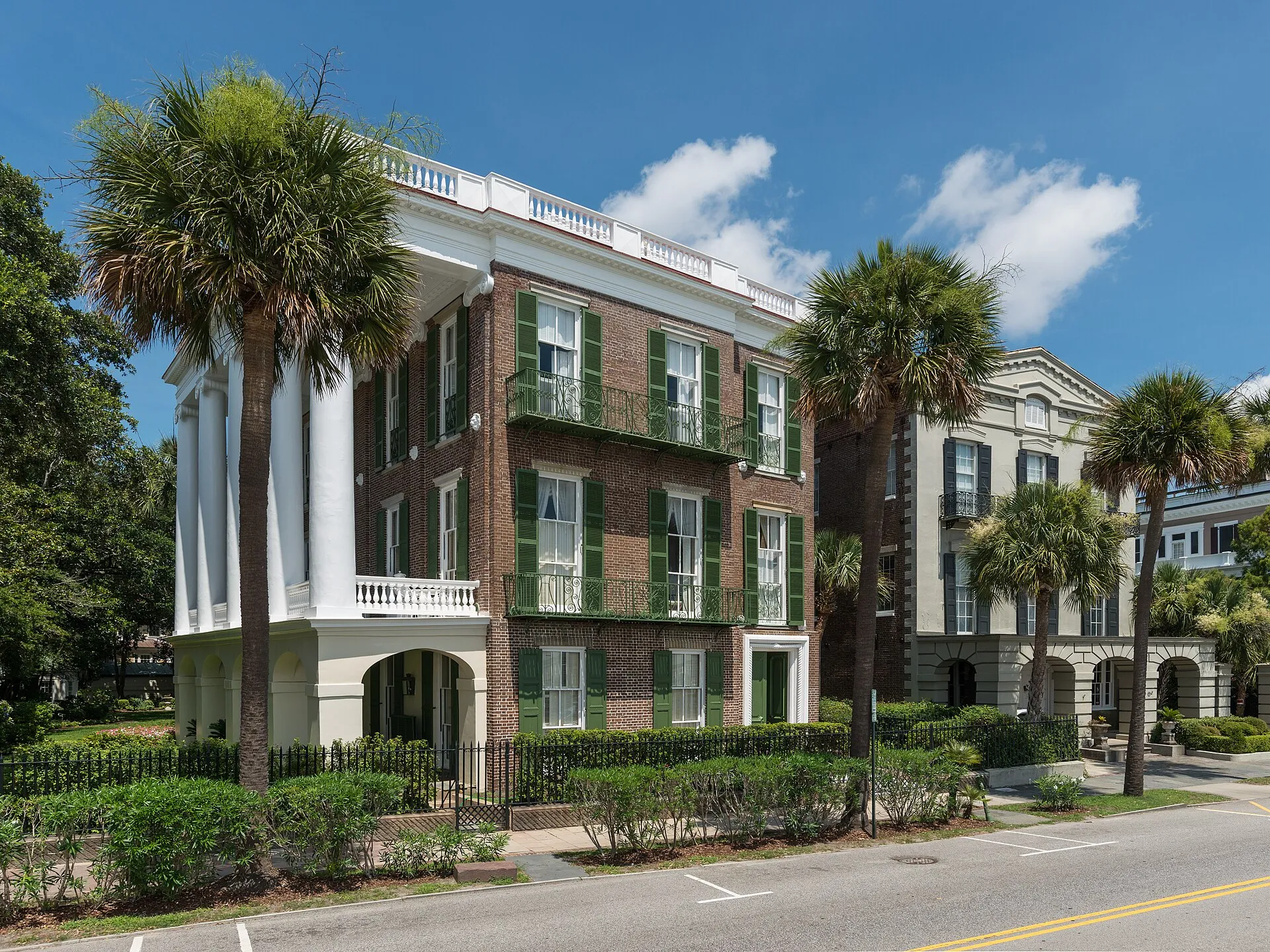
The southern tip of the peninsula, where the Ashley and Cooper rivers meet. A seawall promenade runs along East Battery past a row of big antebellum houses, and White Point Garden behind it has been a public park since 1837, full of live oaks, cannons and monuments. Out in the harbour you can see Fort Sumter. In 1718 the pirate Stede Bonnet and many of his crew were hanged near here.

Cost
Free
Time needed
45 minutes to an hour
Best time
Early morning or late afternoon, when the light hits the houses

Insider tip: Walk the high seawall on East Battery, not the street below. You get the harbour on one side and the mansions on the other.

Skip it if: Hard to skip: it's on the way to almost everything South of Broad.
Rainbow Row

#2

Rainbow Row

East Bay Street

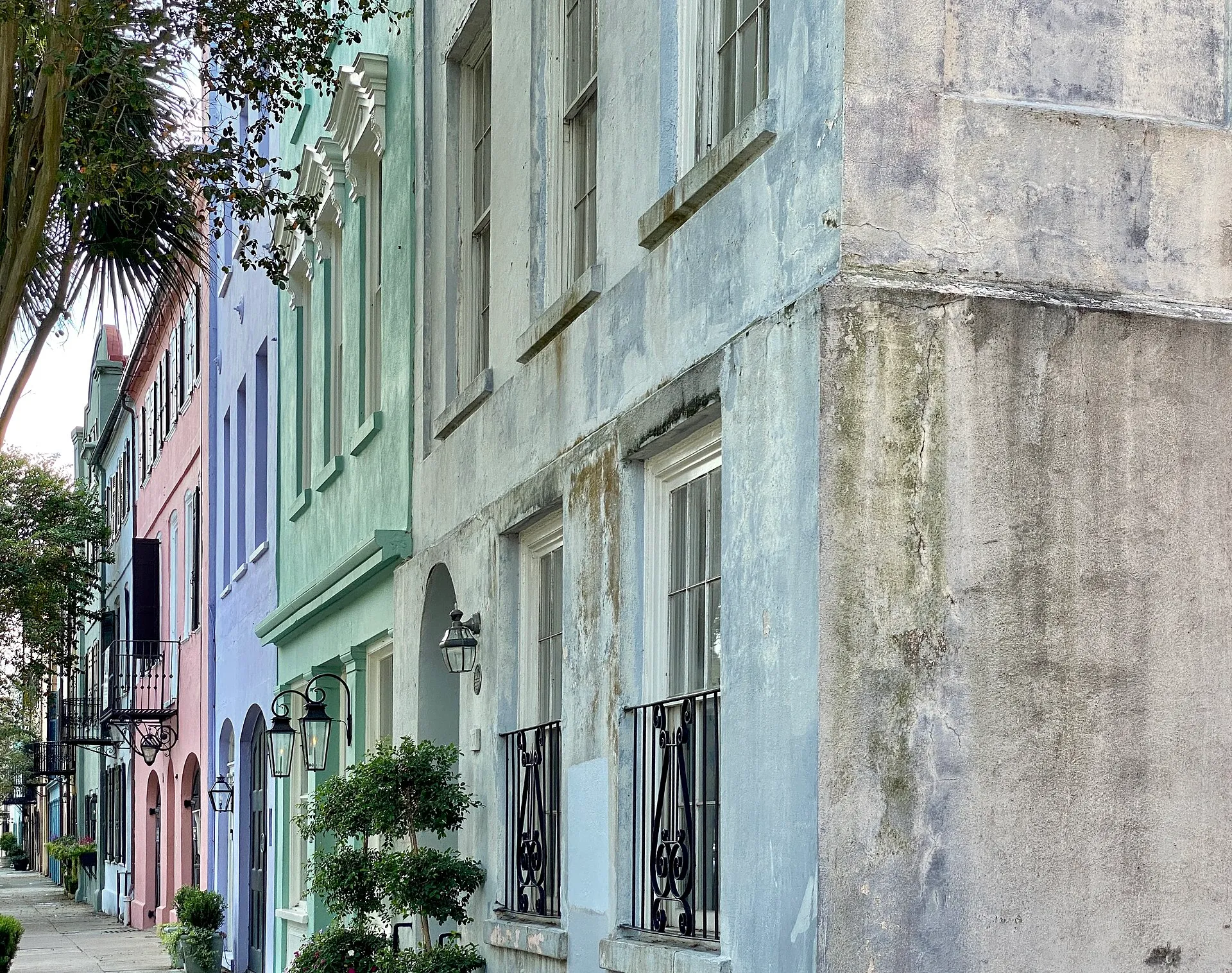
Thirteen pastel houses on East Bay Street, most of them built by merchants in the 18th century, with shops downstairs and living space above. By the 1920s the block was run down. Dorothy Porcher Legge bought two of the houses in 1931 and painted them pink, and the neighbours followed with their own colours. It's probably the most photographed street in Charleston, and it's only a couple of minutes' walk.

Cost
Free (private homes, view from the street)
Time needed
15–20 minutes
Best time
Morning, when the sun is on the fronts

Insider tip: Stand on the opposite side of East Bay Street to get all 13 in one frame. People live here, so stay off the steps.

Skip it if: You can't really: it's on the walk from the waterfront to the Battery.

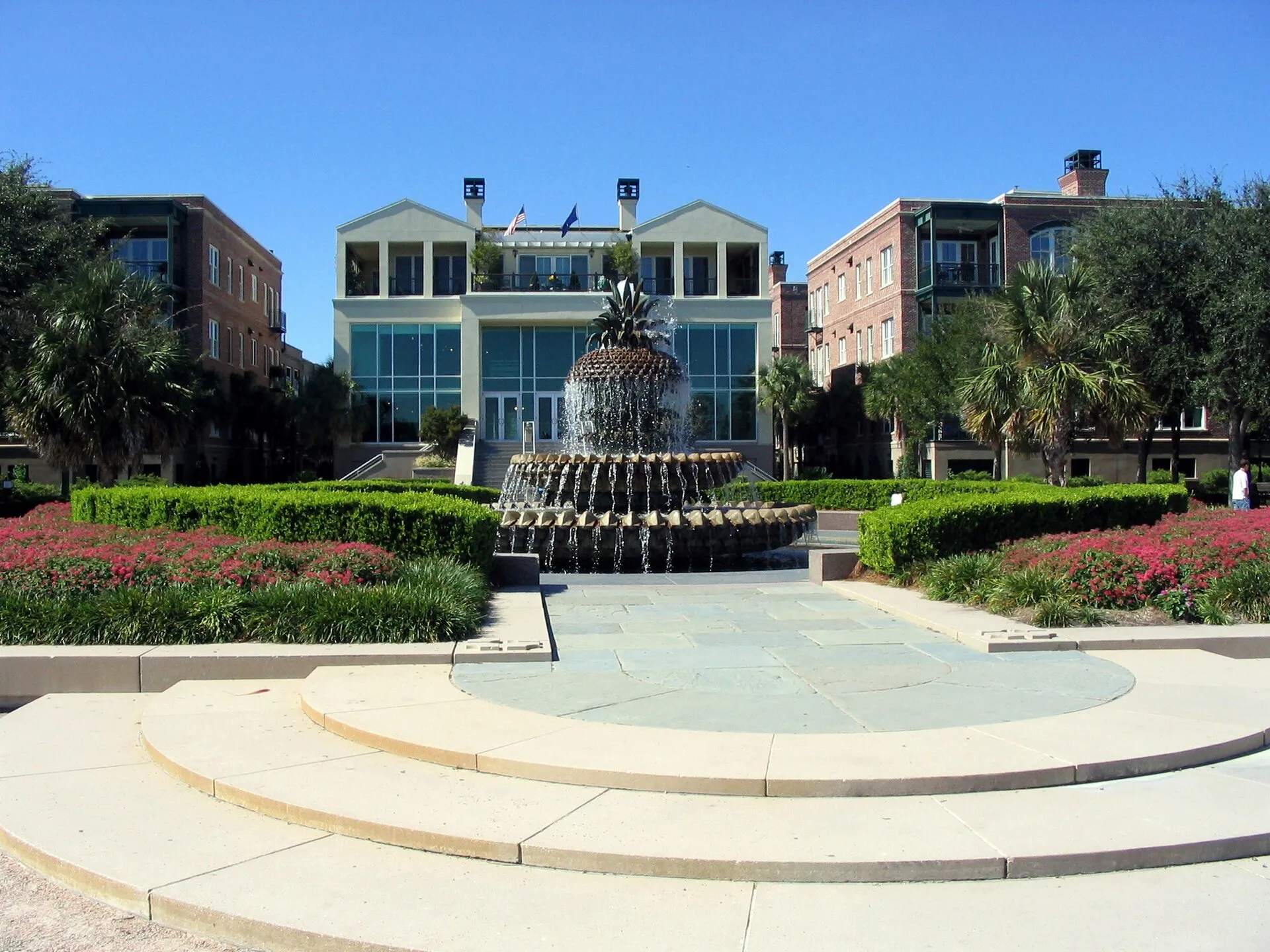
Joe Riley Waterfront Park and the Pineapple Fountain

#3

Joe Riley Waterfront Park and the Pineapple Fountain

French Quarter waterfront

A long green strip along the Cooper River, opened in 1990 and named after Joseph P. Riley Jr., who was mayor for 40 years. There's a pier with porch swings, lawns, fountains and harbour views towards Patriots Point. The Pineapple Fountain is the one everyone photographs; the pineapple has long been a sign of welcome in Charleston.

Cost
Free
Time needed
30 minutes, longer on a swing
Best time
Sunset, or early morning before the heat

Insider tip: Grab a swing at the end of the pier early in the evening. They fill up fast on weekends.

Skip it if: Tight on time? Combine it with Rainbow Row, two blocks south.

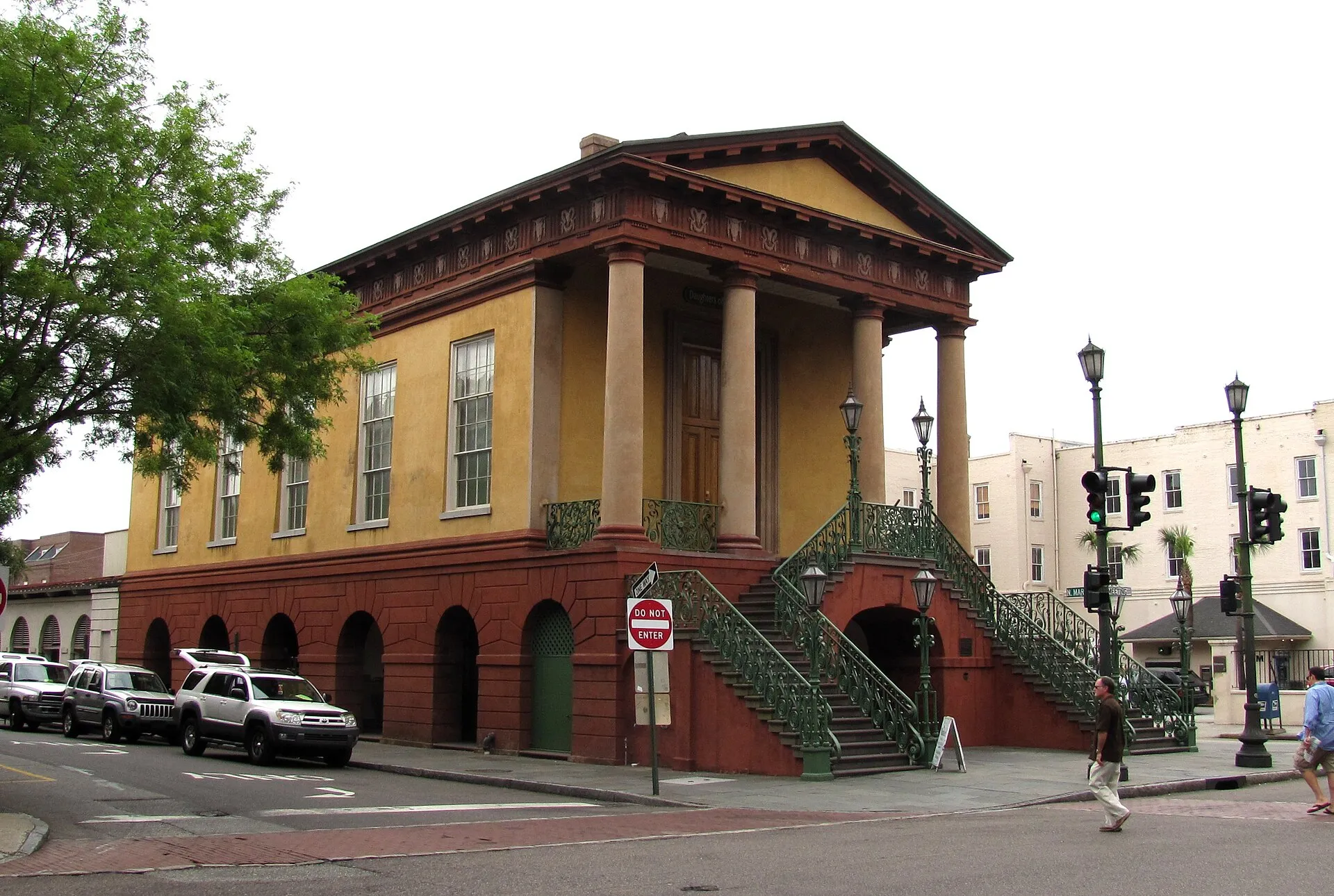
Charleston City Market

#4

Charleston City Market

Market Street

Four blocks of open-sided market sheds running from Meeting Street down to East Bay, behind the columned Market Hall of 1841. The Pinckney family gave the land for a public market in 1788. Today it's food stalls, souvenirs and, most interesting, Gullah weavers making and selling sweetgrass baskets, a craft brought from West Africa. It was never a slave market, despite what you might hear; that was on Chalmers Street.

Cost
Free to walk; baskets cost real money because they take days to make
Time needed
30–60 minutes
Best time
Morning, before the crowds; the night market runs on some weekend evenings (check)

Insider tip: Ask a weaver how long a basket took before you haggle. Most of the sheds' souvenirs you can find anywhere; the baskets you can't.

Skip it if: You hate souvenir stalls. Then walk through once for the baskets and keep going.

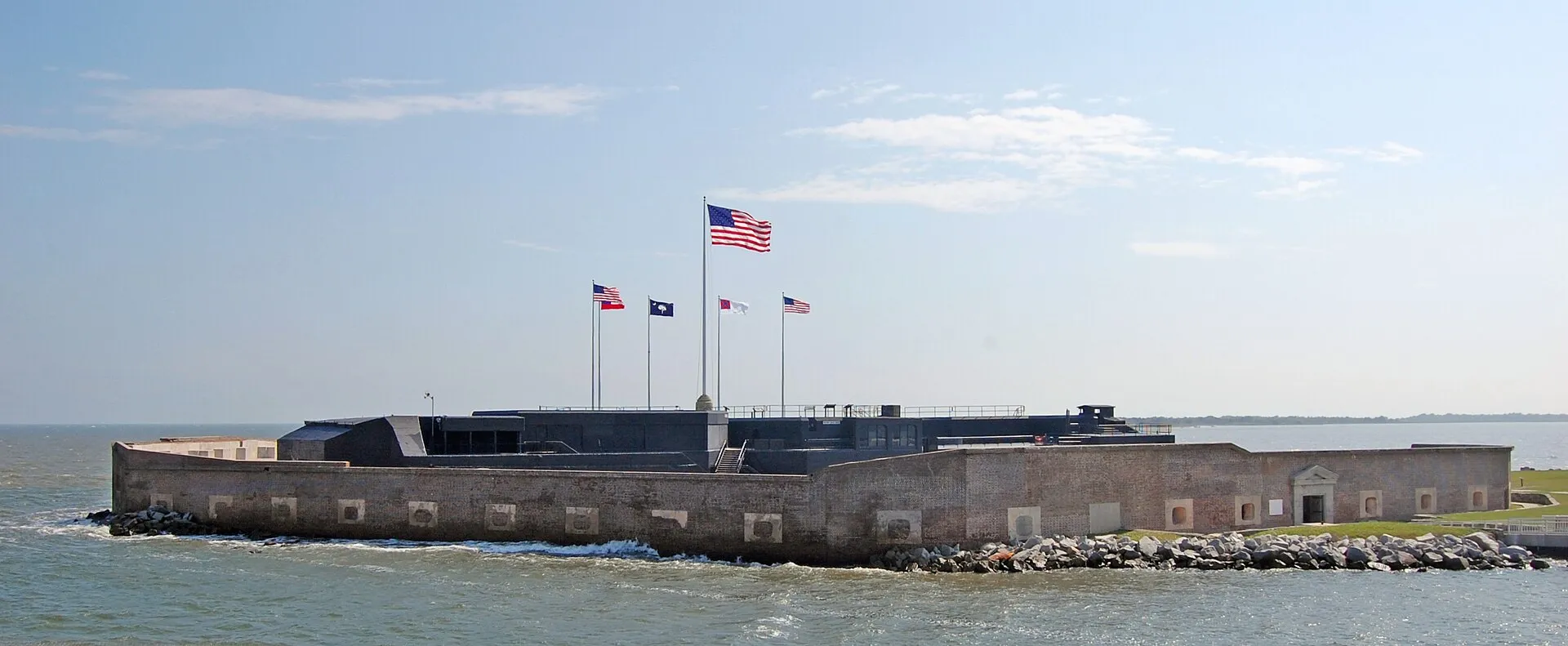
Fort Sumter

#5

Fort Sumter

Charleston Harbor (by ferry)

The Civil War started here: Confederate guns opened fire on the Union-held fort on 12 April 1861. The fort is a national monument on an island in the harbour, and the only way to visit is the Fort Sumter Tours ferry from Liberty Square downtown or from Patriots Point. The whole trip takes about 2¼ hours, with around an hour on the fort. The ride itself is a good harbour tour.

Cost
Ferry $43 adults, $26 children 4–11 (2026); the fort has no entrance fee
Time needed
About 2¼ hours
Best time
The first boat of the day, before the groups

Insider tip: Book ahead in spring and summer. The ferry only takes cards, and between 29 November and 24 December the Liberty Square boats run just twice a day (fortsumtertours.com).

Skip it if: You're not into military history and have only one day. The free Battery gives you a view of the fort.

Nathaniel Russell House

#6

Nathaniel Russell House

Meeting Street, South of Broad

A merchant from Rhode Island finished this house in 1808, and it's one of the best Federal-style houses in the US. The thing everyone remembers is the free-flying staircase that spirals up three floors without visible support. The Historic Charleston Foundation runs tours, which also cover the people enslaved in the house.

Cost
$16 adults, $7 children 6–16; combo with the Aiken-Rhett House $24 (2026)
Time needed
About an hour
Best time
Weekday mornings; Mondays it only opens at 1 pm

Insider tip: Buy the combo ticket and see the Aiken-Rhett House too. One is restored and one isn't, and seeing both is the point.

Skip it if: You have room for only one house museum; then pick Aiken-Rhett if you prefer raw over polished.

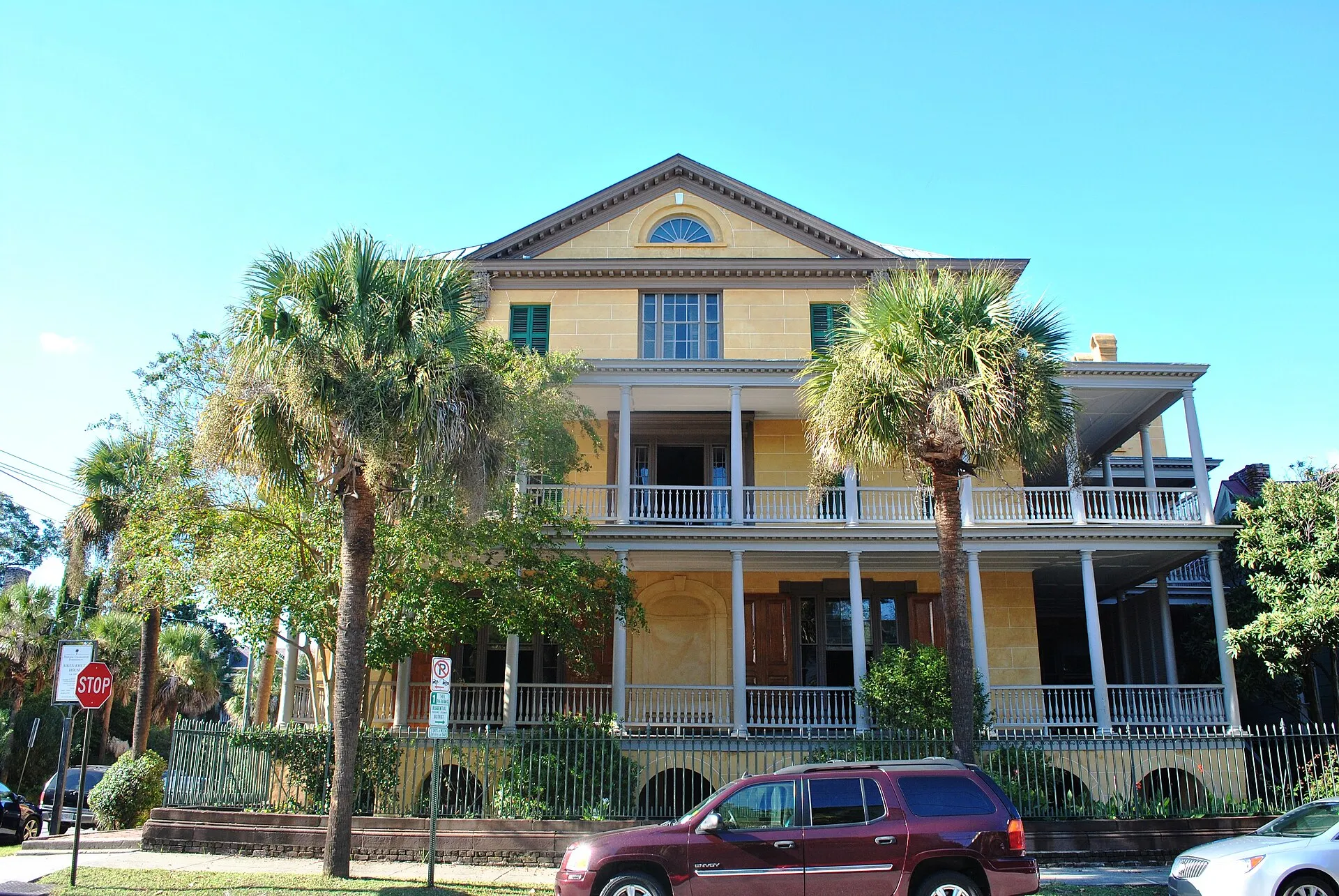
Aiken-Rhett House

#7

Aiken-Rhett House

Elizabeth Street, Upper peninsula

Built in 1820 and expanded by Governor William Aiken Jr., this townhouse has been preserved rather than restored. That means peeling paint, faded wallpaper and original furniture. Behind it, the work yard and the quarters where enslaved people lived survive almost unchanged, which is rare. It's the most honest house museum in town.

Cost
$16 adults, $7 children 6–16; combo with the Nathaniel Russell House $24 (2026)
Time needed
About an hour
Best time
Combine with a walk up King Street

Insider tip: It's about a 20-minute walk north of the Market. Neither house is wheelchair accessible.

Skip it if: You want gleaming period rooms. This isn't that.

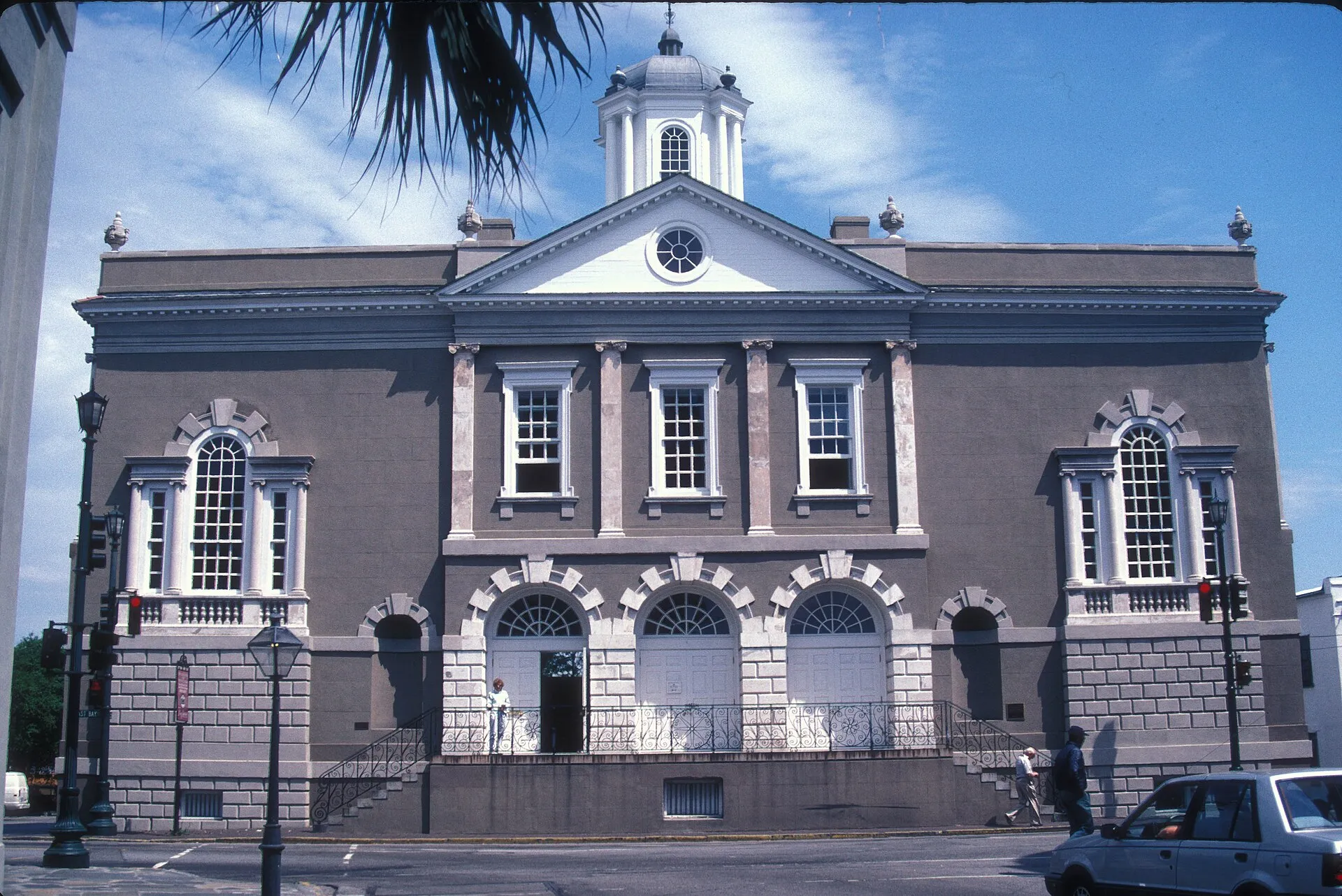
Old Exchange and Provost Dungeon

#8

Old Exchange and Provost Dungeon

East Bay Street at Broad Street

Finished in 1771 as the colony's exchange and custom house, at the end of Broad Street. South Carolina ratified the US Constitution here in 1788, and George Washington was entertained here in 1791. Down in the cellar, the British held prisoners during the Revolution. The ticket includes a 25-minute guided tour of that dungeon.

Cost
$16 adults, $12 children 7–12, under 7 free (2026)
Time needed
About an hour
Best time
Any time; good on a rainy or very hot afternoon

Insider tip: Start with the dungeon tour, then do the upstairs rooms at your own pace. There's an elevator.

Skip it if: You're doing Fort Sumter and the house museums on the same day. That's a lot of history.

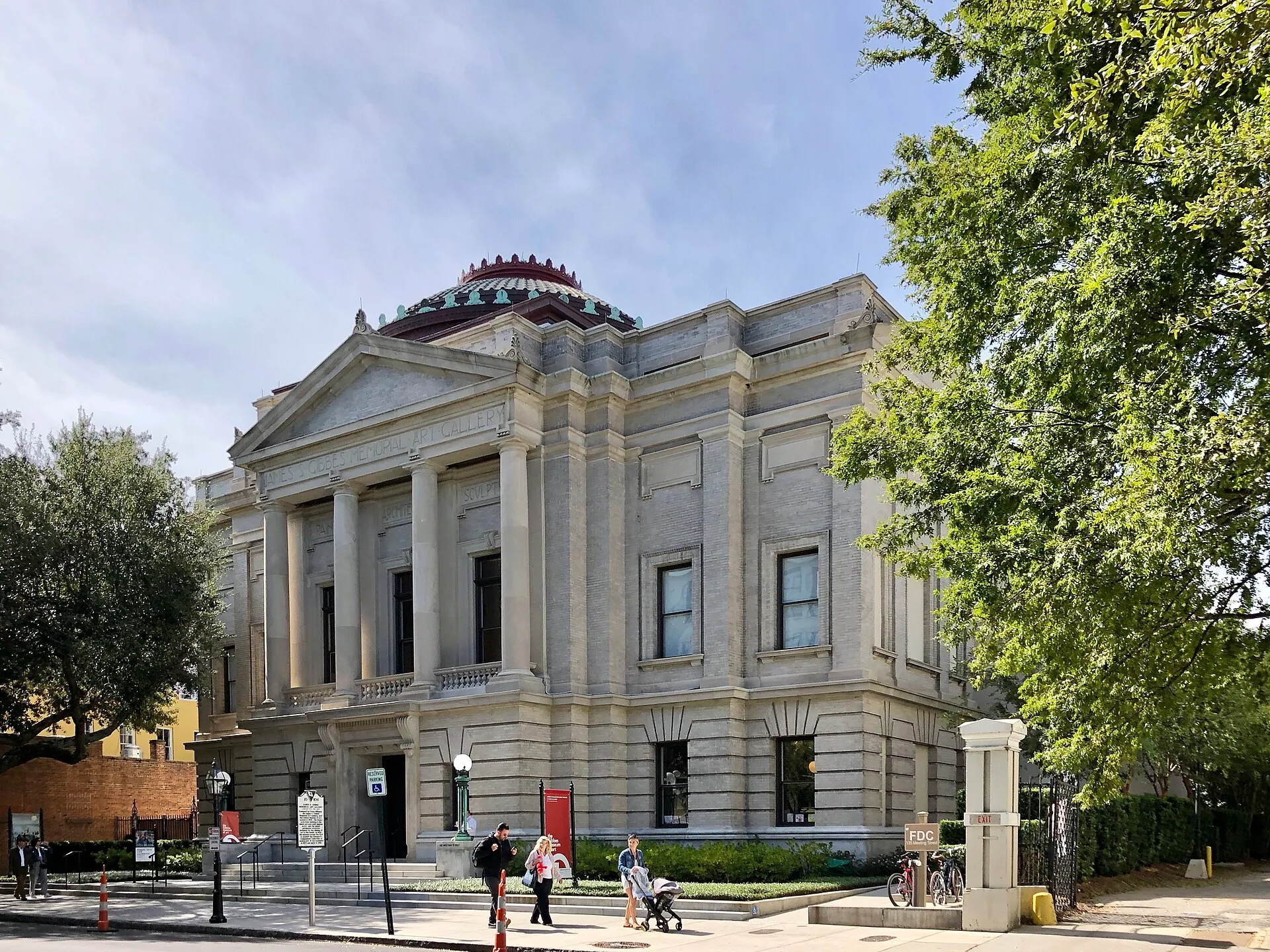
Gibbes Museum of Art

#9

Gibbes Museum of Art

Meeting Street

Charleston's art museum opened in 1905 in a Beaux-Arts building on Meeting Street. The collection is mostly American art with Charleston connections, from colonial portraits to a strong set of miniature portraits and work from the Charleston Renaissance of the 1920s and 30s. The first floor is free.

Cost
$20 adults, $12 children 8–17, 7 and under free; first floor free (2026)
Time needed
1–1½ hours
Best time
A hot afternoon. It's closed on Tuesdays

Insider tip: Pop into the free ground floor even if you don't buy a ticket. The garden at the back is a quiet spot right next to the Market.

Skip it if: Art museums aren't your thing. Charleston's architecture outside is the bigger show.

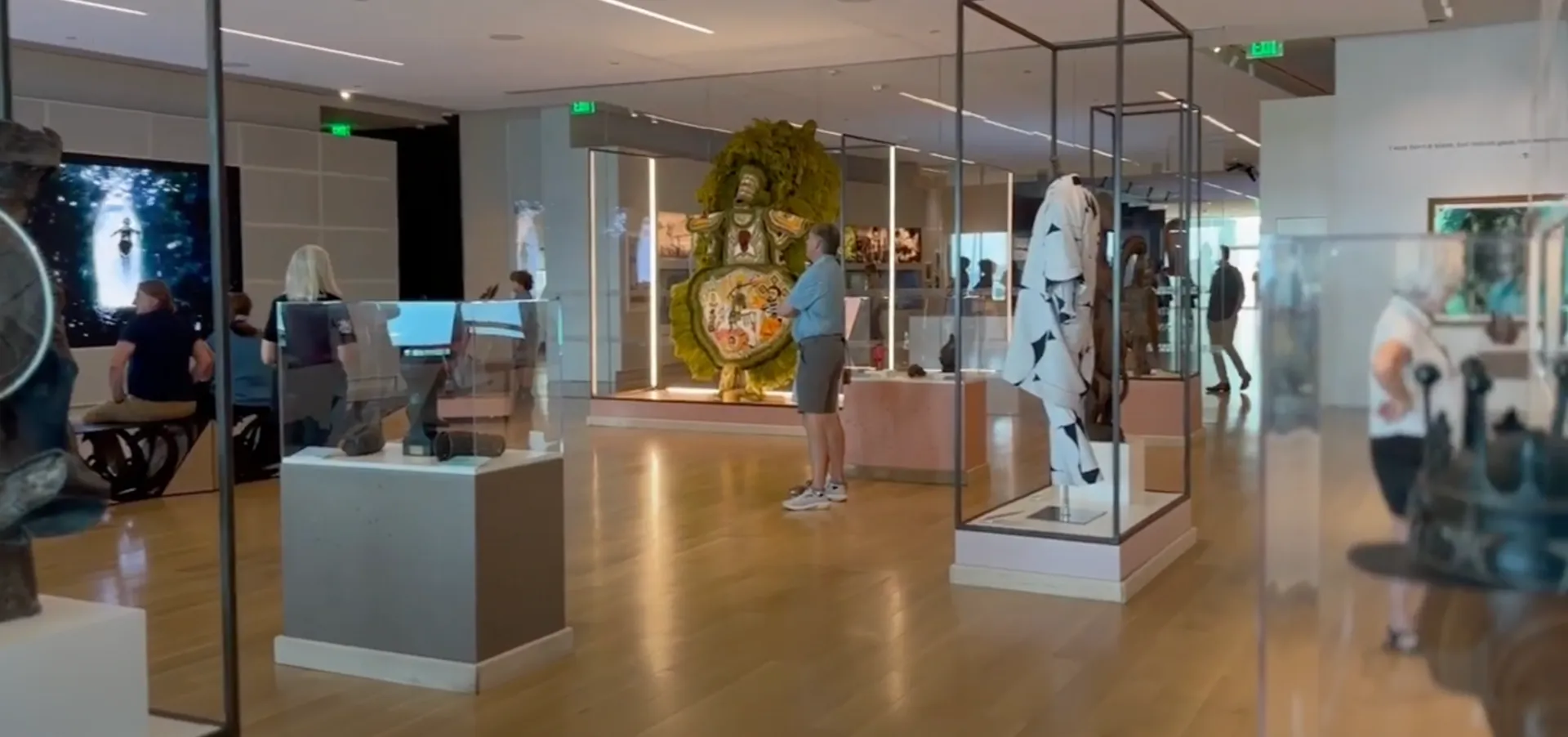
International African American Museum

#10

International African American Museum

Gadsden's Wharf

Opened in 2023 on the site of Gadsden's Wharf, where tens of thousands of enslaved Africans were brought ashore. The museum traces the journey from West Africa through slavery to the present, and it has a family history centre where you can research your own roots. The memorial garden outside is free.

Cost
$22.50 adults, $10.50 youth 6–16, $14.50 seniors 62+ (non-SC residents, 2026)
Time needed
2–3 hours
Best time
Book a timed entry ahead; closed on Mondays

Insider tip: Give it time. Rushing through in an hour doesn't do it justice, and the garden is worth a quiet walk afterwards.

Skip it if: Only skip it if you'll come back on a second trip. It explains the city.

Patriots Point and the USS Yorktown

#11

Patriots Point and the USS Yorktown

Mount Pleasant

Across the Cooper River in Mount Pleasant, the World War II aircraft carrier USS Yorktown is now a museum ship, with planes on the flight deck and a destroyer moored next to it. Kids love it. Fort Sumter ferries also leave from here.

Cost
$28 adults, $23 children 6–12 when bought online (2026); parking extra
Time needed
3 hours or more
Best time
Morning; the hangar decks get hot in summer

Insider tip: Pair it with the Fort Sumter boat from the Patriots Point dock and you've got a full day without driving downtown.

Skip it if: You're without a car and short on time; it's across the bridge.

Middleton Place

#12

Middleton Place

Ashley River Road

A rice plantation on the Ashley River with gardens laid out from 1741, which makes them some of the oldest landscaped gardens in the US. Admission covers the gardens, the stableyards, the house museum and daily guided tours, including Beyond the Fields, about the people enslaved here. It's about half an hour's drive from downtown.

Cost
$35 adults, $15 children 6–13, $32 seniors (2026)
Time needed
Half a day
Best time
March and April for the azaleas; mornings in summer

Insider tip: Do the Beyond the Fields tour, not just the gardens. It changes how you see the rest.

Skip it if: No car and no tour booked? Leave it for another time.

Frequently asked questions

How many days do you need in Charleston?

Two days covers the historic district, a house museum and Fort Sumter. Three gives you time for Middleton Place, Patriots Point or a beach.

Is Charleston walkable?

Yes. The historic peninsula is flat and compact, and Rainbow Row, the Battery, the Market and the Waterfront Park are all within about a mile. The DASH shuttles downtown are free.

How do you get to Fort Sumter?

Only by the Fort Sumter Tours ferry, from Liberty Square downtown or Patriots Point in Mount Pleasant. In 2026 it costs $43 for adults and $26 for children 4–11, and the trip takes about 2¼ hours.

When is the best time to visit Charleston?

March to May and October to November. Summer is hot and humid, and hurricane season runs from June to November.

Is Charleston good for kids?

Yes, if you mix the history with lighter stops: the Pineapple Fountain, the ferry ride to Fort Sumter and the aircraft carrier at Patriots Point all go down well. The Charleston City Quest turns the old city into a walk with riddles.

Plan your next step

Tours & tickets in Charleston

See options (affiliate link, opens in new tab)

Pick any 10 City Quests for €24.99