
Your mission starts here
Split travel guide
A Roman emperor’s palace that turned into a town, with the Adriatic on the doorstep.
Split in brief
This Split travel guide covers the 12 best things to do, where to stay (4 neighbourhoods compared), a 2-day itinerary, day trips, trip costs and what to pack, for first-time visitors, couples and families. Best time to visit: May, June and September for warm sea and fewer crowds. July and August are hot and very busy. Winter is mild and quiet, but island ferries run a reduced timetable. The Split City Quest is a self-guided walking treasure hunt of about 1.6 km / 1 mile on foot (flat, compact old town) that takes 2–2.5 hours incl. stops, sold as a digital download for €9.99.
Last updated · How we research
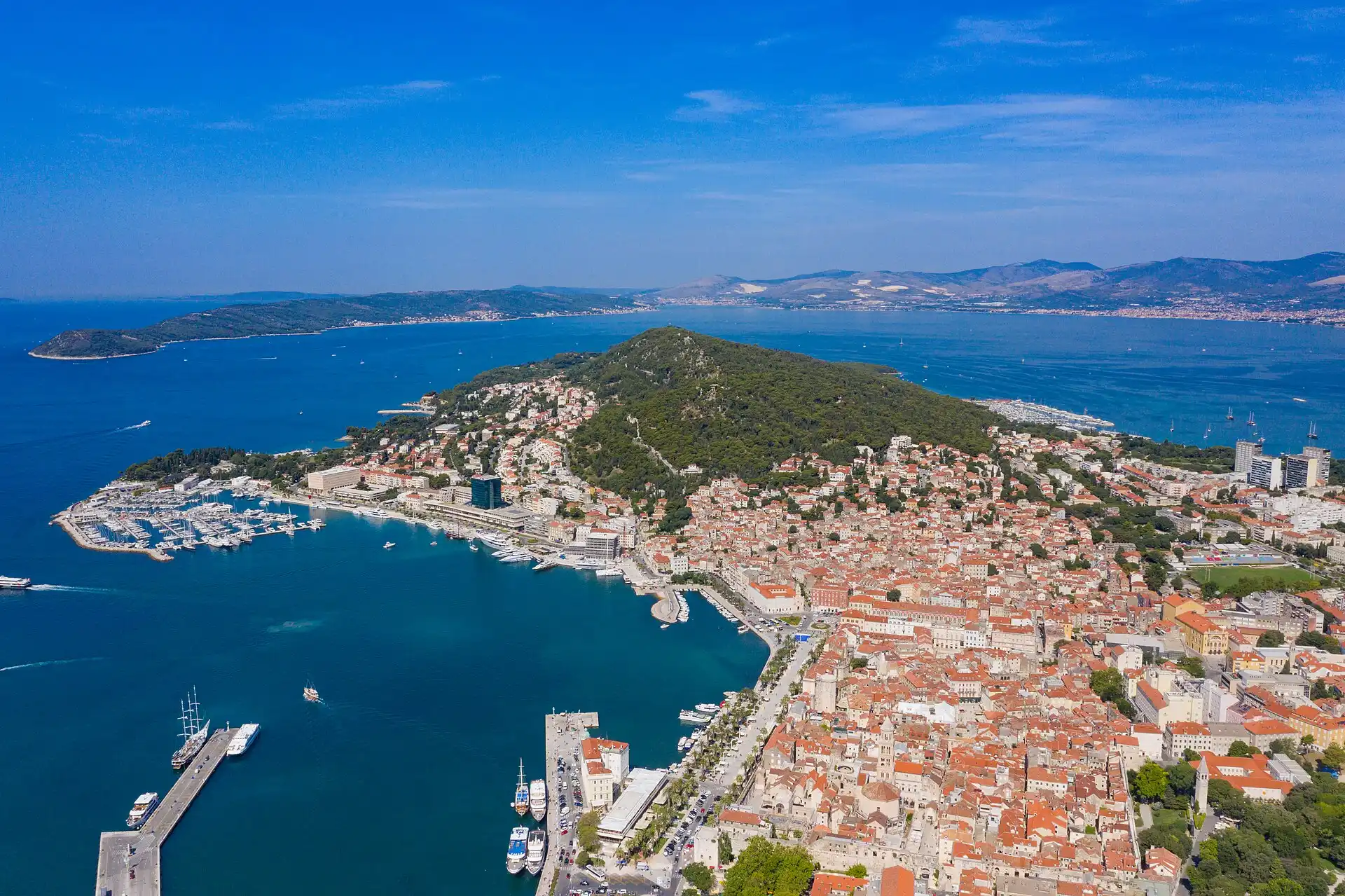
Split is a working town built inside a Roman palace. Diocletian had it put up around 300 AD, and instead of becoming a ruin it filled with houses, churches and shops, so today you drink coffee between Roman columns and walk through gates that are 1,700 years old. The old town is small. You can cross the palace in five minutes, which makes it easy to explore on foot. Outside the walls are the Riva promenade, the green market, Marjan Hill and the town beach at Bačvice. Split is also the main ferry port for the islands, so many people only pass through. Give it two days. In November and December it’s quiet, boats to the islands run less often, and the Riva gets Christmas lights.
Explore Split like a game
Split City Quest
Walk from the Riva through the palace cellars to the Peristyle, the Vestibule, the Temple of Jupiter and the cathedral, out through the Silver and Golden Gates to Grgur Ninski, then back through the Iron Gate to Pjaca, Fruit Square and the Prokurative, finishing at the Matejuška fishing harbour, with riddles, photo missions, a kids’ mode and a final quiz.
A self-guided walking treasure hunt as a digital download. Print it or keep it on your phone · €9.99.
See the Split questPlan your Split trip
Best things to do in Split →
12 honest picks with costs, timing and skip-it-ifs.
Where to stay in Split →
4 neighbourhoods compared, with hotel picks per budget.
Split in 2 days →
A day-by-day route grouped by area.
Day trips from Split →
4 day trips with travel times and how to get there.
Split trip cost →
Transport, airport and ticket prices we have checked, plus a budget calculator.
What to pack for Split →
Weather month by month and what to wear.
Split City Quest →
A printable self-guided treasure hunt.
Split quick facts
- Best time to visit
- May, June and September for warm sea and fewer crowds. July and August are hot and very busy. Winter is mild and quiet, but island ferries run a reduced timetable.
- Money
- Euro (EUR) since 2023. Cards are widely accepted; carry some cash for market stalls.
- Airports
- Split Airport (SPU) is at Kaštela, about 20 km west of the centre.
- Airport to city
- The Platanus airport shuttle leaves about 30 minutes after each arrival and goes non-stop to the main bus station by the ferry port: €10 one way, €15 return. Promet Split’s city bus 37 is cheaper at €3 but takes about 50 minutes (both checked 9 November 2026).
- Getting around
- On foot: the old town is pedestrian. Promet Split buses cover the suburbs, Solin and Trogir. Ferries and catamarans to the islands leave from the port next to the bus station.
- Budget
- Mid-range, and higher in summer. Walking the palace, the Riva and Marjan is free. The cellars museum is €10. Seafood and boat trips are where the money goes.
- Language
- Croatian. English is widely spoken in hotels, cafés and shops.
- Plugs
- Type C and F, 230 V. Bring an adapter from the UK or North America.
How many days do you need in Split?
Two days is ideal: one for Diocletian’s Palace and the Riva, one for Marjan, the beach or a day trip to Trogir. Many people use Split as a base for the islands too. See our 2-day Split itinerary.
When is the best time to visit Split?
May, June and September for warm sea and fewer crowds. July and August are hot and very busy. Winter is mild and quiet, but island ferries run a reduced timetable. For monthly temperatures and rain, see what to pack for Split.
Only have one day? Do these three
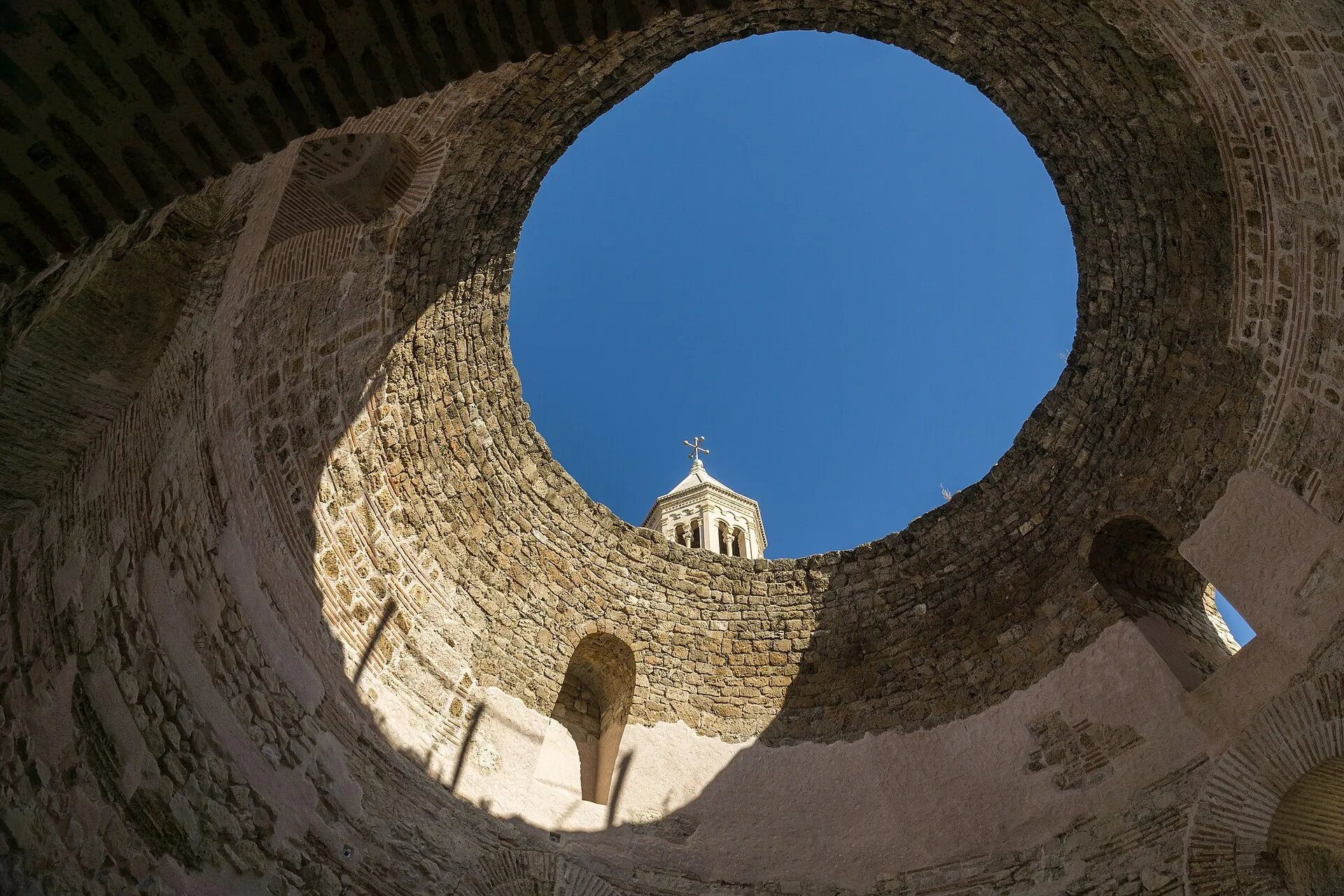
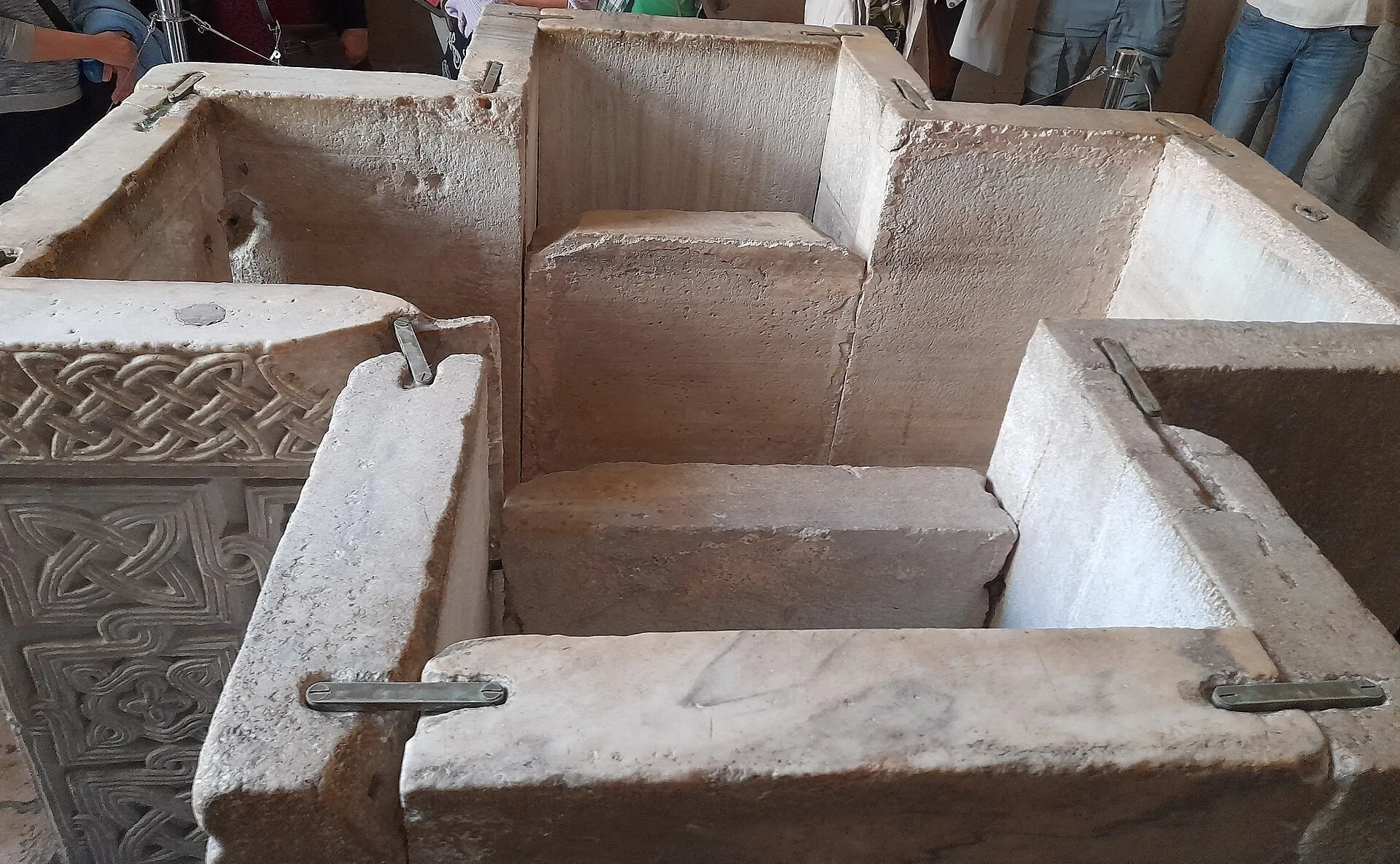
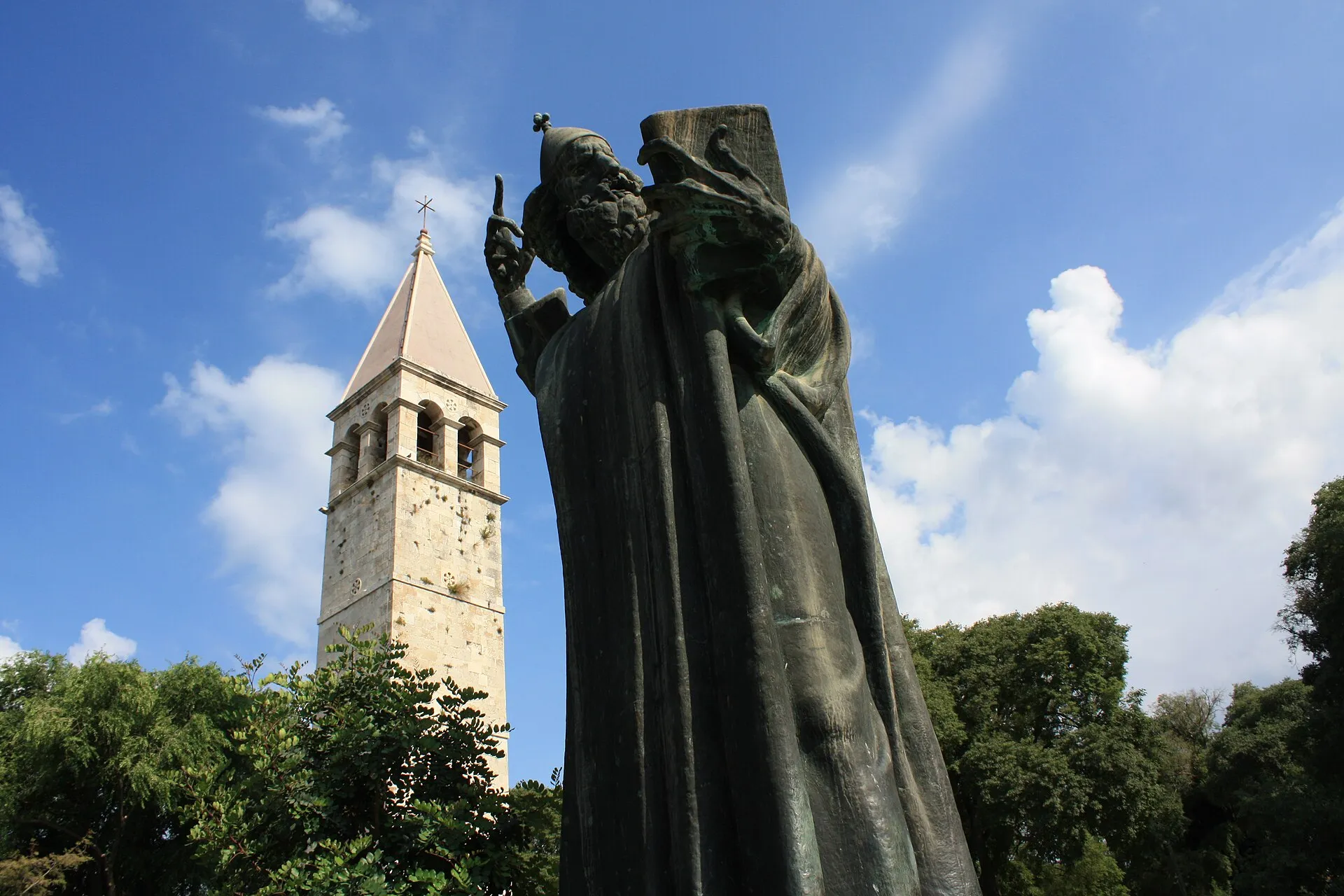
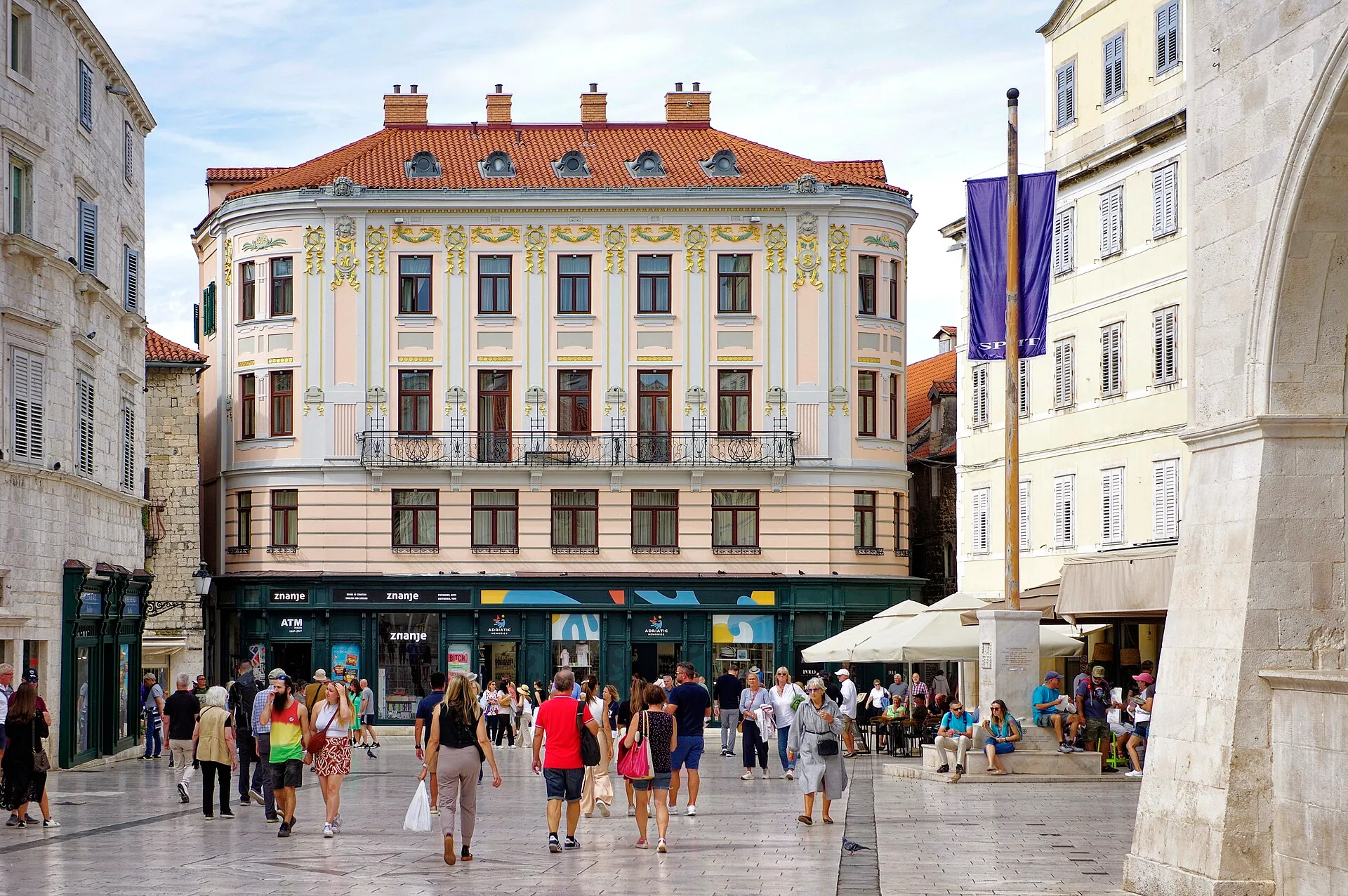
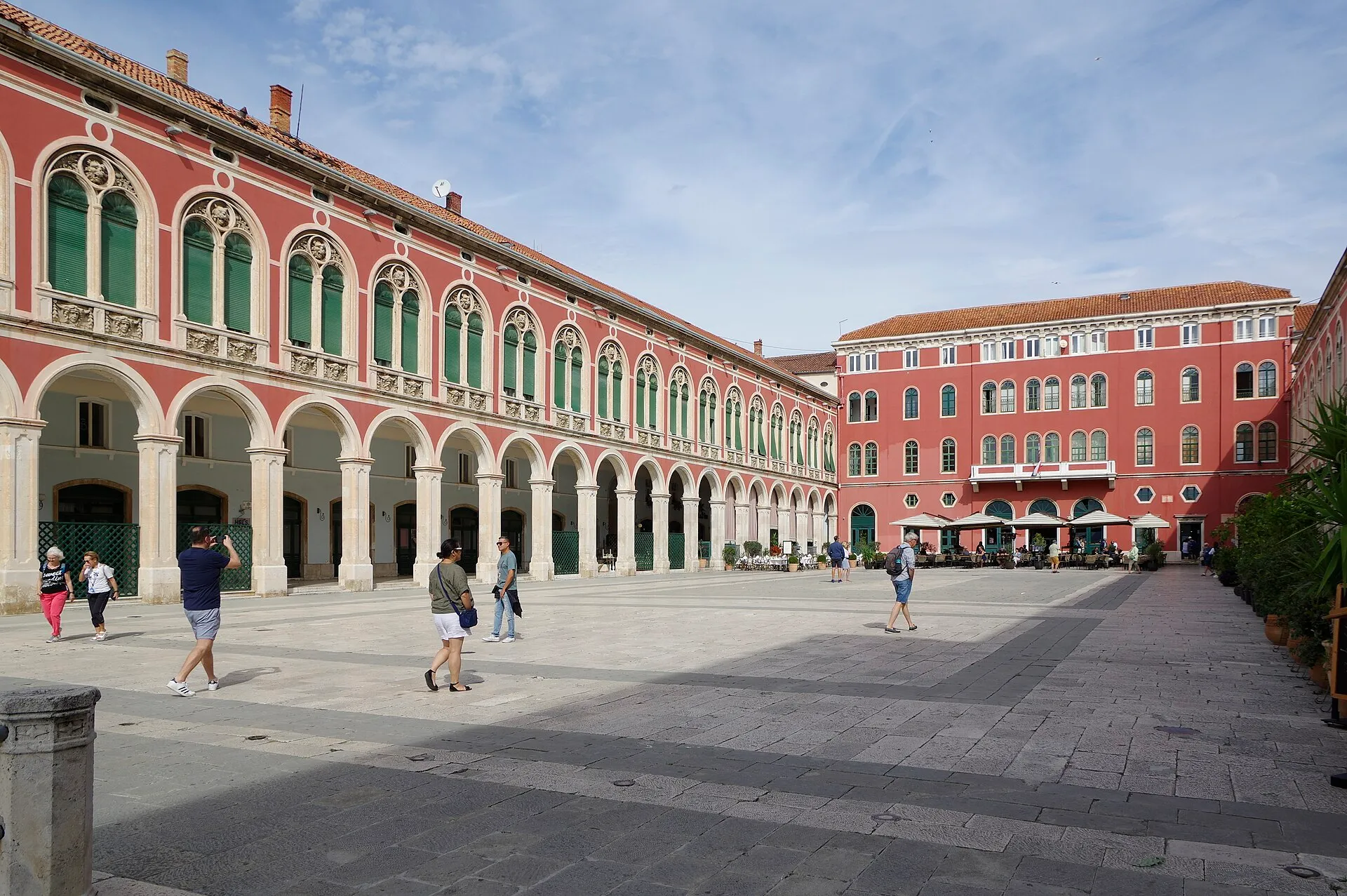
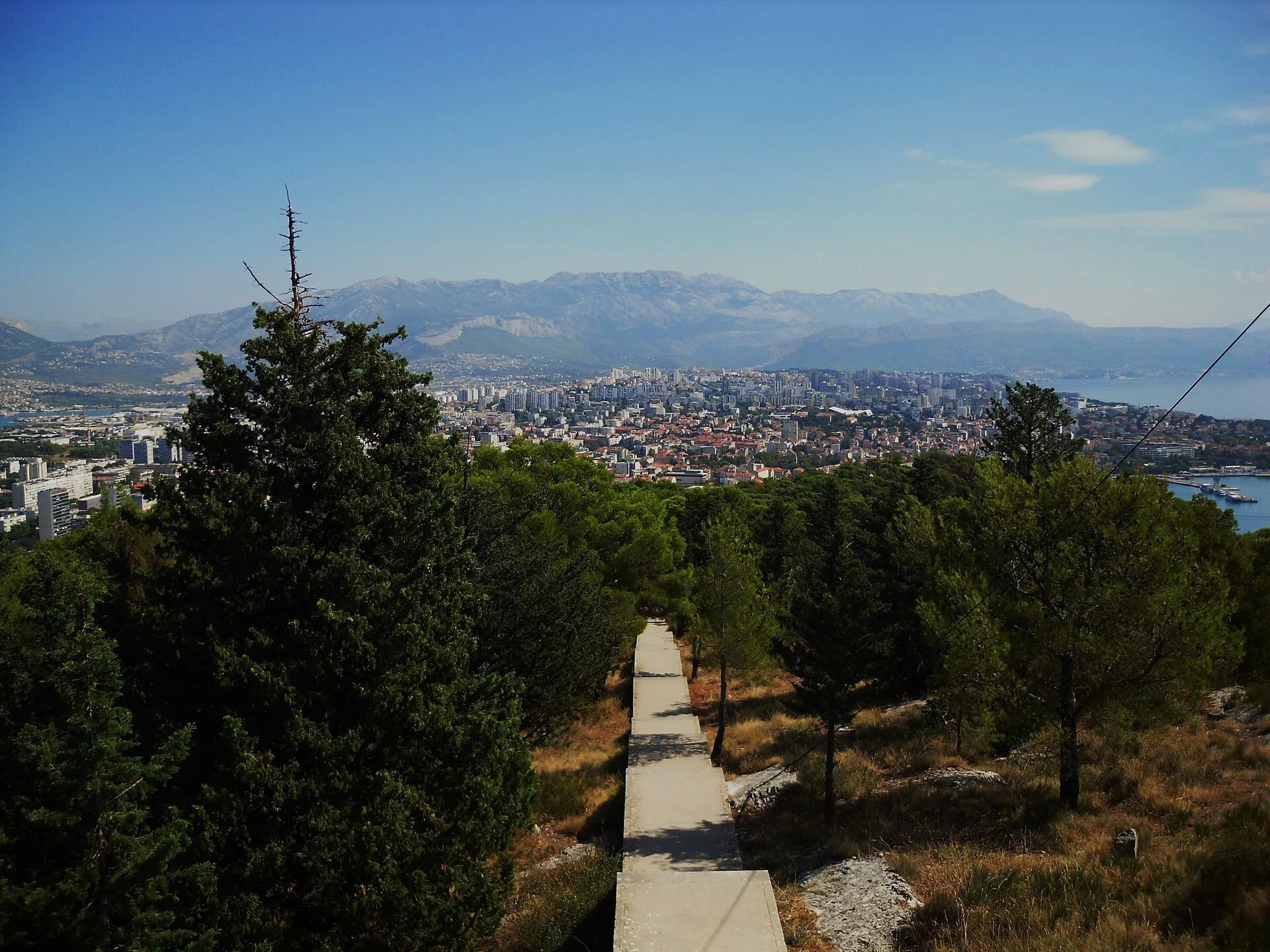
Top things to do in Split
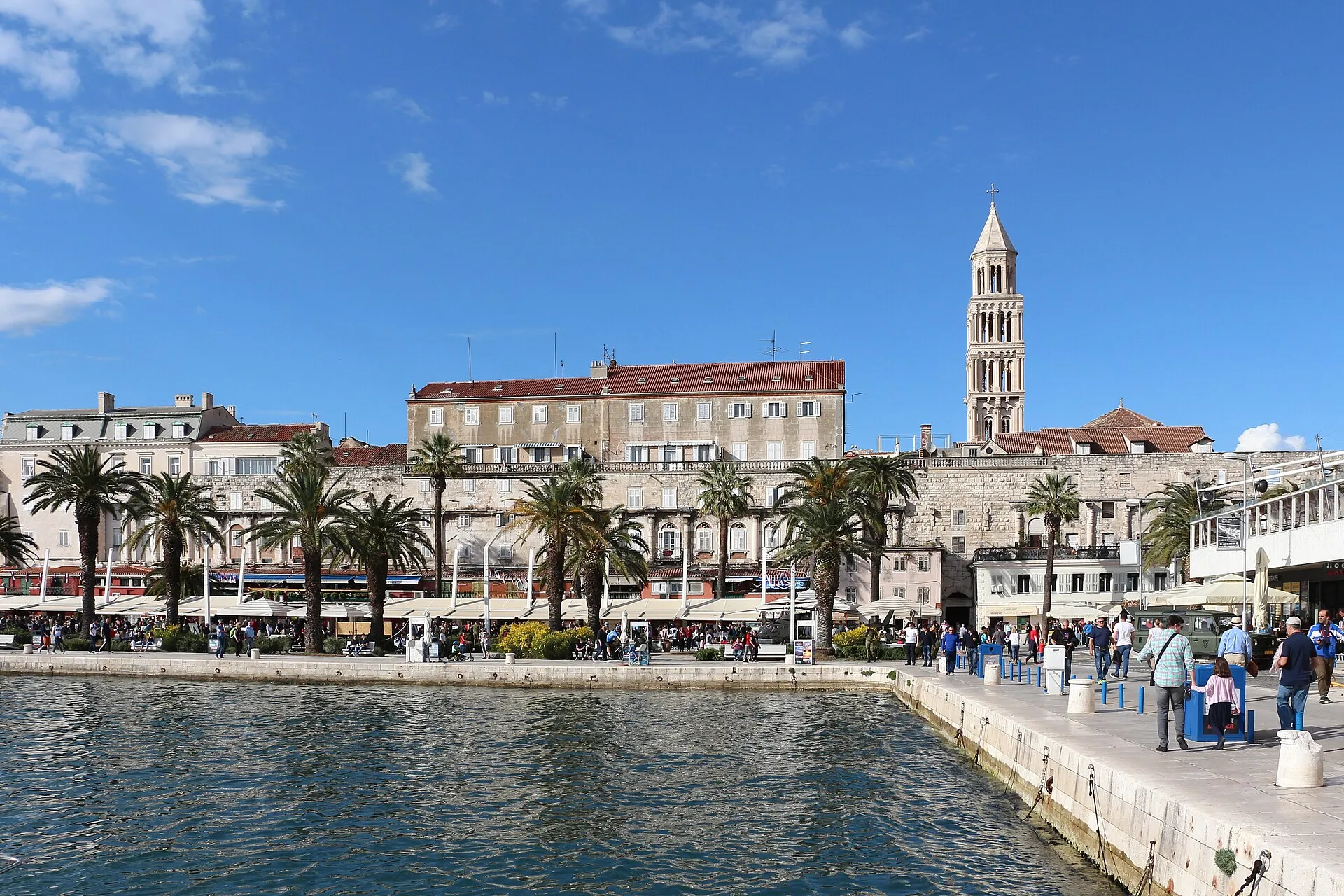
- 1. Diocletian’s Palace · Free to walk around
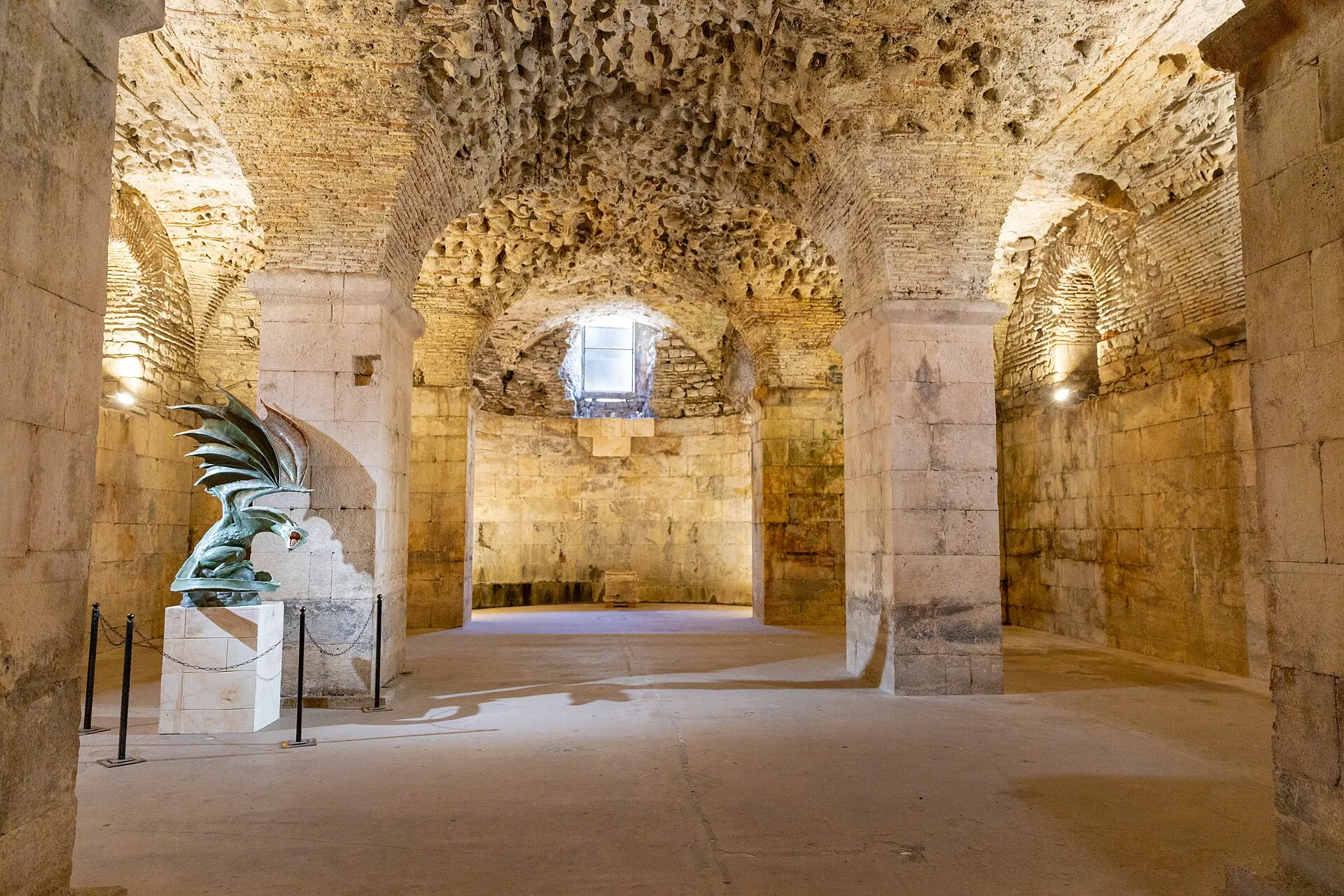
- 2. The palace cellars (substructures) · €10 adults, €8 students/pensioners with a Croatian document, €18 family
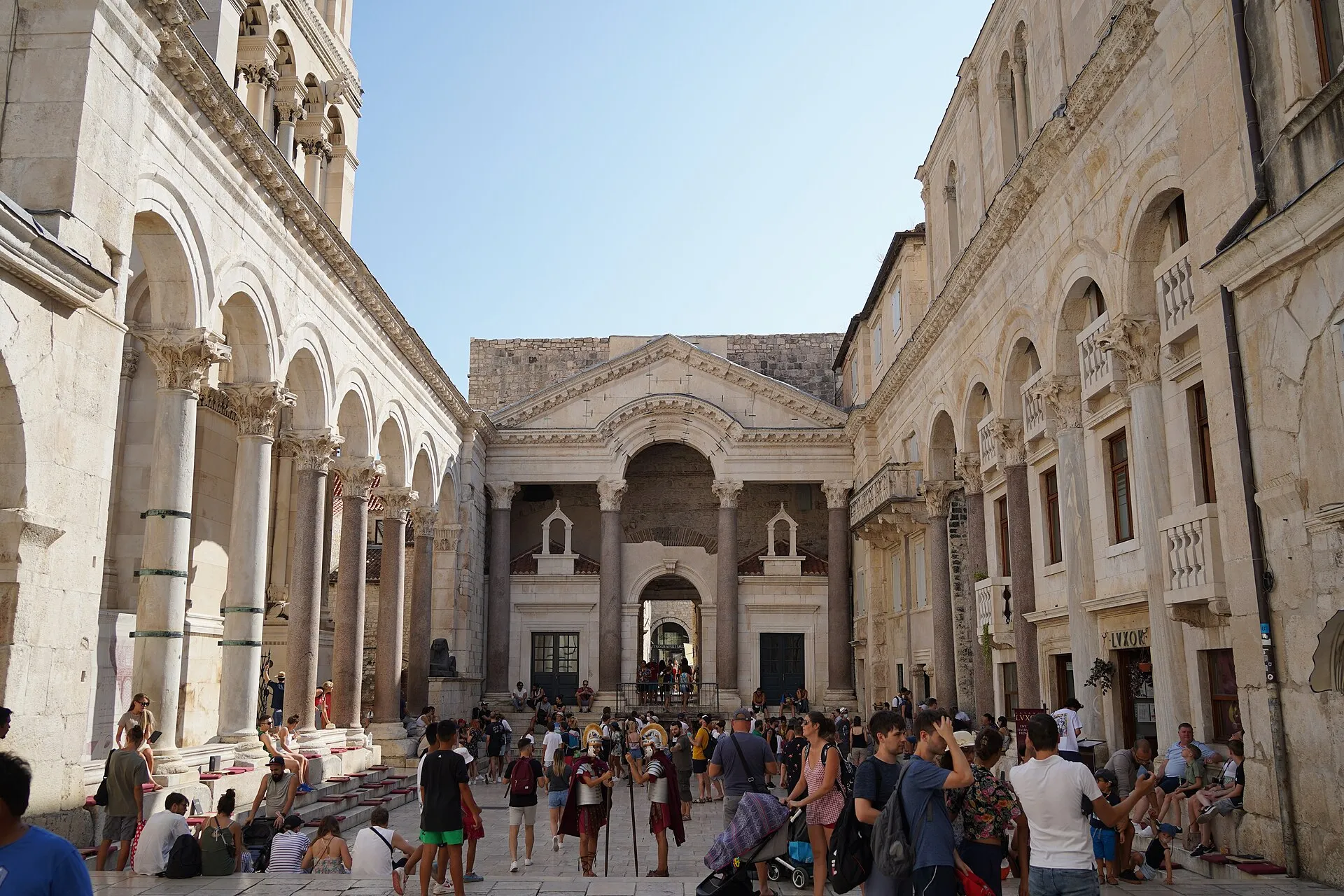
- 3. The Peristyle · Free
- 4. Cathedral of St Domnius and the bell tower · Separate tickets for the cathedral, bell tower, crypt, treasury and baptistery, plus combined tickets
- 5. Temple of Jupiter · Ticketed, or part of a cathedral combination ticket
- 6. The Golden Gate and Grgur Ninski · Free
Split FAQ
How many days do you need in Split?
Two days is ideal: one for Diocletian’s Palace and the Riva, one for Marjan, the beach or a day trip to Trogir. Many people use Split as a base for the islands too.
Is Diocletian’s Palace free?
Yes. The palace is the old town, and its streets, gates and the Peristyle are open all day and night. You pay for the cellars museum (€10 adults), the cathedral, the bell tower and the Temple of Jupiter.
How do I get from Split airport to the city centre?
The Platanus airport shuttle runs non-stop to the main bus station after each arrival for €10 one way. Promet Split’s bus 37 costs €3 and takes about 50 minutes.
Is Split worth visiting in November or December?
Yes, if you’re there for the town rather than the beach. The palace is quiet, prices are lower and the Riva gets Advent stalls in December. Island ferries run less often and some seasonal restaurants close.
Where was Game of Thrones filmed in Split?
The palace cellars stood in for Daenerys’ throne room in Meereen, and Klis Fortress above the city was used for Meereen as well.
Is there a tourist tax in Split?
Yes. In hotels and other commercial accommodation it’s €2.65 per person per night from 1 April to 30 September and €1.86 the rest of the year (2026 rates). Many bookings already include it.
Nearby cities to explore
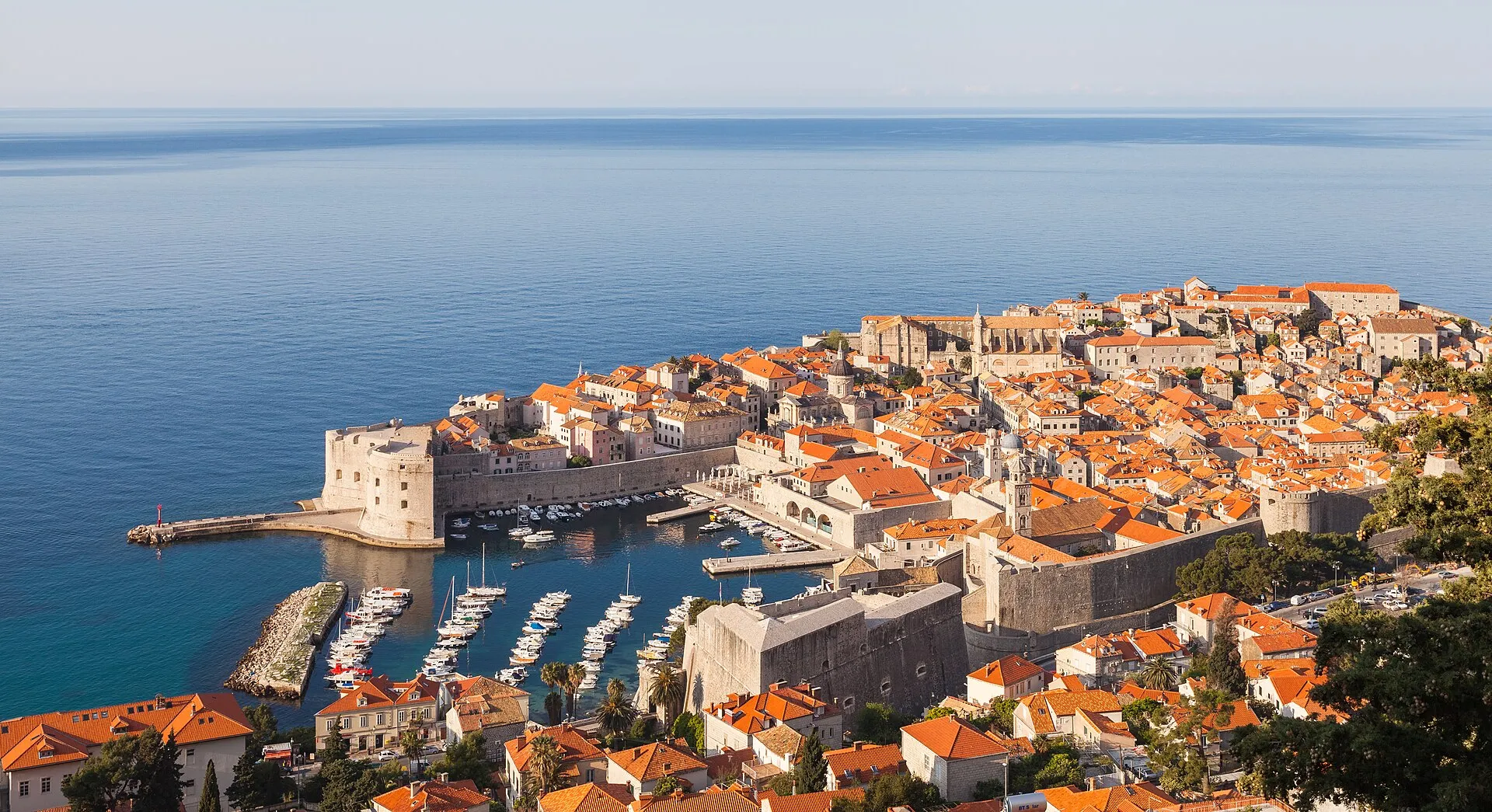
Croatia
Dubrovnik
Stone walls around a compact Old Town, a harbour that still runs ferries to Lokrum, and a cable car up Mount Srđ.
Explore Dubrovnik →
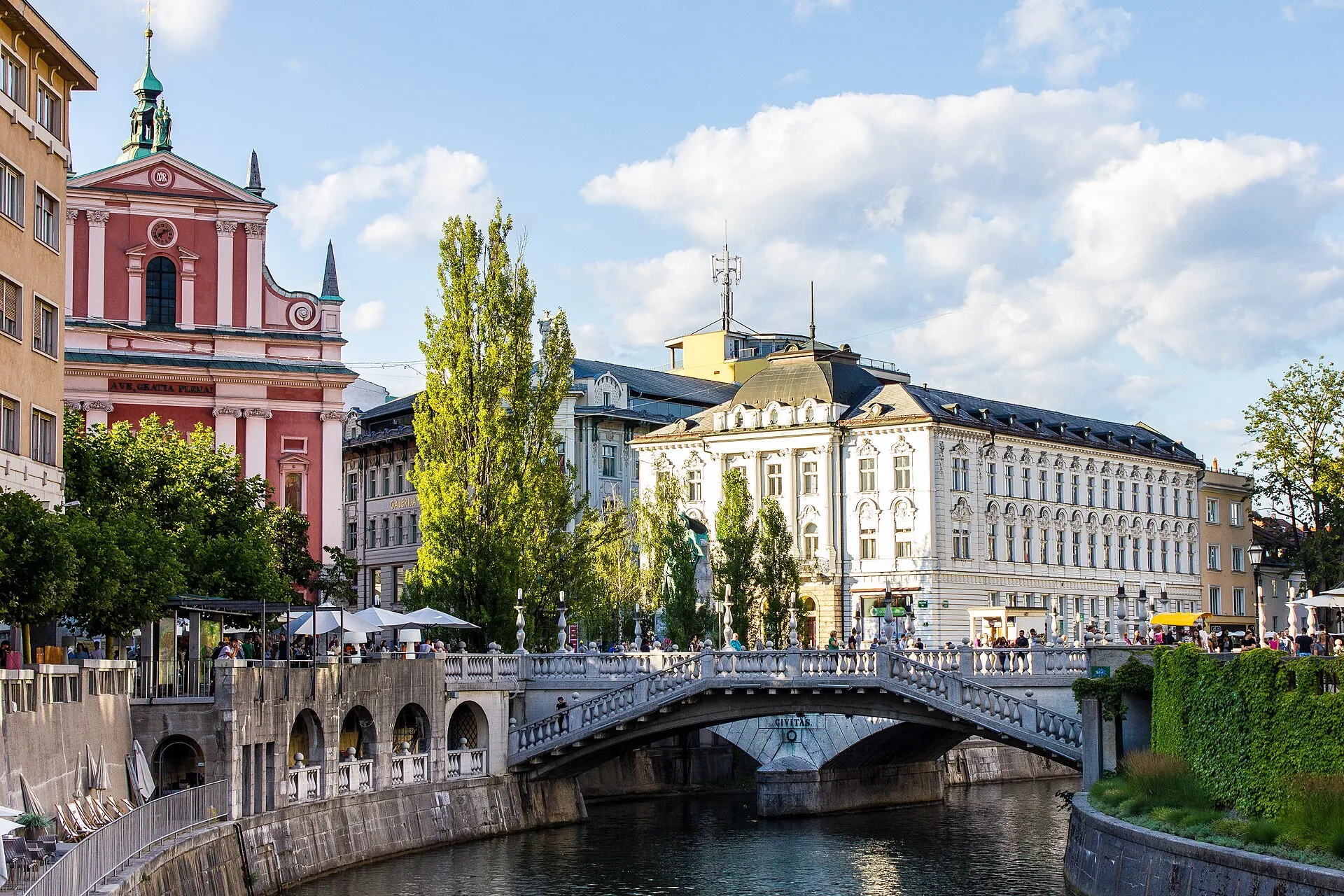
Slovenia
Ljubljana
A small, car-free old town on a green river, a castle on the hill and Plečnik’s bridges everywhere you look.
Explore Ljubljana →
Italy
Naples
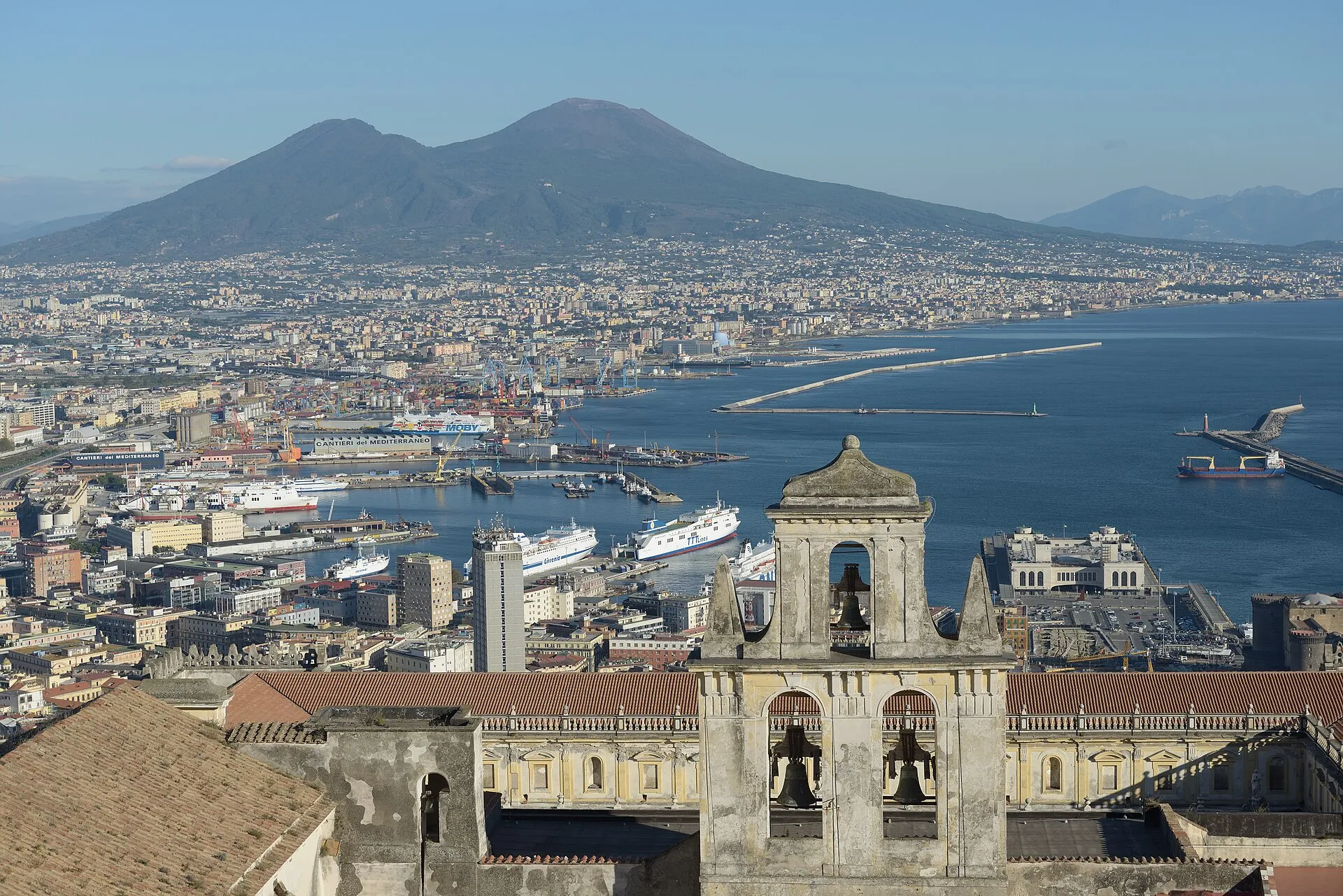
Pizza where it was born, a street of nativity workshops, a marble Christ under a veil, Roman finds from Pompeii and Vesuvius on the skyline.
Explore Naples →