
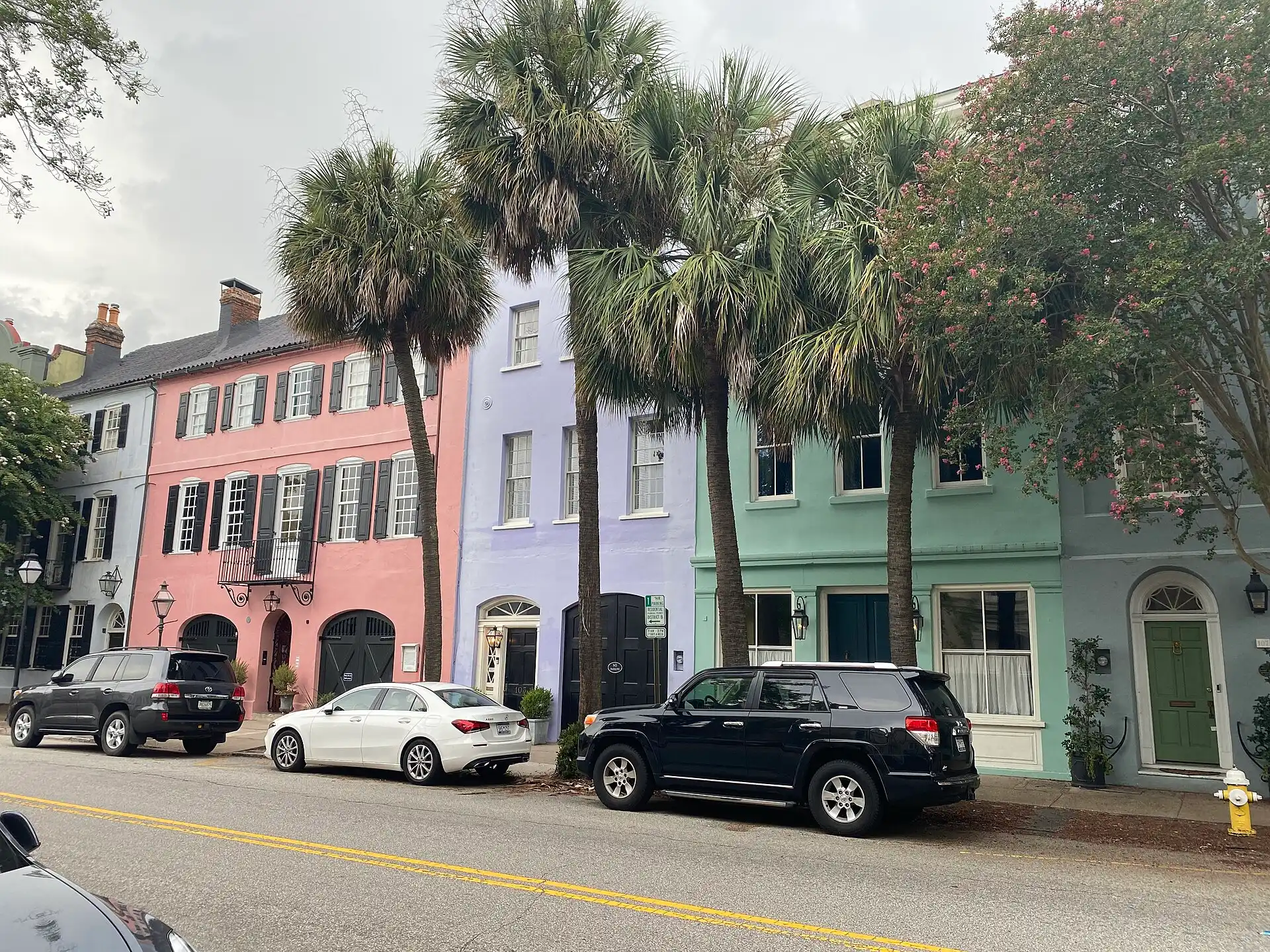
Your mission starts here
Charleston travel guide
Pastel houses, church steeples, a harbour fort and some of America's hardest history.
Charleston in brief
This Charleston travel guide covers the 12 best things to do, where to stay (4 neighbourhoods compared), a 3-day itinerary, day trips, trip costs and what to pack, for first-time visitors, couples and families. Best time to visit: March to May, when it's warm and the azaleas are out, and October to November. Summers are hot, humid and stormy, and hurricane season runs from June to November. Spring weekends are the busiest and priciest. The Charleston City Quest is a self-guided walking treasure hunt of about 4 km on foot (flat) that takes 2½–3 hours incl. stops, sold as a digital download for €9.99.
Last updated · How we research
Charleston packs a lot into a small peninsula. The old city between the Ashley and Cooper rivers is flat and walkable, with Rainbow Row, the Battery and dozens of church steeples within a mile of each other. It was one of the richest cities in colonial America, built on rice and on enslaved labour, and the better museums don't look away from that. Two days covers the peninsula and Fort Sumter. Add a third for a plantation, Patriots Point or the beach. Prices in this guide were checked on official sites on 2 November 2026.
Explore Charleston like a game
Charleston City Quest
Follow 12 quest stops from the City Market past the old churches, the Old Exchange and Rainbow Row to the Battery and the Pineapple Fountain, with riddles, photo missions, a kids' mode and a final quiz.
A self-guided walking treasure hunt as a digital download. Print it or keep it on your phone · €9.99.
See the Charleston questPlan your Charleston trip
Best things to do in Charleston →
12 honest picks with costs, timing and skip-it-ifs.
Where to stay in Charleston →
4 neighbourhoods compared, with hotel picks per budget.
Charleston in 3 days →
A day-by-day route grouped by area.
Day trips from Charleston →
4 day trips with travel times and how to get there.
Charleston trip cost →
Transport, airport and ticket prices we have checked, plus a budget calculator.
What to pack for Charleston →
Weather month by month and what to wear.
Charleston City Quest →
A printable self-guided treasure hunt.
Charleston quick facts
- Best time to visit
- March to May, when it's warm and the azaleas are out, and October to November. Summers are hot, humid and stormy, and hurricane season runs from June to November. Spring weekends are the busiest and priciest.
- Money
- US dollar ($). Cards are accepted almost everywhere; the Fort Sumter ferry only takes cards. Tipping 18–20% in restaurants is normal.
- Airports
- Charleston International Airport (CHS) in North Charleston, about 12 miles (19 km) from the historic district.
- Airport to city
- CARTA's Airport Express (route XP4) runs between the airport and downtown for $3.50 one way (ridecarta.com, 2026). Taxis and rideshares are quicker.
- Getting around
- Walk. The historic district is flat and compact. CARTA's free DASH shuttles loop around downtown, and a regular bus ride is $2 or $7 for a day pass (ridecarta.com, 2026). You need a car or a tour for the plantations, Folly Beach and Angel Oak.
- Budget
- Mid-range to high. The Battery, Rainbow Row, Waterfront Park and the City Market are free, and so are the downtown DASH shuttles. House museums cost about $16 and the Fort Sumter ferry $43 (2026). Hotels on the peninsula are the big cost.
- Language
- English.
- Plugs
- Type A and B, 120 V.
How many days do you need in Charleston?
Two days covers the historic district, a house museum and Fort Sumter. Three gives you time for Middleton Place, Patriots Point or a beach. See our 3-day Charleston itinerary.
When is the best time to visit Charleston?
March to May, when it's warm and the azaleas are out, and October to November. Summers are hot, humid and stormy, and hurricane season runs from June to November. Spring weekends are the busiest and priciest. For monthly temperatures and rain, see what to pack for Charleston.
Only have one day? Do these three
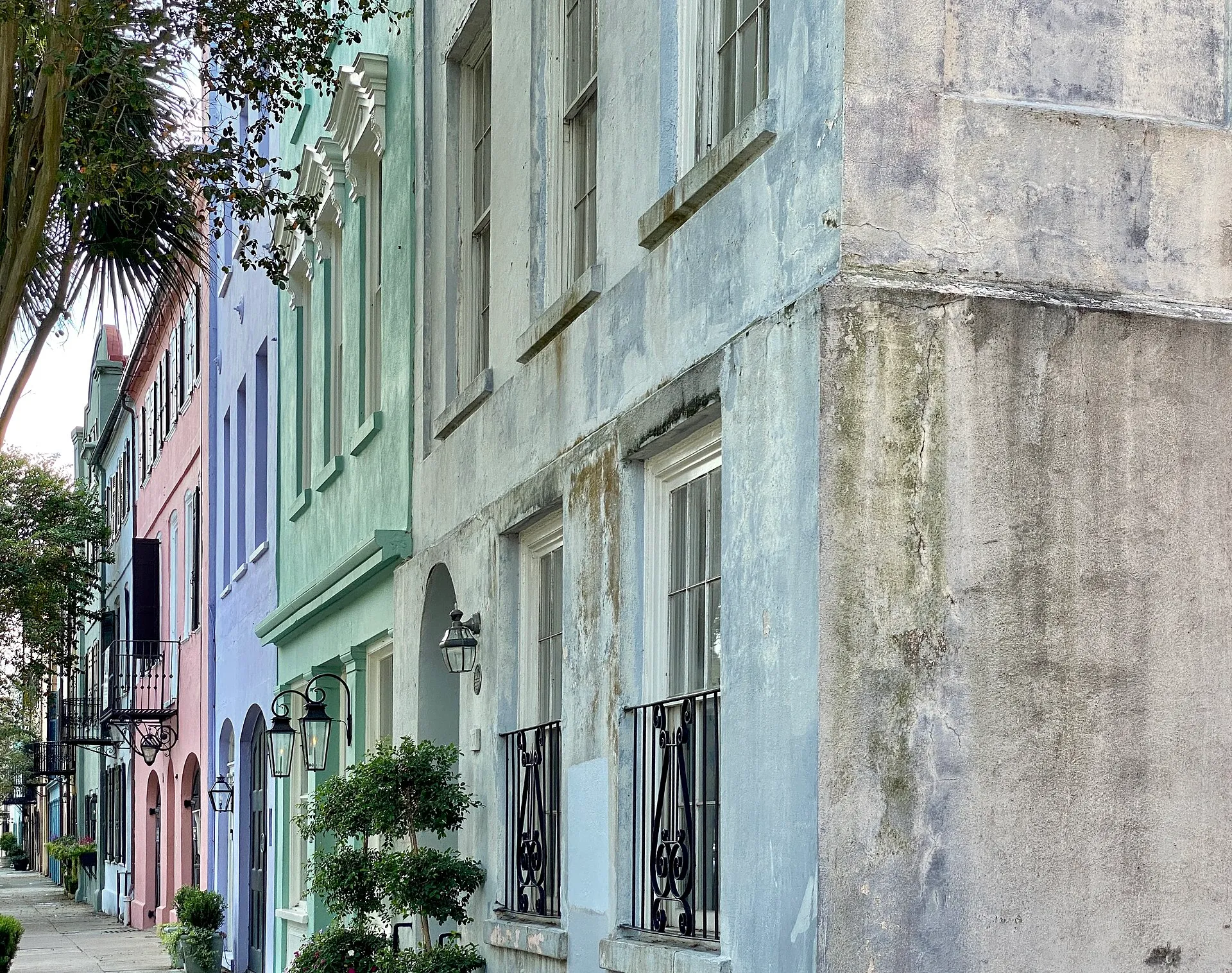
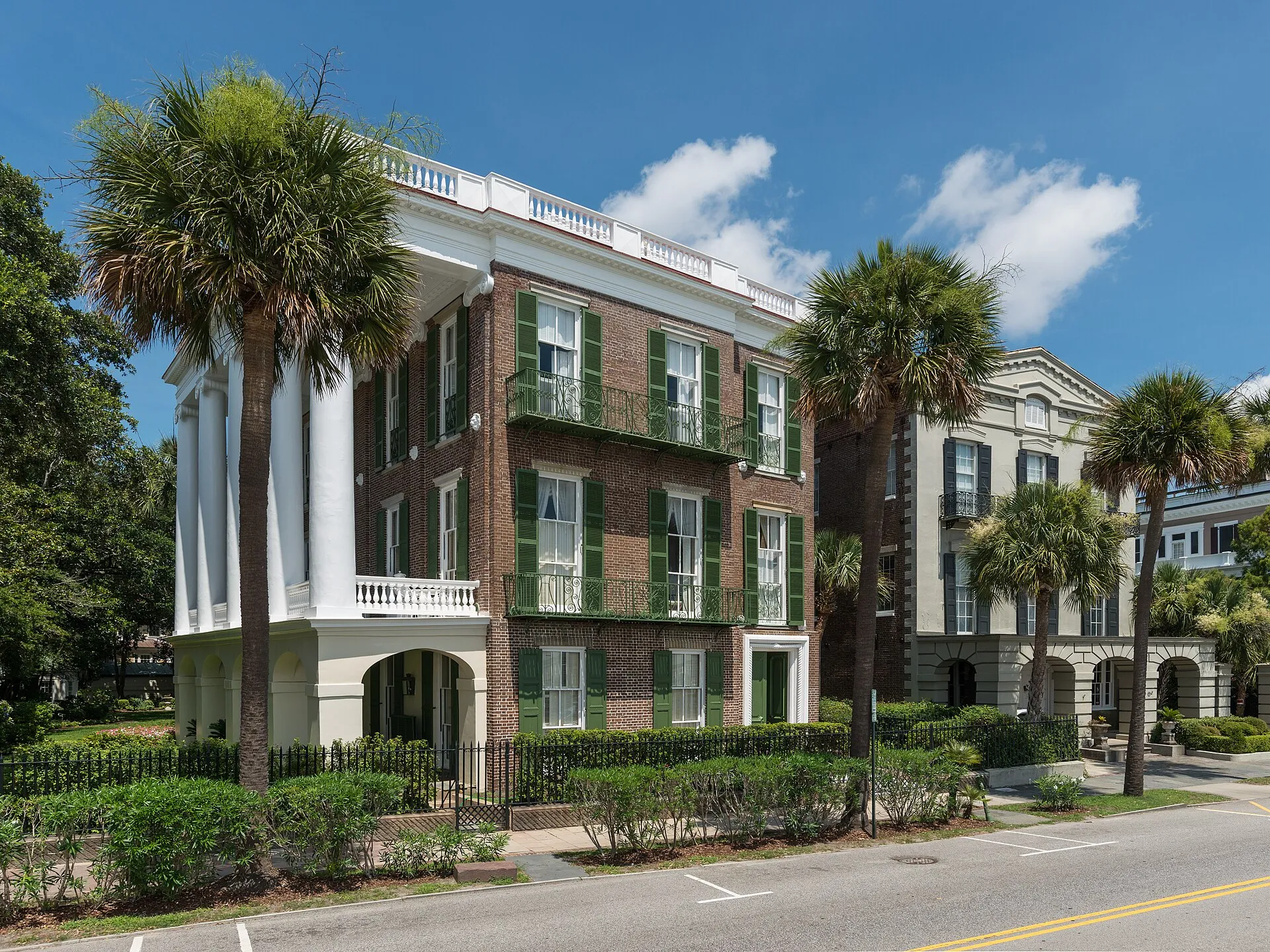
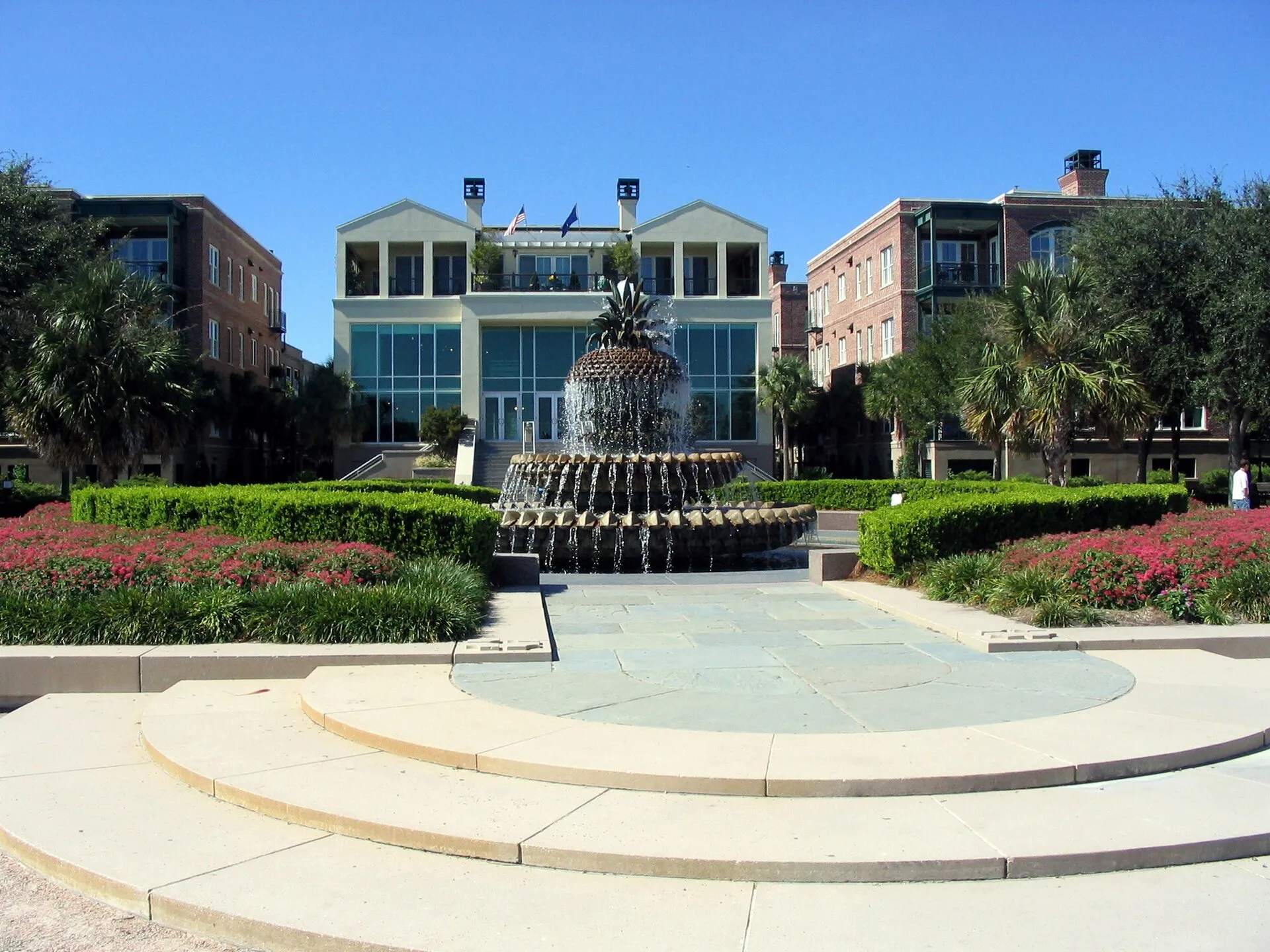
Top things to do in Charleston
- 1. The Battery and White Point Garden · Free
- 2. Rainbow Row · Free
- 3. Joe Riley Waterfront Park and the Pineapple Fountain · Free
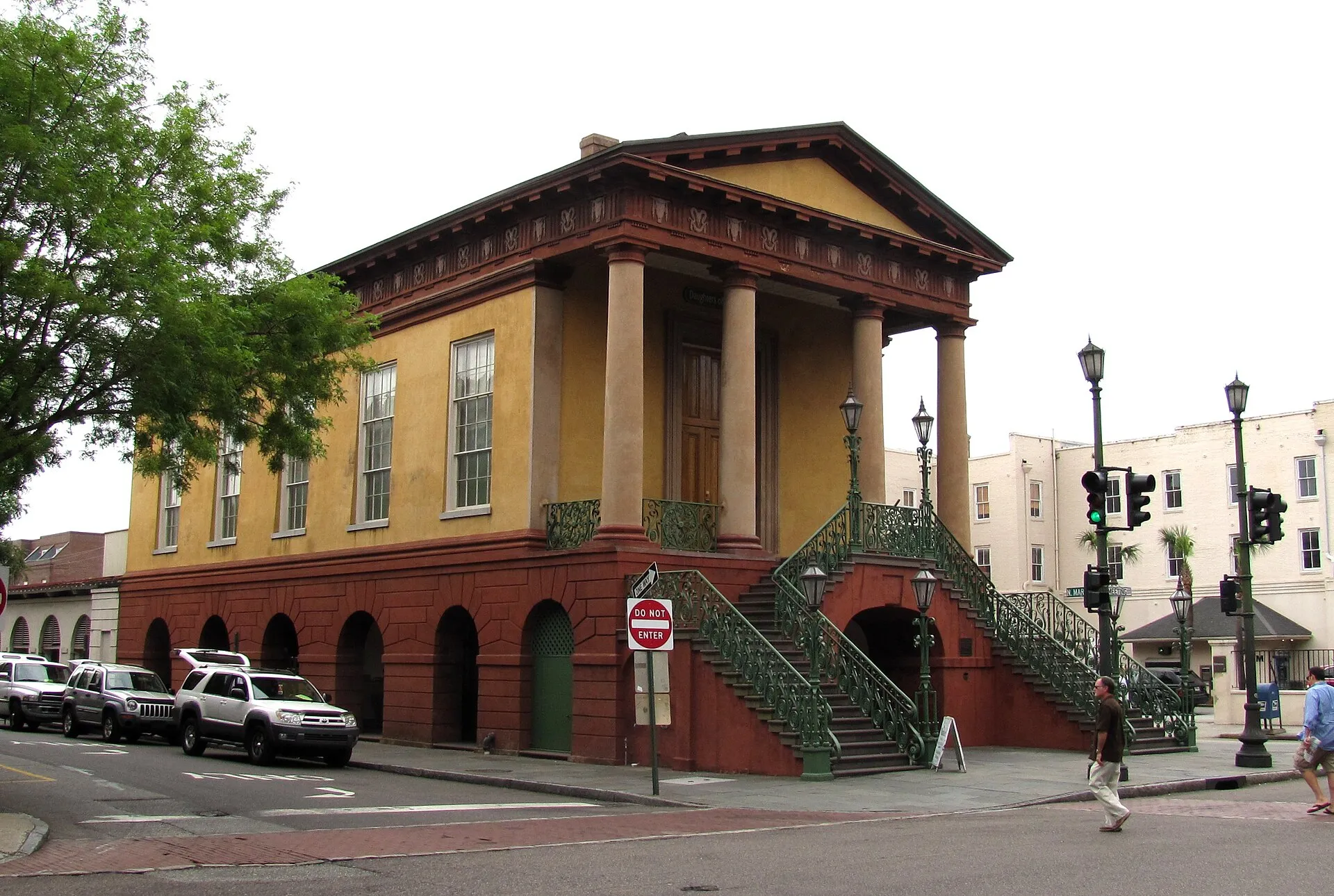
- 4. Charleston City Market · Free to walk
- 5. Fort Sumter · Ferry $43 adults, $26 children 4–11
- 6. Nathaniel Russell House · $16 adults, $7 children 6–16
Charleston FAQ
How many days do you need in Charleston?
Two days covers the historic district, a house museum and Fort Sumter. Three gives you time for Middleton Place, Patriots Point or a beach.
Is Charleston walkable?
Yes. The historic peninsula is flat and compact, and Rainbow Row, the Battery, the Market and the Waterfront Park are all within about a mile. The DASH shuttles downtown are free.
How do you get to Fort Sumter?
Only by the Fort Sumter Tours ferry, from Liberty Square downtown or Patriots Point in Mount Pleasant. In 2026 it costs $43 for adults and $26 for children 4–11, and the trip takes about 2¼ hours.
When is the best time to visit Charleston?
March to May and October to November. Summer is hot and humid, and hurricane season runs from June to November.
Is Charleston good for kids?
Yes, if you mix the history with lighter stops: the Pineapple Fountain, the ferry ride to Fort Sumter and the aircraft carrier at Patriots Point all go down well. The Charleston City Quest turns the old city into a walk with riddles.
Is there a self-guided scavenger hunt in Charleston?
Yes: the Charleston City Quest is a self-guided walking treasure hunt with 12 stops: from the City Market past the French Quarter churches and Rainbow Row to the Battery and the Pineapple Fountain. It covers about 4 km on foot (flat) and takes 2½–3 hours incl. stops, and costs €9.99 as a digital download.
Nearby cities to explore
United States
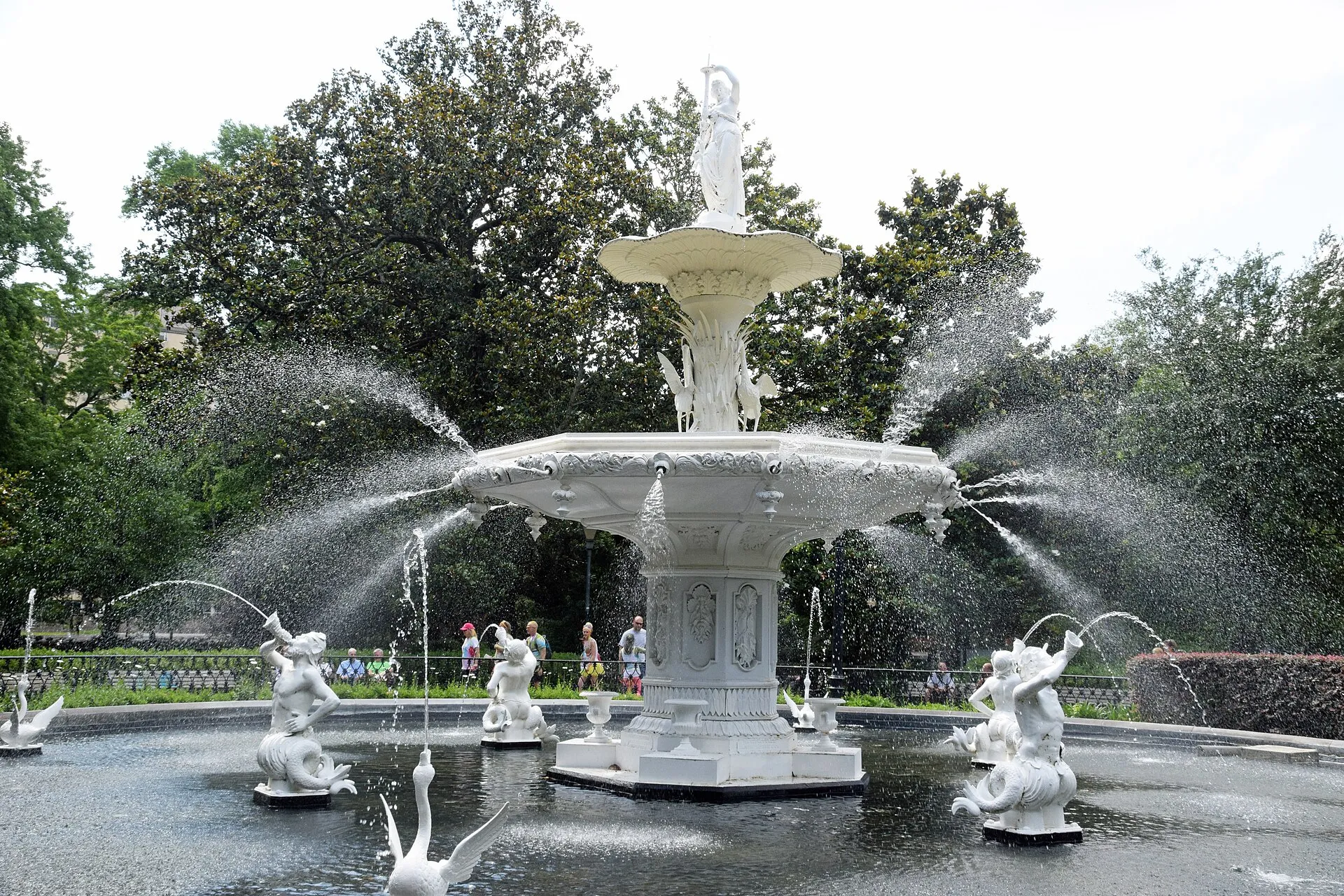
Savannah
Shady squares, Spanish moss, River Street and a city plan from 1733.
Explore Savannah →
United States
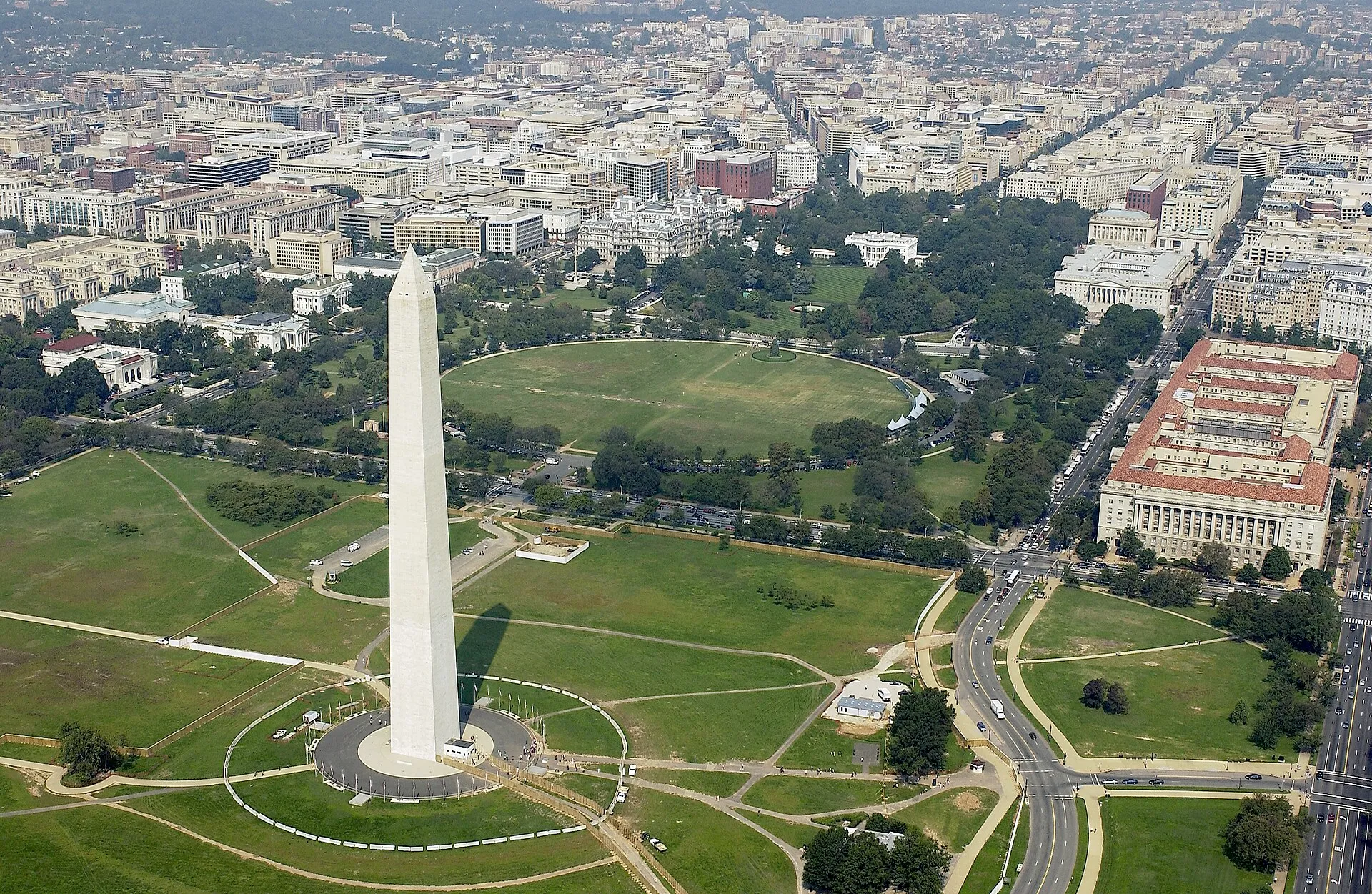
Washington DC
Free museums, marble memorials and the long green Mall between the Lincoln Memorial and the Capitol.
Explore Washington DC →

United States
Nashville
Honky-tonks on Broadway, a full-size Parthenon in the park, and more museums than one music weekend can hold.
Explore Nashville →