
North America
Canada travel guide
Canada is huge, so most visitors pick one region. Montreal, in French-speaking Quebec, mixes European-style old streets with North American city life.
Canada at a glance
- Currency
- Canadian dollar (CAD, $). Cards and contactless work almost everywhere. Shop and restaurant prices usually don't include sales tax (5% GST plus 9.975% QST), and tipping is expected in restaurants.
- Language
- French is the official language of Quebec. Downtown and in the tourist areas most people speak English too, and a 'bonjour' first goes down well.
- Plugs
- Type A and B, 120 V, the same as the US. Bring an adapter, and check that your chargers handle 120 V.
- Emergency number
- 911
- Entry
- Most visa-exempt travellers flying to Canada need an eTA (electronic Travel Authorization) before they board; US citizens don't. Check canada.ca for your passport before you travel.
- Getting around
- VIA Rail trains link Montreal with Quebec City, Ottawa and Toronto. Check viarail.ca for routes and fares.
City guides for Canada
Canada
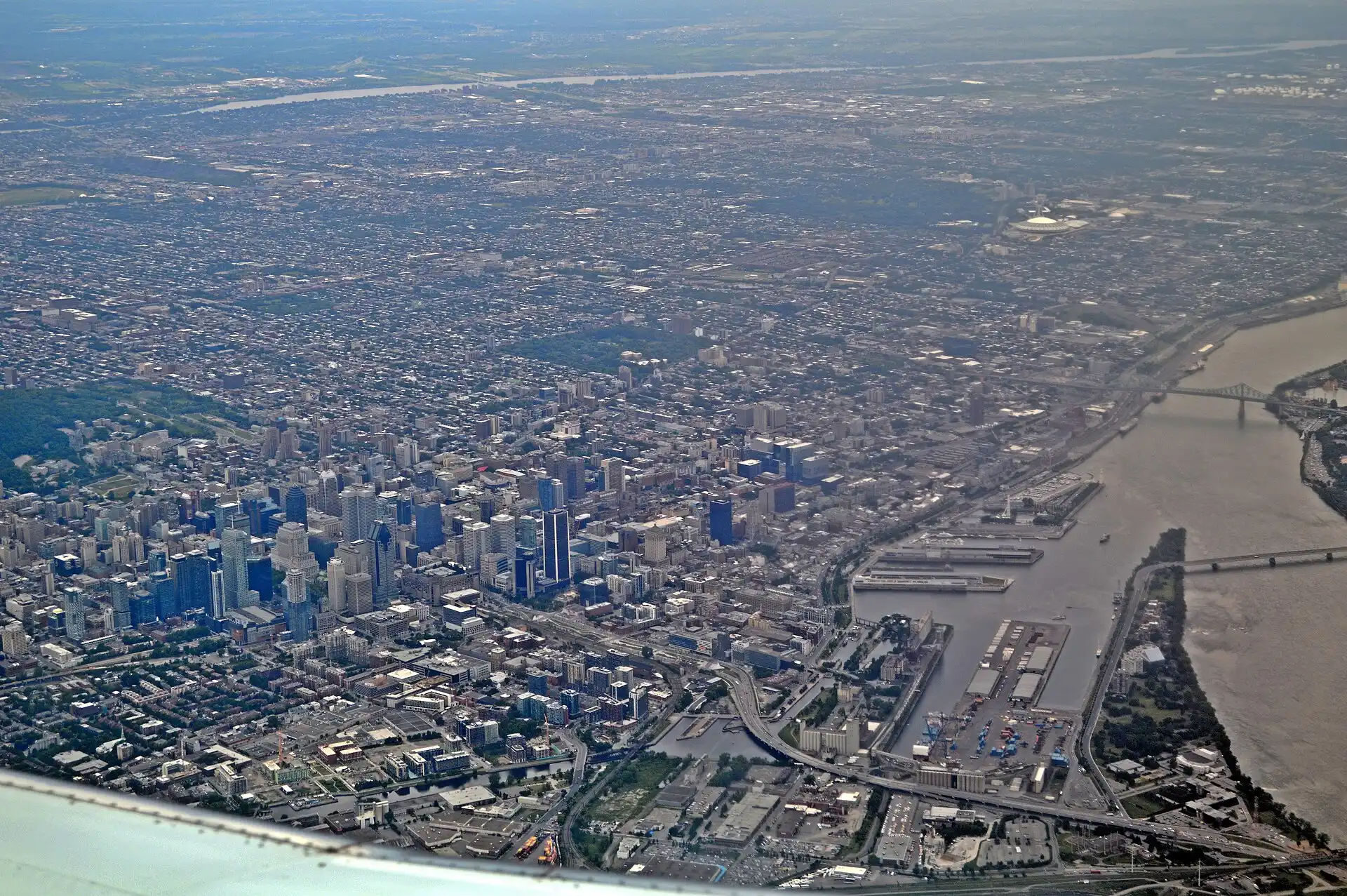
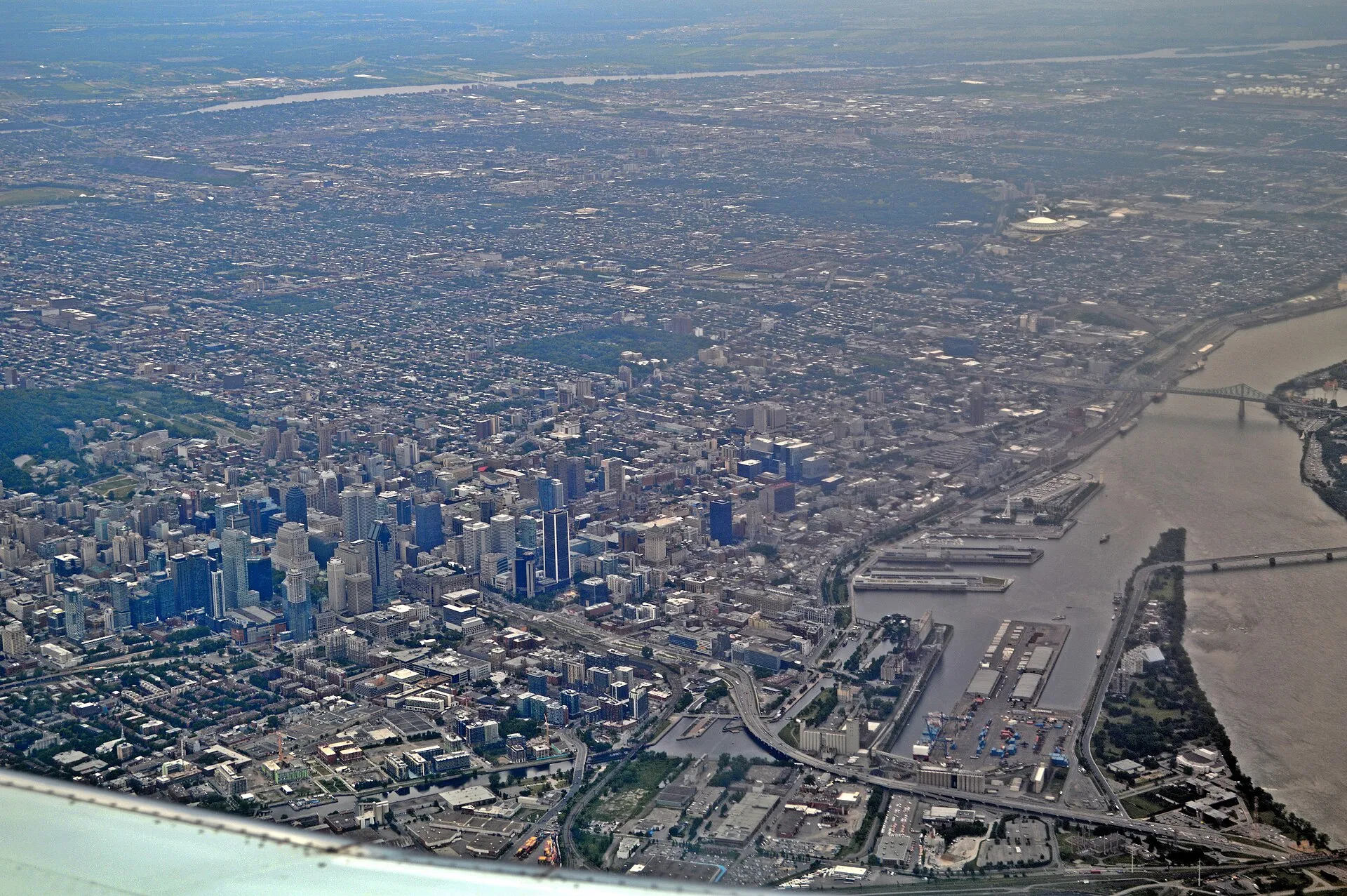
Montreal
Cobblestones in Old Montreal, bagels in Mile End and a mountain right in the middle of town.
Explore Montreal →
Canada
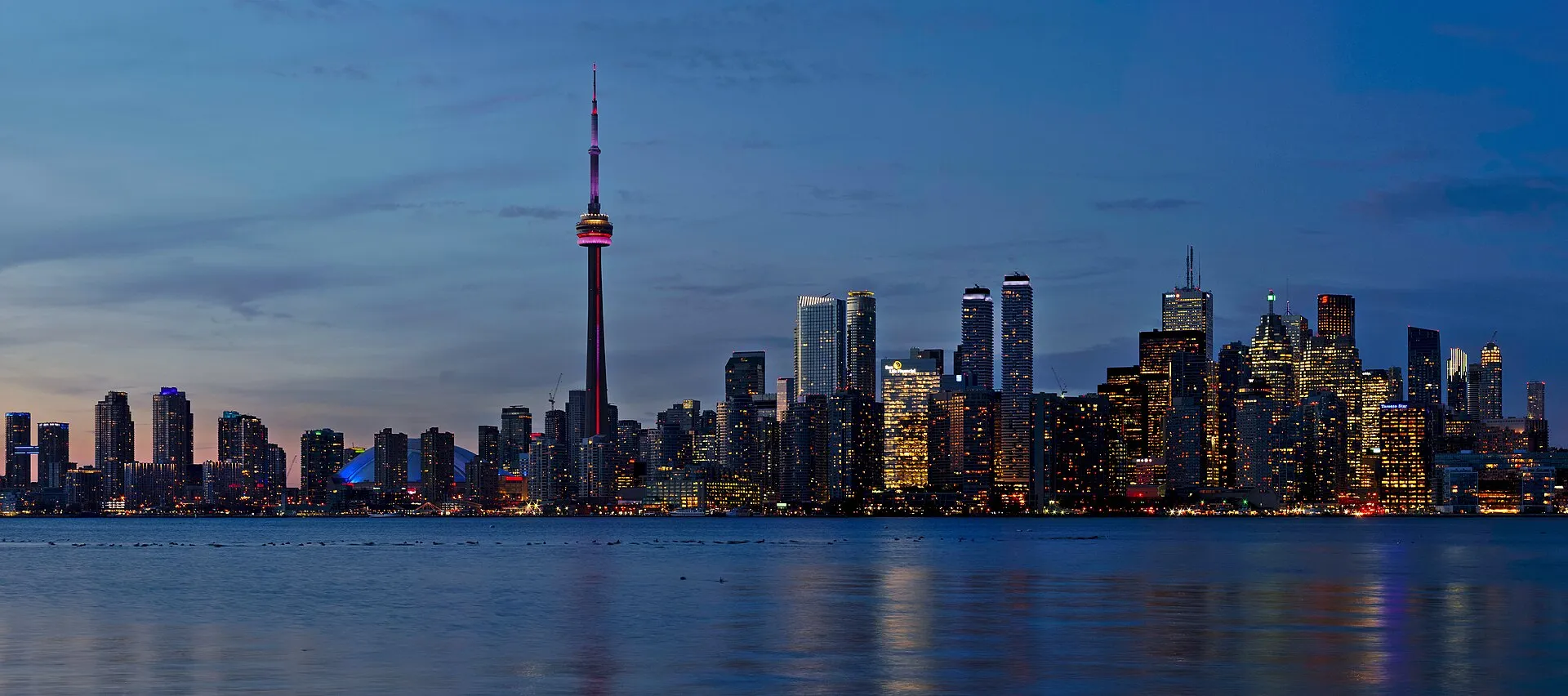
Toronto
The CN Tower, a market that opens at 5am on Saturdays and a ferry ride to islands with the best skyline view in town.
Explore Toronto →
Canada
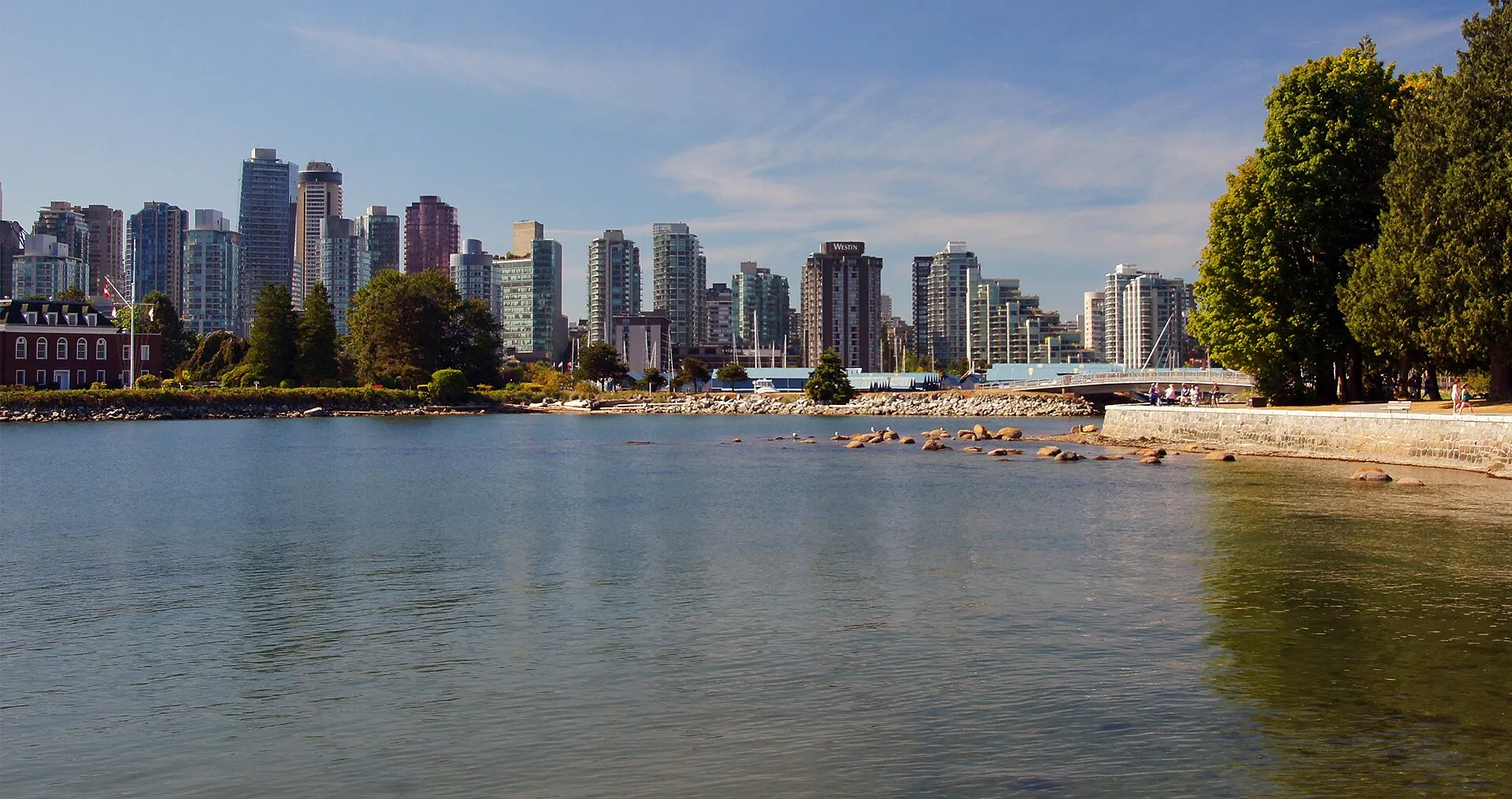
Vancouver
Mountains behind the towers, a seawall around Stanley Park and a market on an island under a bridge.
Explore Vancouver →
Canada
Quebec City
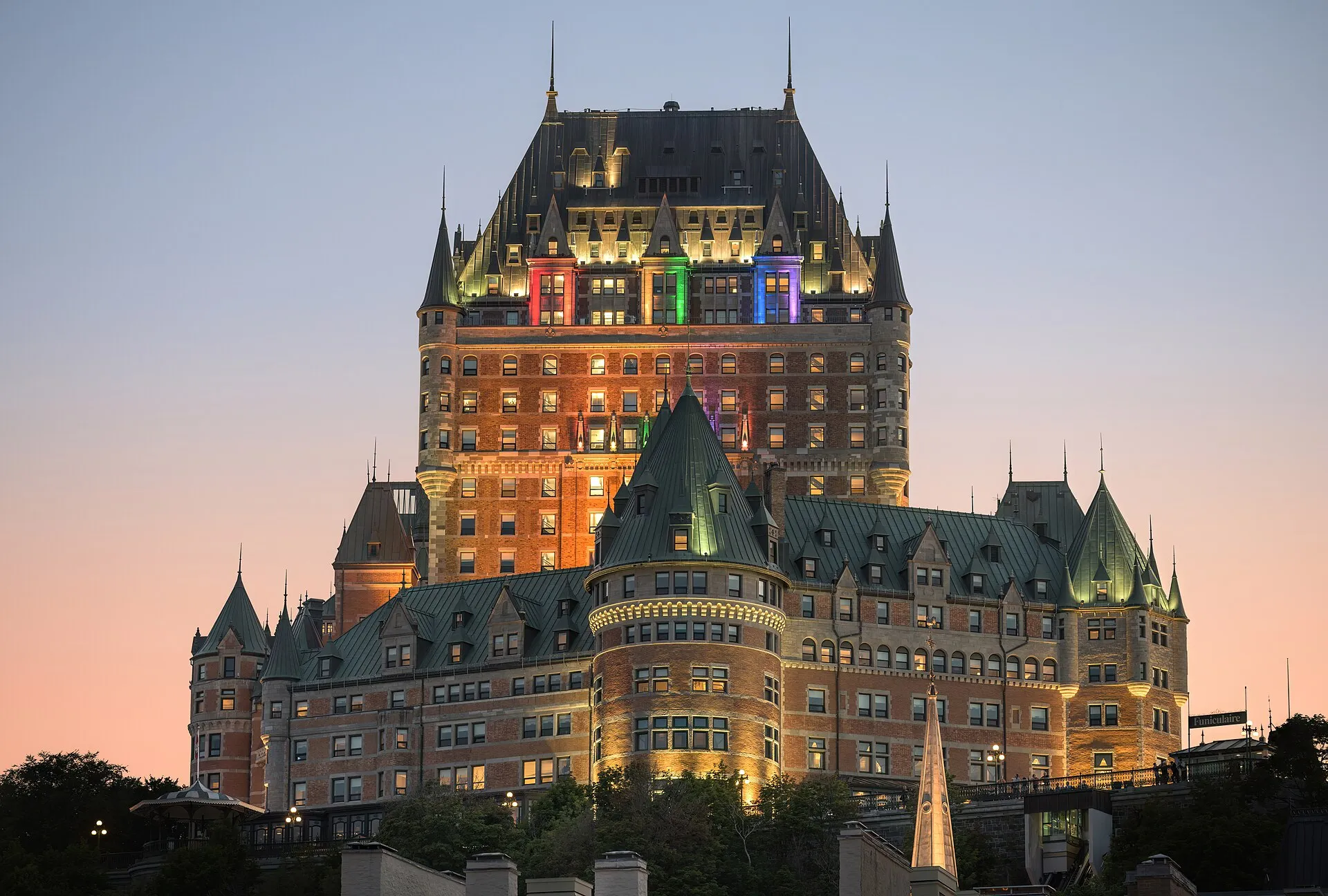
A walled French-speaking city on a cliff above the St. Lawrence, with a castle hotel and a Lower Town of stone streets.
Explore Quebec City →
Montreal
Montreal is the biggest French-speaking city in North America, and you notice it straight away: the signs, the cafés, the way people switch between French and English mid-sentence. The old town by the river dates back to 1642 and is easy to explore on foot. Downtown sits between the river and Mount Royal, the hill that gave the city its name, and the Plateau and Mile End are where people actually live and eat. Plan three days. Prices in this guide were checked on official sites on 31 October 2026.
If you only have one day in Montreal
- Old Montreal (Vieux-Montréal): This is where the city started in 1642, and the streets still follow the old layout. Rue Saint-Paul is Montreal's oldest street, Place d'Armes and Place Jacques-Cartier are the big squares, and the whole district is walkable in an afternoon.
- Notre-Dame Basilica: The Gothic Revival church on Place d'Armes was finished in 1829 and was the largest church in North America for more than fifty years. The inside is the reason to go: a deep blue ceiling with gold stars and a Casavant organ from 1891 with about 7,000 pipes.
- Old Port and La Grande Roue: The old harbour along the St. Lawrence is now a long promenade with the Clock Tower, an urban beach and La Grande Roue, a 60-metre Ferris wheel with enclosed cabins.
- Mount Royal and the Kondiaronk Belvedere: The hill the city is named after. Walk up through the park to the Kondiaronk Belvedere by the chalet and you get the classic view over downtown towards the river.
- Best time to go
- Late spring to early autumn is easiest for walking. Summer is festival season. Winter is very cold and snowy, but the Underground City and the museums make it doable.
- From the airport
- The 747 bus runs 24/7 between the airport and downtown. It costs $11.25, and that ticket is also a 24-hour pass for the bus, métro and REM in Zone A (stm.info, checked 31 October 2026). Pay with exact coins on board or buy at door 28.
Toronto
Toronto is Canada's biggest city, and it doesn't try very hard to impress you at first sight. Give it a couple of days and it opens up: a market that's been on the same corner since the 1800s, Victorian factory streets turned into cafés, neighbourhoods where you hear five languages on one block, and a ten-minute ferry to car-free islands in Lake Ontario. Downtown is walkable and the subway and streetcars cover the rest. Three days is a good first visit, four if you add Niagara Falls. Prices in this guide were checked on official sites on 3 November 2026.
If you only have one day in Toronto
- CN Tower: The tower is 553 metres tall and was the tallest freestanding structure in the world for over 30 years. The Main Observation Level is 346 metres up, with a glass floor you can stand on, and The Top is 33 storeys higher still.
- St Lawrence Market: Toronto's main food market, with butchers, bakers, cheese counters and the city's best-known sandwich, peameal bacon on a bun. On Saturdays the farmers' market across the street opens at 5am.
- The Distillery District: The old Gooderham & Worts whisky distillery, a set of red-brick Victorian factory buildings now full of galleries, cafés and shops. The streets are cobbled and car-free, and in winter there's a Christmas market.
- Toronto Islands: A chain of small islands a short ferry ride from downtown, with beaches, bike paths and almost no cars. Even if you do nothing else there, the view back at the skyline from Centre Island is worth the ride.
- Best time to go
- Late May to early October for the islands, patios and festivals. Winter is cold and snowy but the PATH underground walkways, the museums and the skating rink at Nathan Phillips Square keep it busy.
- From the airport
- The UP Express train runs from Pearson Terminal 1 to Union Station in about 25 minutes. An adult one-way fare is $9.25 with a PRESTO card (upexpress.com, checked 3 November 2026).
Vancouver
Vancouver sits between the Pacific and the Coast Mountains, and on a clear day the snow-capped peaks look close enough to touch from downtown. The city itself is young and compact: Gastown, the oldest part, only dates from the 1860s. What people come for is the mix. You can walk the seawall around Stanley Park in the morning, eat your way through Granville Island at lunch and be on a mountain by late afternoon. It rains a lot from November to March, so pack a proper jacket. Three days is a good first visit. Prices in this guide were checked on official sites on 3 November 2026.
If you only have one day in Vancouver
- Gastown and the Steam Clock: Vancouver's oldest neighbourhood, named after 'Gassy' Jack Deighton, who opened a saloon here in 1867. The cobbled streets and old brick buildings now hold restaurants and shops, and the Steam Clock on Water Street whistles on the quarter hour.
- Canada Place and the waterfront: The cruise terminal with white sail-like roofs, and a promenade that runs west past the Olympic Cauldron from the 2010 Winter Games into Coal Harbour. Seaplanes land and take off right in front of you.
- Stanley Park and the Seawall: A huge forested park at the end of the downtown peninsula, bigger than Central Park in New York. The Seawall path runs right around it along the water, with mountain views on one side and the city on the other.
- Granville Island: An old industrial area under the Granville Street Bridge, now home to a big public market, artists' studios, a brewery and a theatre. Come hungry: the market is where you'll find the best lunch in the city.
- Best time to go
- June to September is the driest and warmest. Spring and autumn are milder and quieter. From November to March it rains often, though the city rarely gets cold enough for snow, and the local mountains open for skiing.
- From the airport
- The Canada Line SkyTrain runs from the airport to Waterfront station downtown in about 25 minutes. Trips starting at the airport add a $6.50 YVR AddFare to the normal fare; on weekdays that's a 2-zone fare of $5.10 with a tapped card, so $11.60 in total (translink.ca, checked 3 November 2026).
Quebec City
Quebec City feels unlike anywhere else in North America. The old town is walled, French-speaking and split in two by a cliff. Up top are the Château Frontenac, the Dufferin Terrace and the star-shaped Citadelle. Down below, Place Royale marks where Champlain founded the city in 1608, and the Petit-Champlain lane runs under the rock. Old Québec has been on the UNESCO list since 1985. Two days covers it, with a third for Montmorency Falls. Winters are long and cold, but that’s part of the draw: the German Christmas market runs from 19 November to 23 December 2026 (Thursday to Sunday, plus 21–23 December), and the Carnaval follows in winter.
If you only have one day in Quebec City
- Parliament Building (Hôtel du Parlement): The Second Empire home of the National Assembly, built from 1877 to 1886 by Eugène-Étienne Taché. Statues of figures from Québec’s history fill the niches. Above the main door, Taché had the motto ‘Je me souviens’ (‘I remember’) carved in 1883; it’s now on every Québec licence plate.
- Saint-Louis Gate and the city walls: One of the four gates in Québec’s walls. The first gate here dates from 1693; the present one was built in 1878–81, when Governor General Lord Dufferin pushed to save the walls instead of pulling them down.
- Château Frontenac: The castle-like hotel on the cliff, built in 1892–93 by the Canadian Pacific Railway to a design by the New York architect Bruce Price. It’s often called the most photographed hotel in the world, and it’s the reason Québec’s skyline looks like nowhere else in North America.
- Dufferin Terrace: A long boardwalk along the cliff edge in front of the Château, opened in 1879, with the St. Lawrence below. Under part of it lie the remains of the old Saint-Louis forts and governors’ château. In winter, a toboggan run at the south end opens for the Carnaval season.
- Rue du Trésor: A short lane between the Château and the cathedral where artists hang their paintings and prints on the walls, every day from mid-May to mid-October. The name comes from the old treasury office people had to pass to pay their dues.
- Notre-Dame de Québec Basilica-Cathedral: Québec’s Catholic cathedral, rebuilt more than once after fires and sieges, with a richly gilded interior.
- Quartier Petit-Champlain and the Breakneck Stairs: A narrow lane of shops and restaurants under the cliff. You reach it down the Breakneck Stairs (Escalier Casse-Cou), the city’s oldest stairway, built in 1635. Or take the funicular, which has linked the Upper and Lower Town since 1879.
- Place Royale: This is where Samuel de Champlain built his Habitation in 1608, the start of Québec. The little stone church of Notre-Dame-des-Victoires was begun here in 1687. Round the corner, the Fresque des Québécois, a 420-square-metre trompe-l’œil mural, paints the city’s history on a blank wall.
- Québec–Lévis ferry: The public ferry across the St. Lawrence to Lévis. It’s transport, not a tour, which is why it’s the cheapest way to see the Château Frontenac and the cliff from the water.
- Best time to go
- June to October for walking and the riverside. December for the Christmas market and snow; late January to mid-February for the Carnaval.
- From the airport
- RTC bus 80 runs from the airport towards downtown, and route 76 to Sainte-Foy; both connect with the frequent 800 and 801 routes into the centre. A single fare is $3.85 with a ticket or $4 cash (RTC, checked 13 November 2026). Taxis are quicker.
Canada travel FAQ
Which city in Canada should I visit first?
Montreal: Cobblestones in Old Montreal, bagels in Mile End and a mountain right in the middle of town. Toronto: The CN Tower, a market that opens at 5am on Saturdays and a ferry ride to islands with the best skyline view in town. Vancouver: Mountains behind the towers, a seawall around Stanley Park and a market on an island under a bridge. Quebec City: A walled French-speaking city on a cliff above the St. Lawrence, with a castle hotel and a Lower Town of stone streets.
What currency does Canada use?
The Canadian dollar (CAD). Cards and contactless payment are accepted almost everywhere.
Which plugs does Canada use?
Type A and B, 120 V, the same as the US. Bring an adapter if you're coming from Europe.
Travelling to Canada?
Heads-up: this page contains affiliate links. If you book or buy through them we may earn a small commission at no extra cost to you. It never changes our picks. How we make money.