
Europe
Estonia travel guide
Estonia is the northernmost of the three Baltic states, with a long coast, islands, bogs and forest, and a capital with one of Europe’s best-kept medieval old towns. It joined the EU and NATO in 2004 and has used the euro since 2011.
Estonia at a glance
- Currency
- Euro (EUR). Cards and contactless payment are accepted almost everywhere.
- Language
- Estonian. English is widely spoken, especially by younger people and in hotels, cafés and museums.
- Plugs
- Type C and F, 230 V. Visitors from the UK and North America need an adapter.
- Emergency number
- 112
- Entry
- Estonia is in the Schengen Area and the EU. Visitors from many countries can stay up to 90 days in any 180 without a visa; check the rules for your passport before you travel.
- Getting around
- Ferries link Tallinn with Helsinki and Stockholm, and long-distance buses run to Riga and Vilnius. Trains (elron.ee) serve Tartu and other Estonian towns.
City guides for Estonia
Tallinn
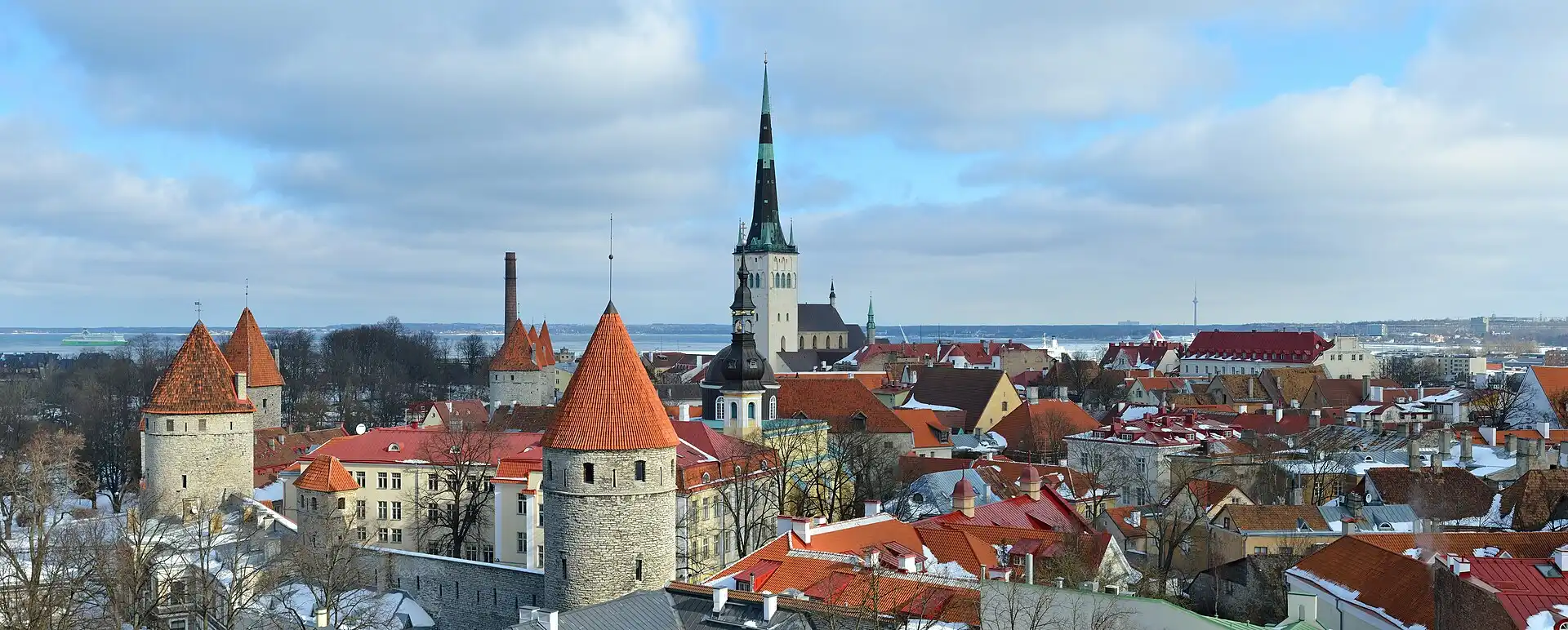
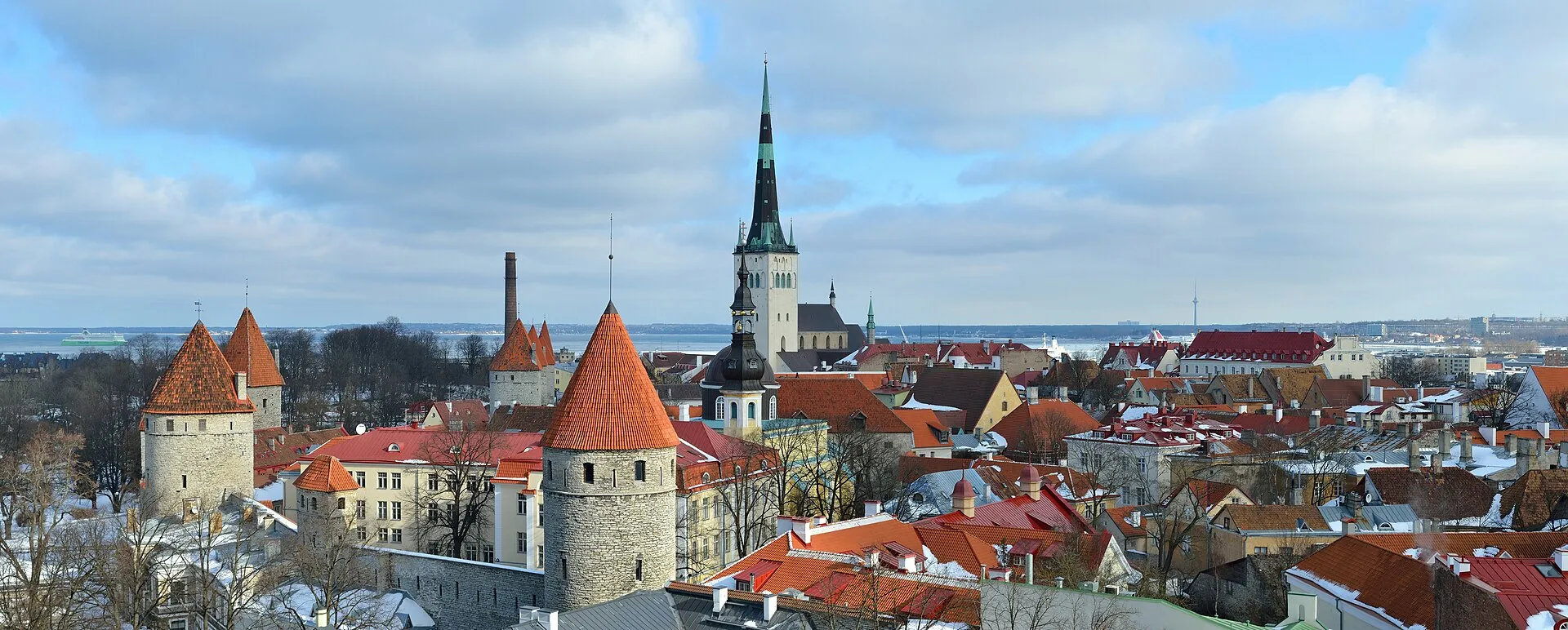
Tallinn’s Old Town is one of the best-preserved medieval town centres in northern Europe, and it’s been a UNESCO World Heritage site since 1997. Long stretches of the town wall still stand, with their towers, and the lanes between Viru Gate and Town Hall Square look much as the Hanseatic merchants left them. Above the lower town sits Toompea, the hill of the old nobility, with its cathedral, the pink parliament building and two viewing platforms over the roofs. Most of it fits in a day on foot. In winter there’s an extra reason to come: the Christmas market on Town Hall Square runs from 20 November 2026 to 6 January 2027, open daily 10:00–20:00.
If you only have one day in Tallinn
- Viru Gate: Two round towers with pointed roofs mark the eastern way into the Old Town. They were the outer part of a bigger gate in the town wall. Today they frame Viru Street, the busy walk up to Town Hall Square.
- Town Hall Square: The square under the Gothic town hall has been Tallinn’s market place since the Middle Ages. The town hall was finished in 1404, and the soldier on the weather vane at the top of its spire is called Old Thomas (Vana Toomas). Look for the Town Hall Pharmacy on the corner; it was first mentioned in 1422 and still sells medicine.
- St Catherine’s Passage: A narrow lane between Vene and Müürivahe streets, running along the wall of the old Dominican monastery church. Medieval gravestones are set into the wall, and small craft workshops open onto the lane.
- Church of the Holy Spirit: A small white Gothic church a few steps from Town Hall Square. Outside hangs a big carved clock, the oldest public clock in Tallinn. It started out as the chapel of the town hall and later served the poor house next door.
- St Olaf’s Church: Its spire made it one of the tallest buildings in the world in the 1500s, and lightning hit it many times. The tower still dominates the skyline. In summer you can climb to a viewing platform halfway up.
- Toompea Hill and Alexander Nevsky Cathedral: The upper town on the limestone hill was home to the nobles and the bishop. Facing each other on Castle Square are the onion-domed Alexander Nevsky Cathedral, finished in 1900 under Russian rule, and the pink baroque front of Toompea Castle, where Estonia’s parliament sits. The national flag flies from the Tall Hermann tower behind it.
- Kohtuotsa and Patkuli viewing platforms: Two terraces on the edge of Toompea look out over the red roofs, the spire of St Olaf’s and the harbour. Kohtuotsa faces the lower town; Patkuli looks north towards the sea and the town wall.
- Kiek in de Kök and the bastion passages: The name is Low German for ‘peek into the kitchen’: from the top of this cannon tower, the guards could look into the kitchens of the houses below. The museum covers the tower, three more towers on the wall, and tunnels dug inside the bastions in the 17th and 18th centuries.
- Best time to go
- June to August for long, light evenings. Late November to early January for the Christmas market on Town Hall Square. January to March is cold and dark, and the Baltic wind bites.
- From the airport
- Tram 4 runs from the airport into the centre. Tap a contactless bank card on the validator for a 1-hour ticket (€2, City of Tallinn, checked 19 November 2026).
Estonia travel FAQ
How many days do I need in Tallinn?
One full day covers the Old Town and Toompea. Two days lets you add Kadriorg, Kalamaja and the harbour museums.
What currency does Estonia use?
The euro (EUR). Cards and contactless payment are accepted almost everywhere.
Which plugs does Estonia use?
Type C and F, 230 V. Bring an adapter if you’re coming from the UK or North America.
Travelling to Estonia?
Heads-up: this page contains affiliate links. If you book or buy through them we may earn a small commission at no extra cost to you. It never changes our picks. How we make money.