
Europe
France travel guide
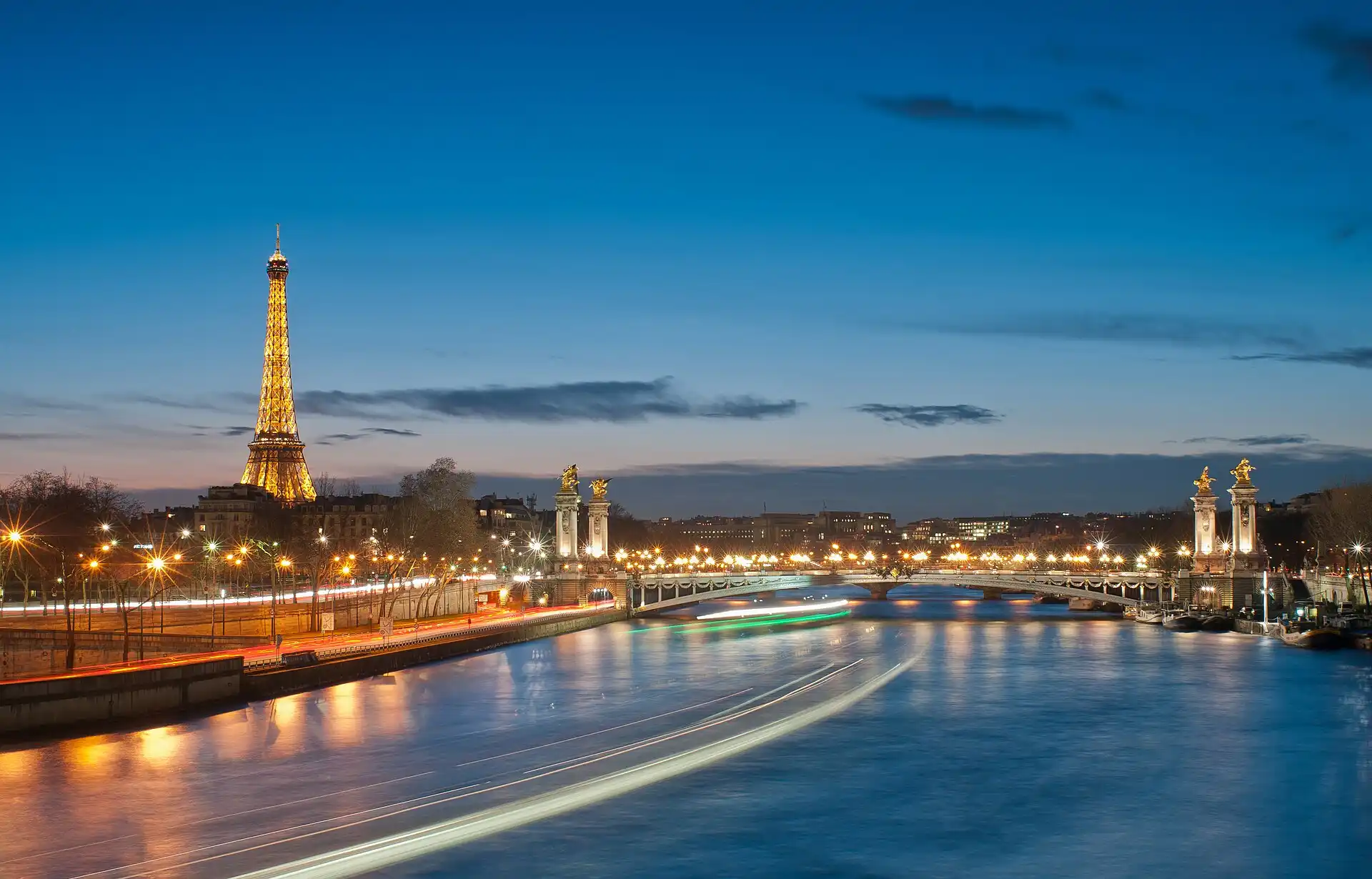
France is the world’s most visited country, with Paris, the castles of the Loire, Provence, the Alps and the Riviera. Paris is the hub: high-speed trains reach most big cities in a few hours.
France at a glance
- Currency
- Euro (€). Cards and contactless payment are accepted almost everywhere.
- Language
- French. English is common in hotels and at the big sights; a ‘bonjour’ when you walk into a shop goes a long way.
- Plugs
- Type C and E, 230 V.
- Emergency number
- 112
- Entry
- Part of the Schengen area. Check official entry rules for your passport before you travel.
- Getting around
- SNCF TGV high-speed trains link Paris with Lyon, Marseille, Bordeaux and Strasbourg, and Eurostar runs to London and Brussels. Check sncf-connect.com for routes and fares.
City guides for France
France
Paris
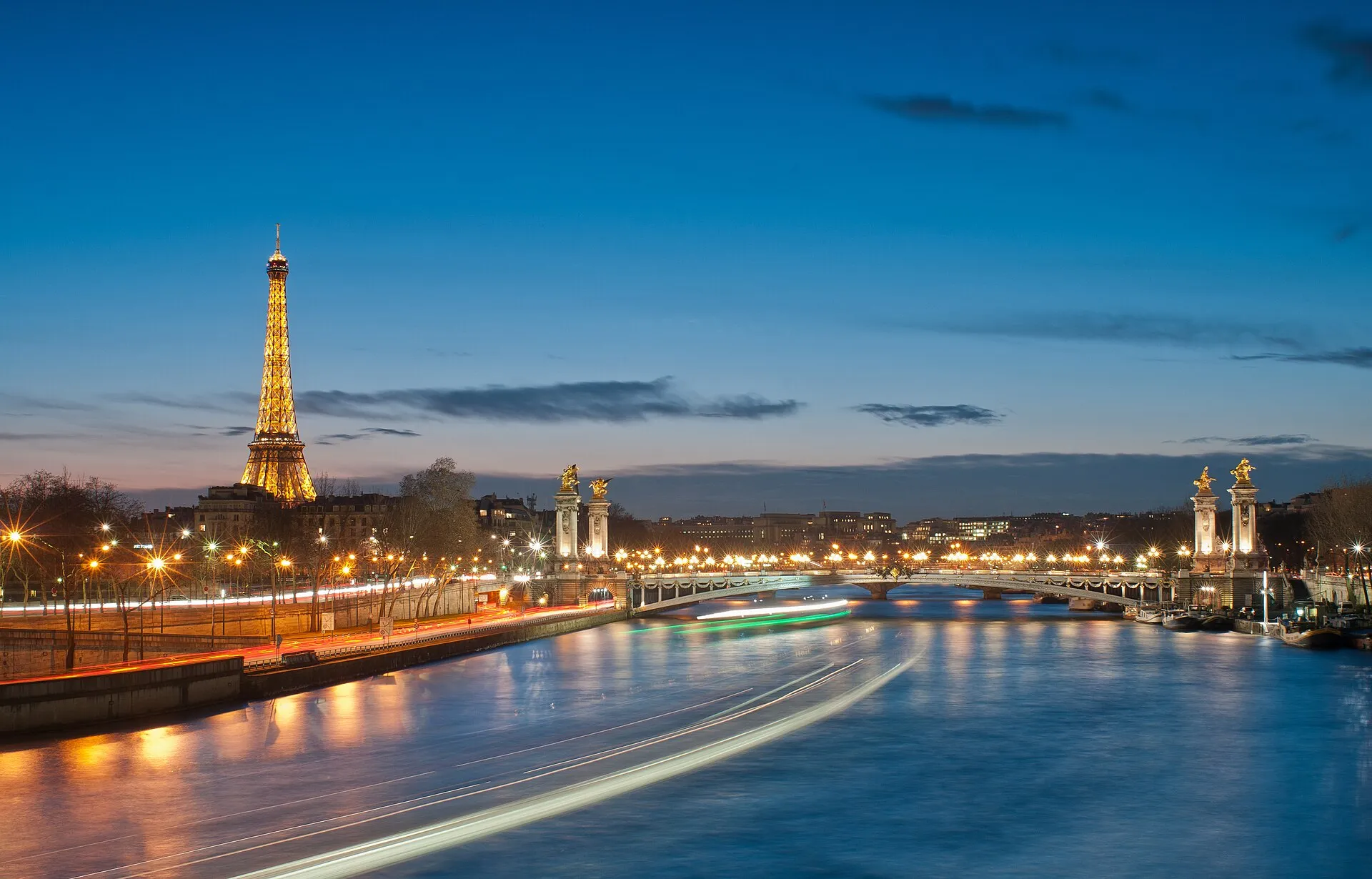
The Eiffel Tower, the Louvre, Notre-Dame reborn and long walks along the Seine.
Explore Paris →
France
Bordeaux
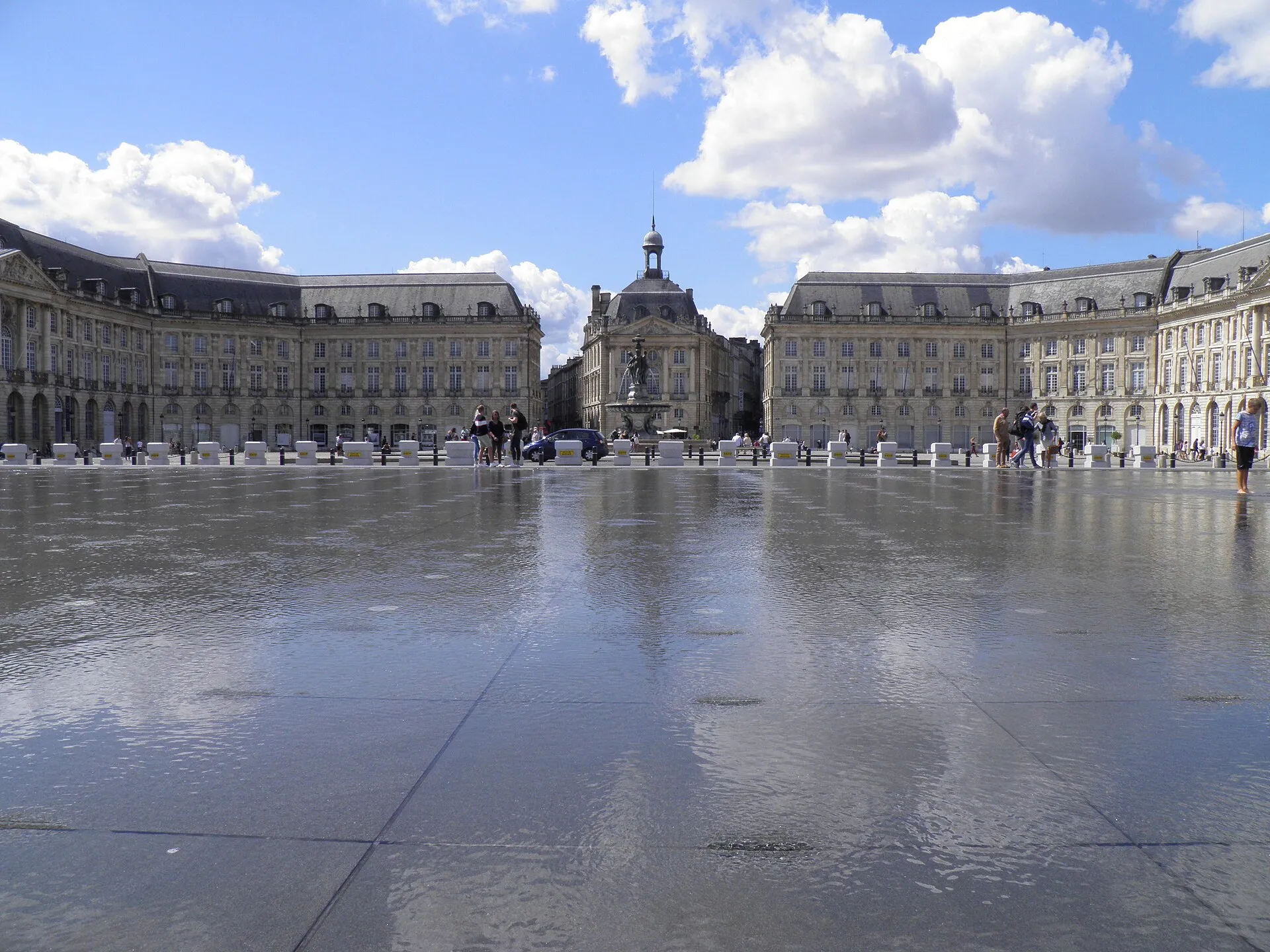
Honey-coloured 18th-century streets, a river quay made for walking, and wine country a short train ride away.
Explore Bordeaux →
France
Strasbourg
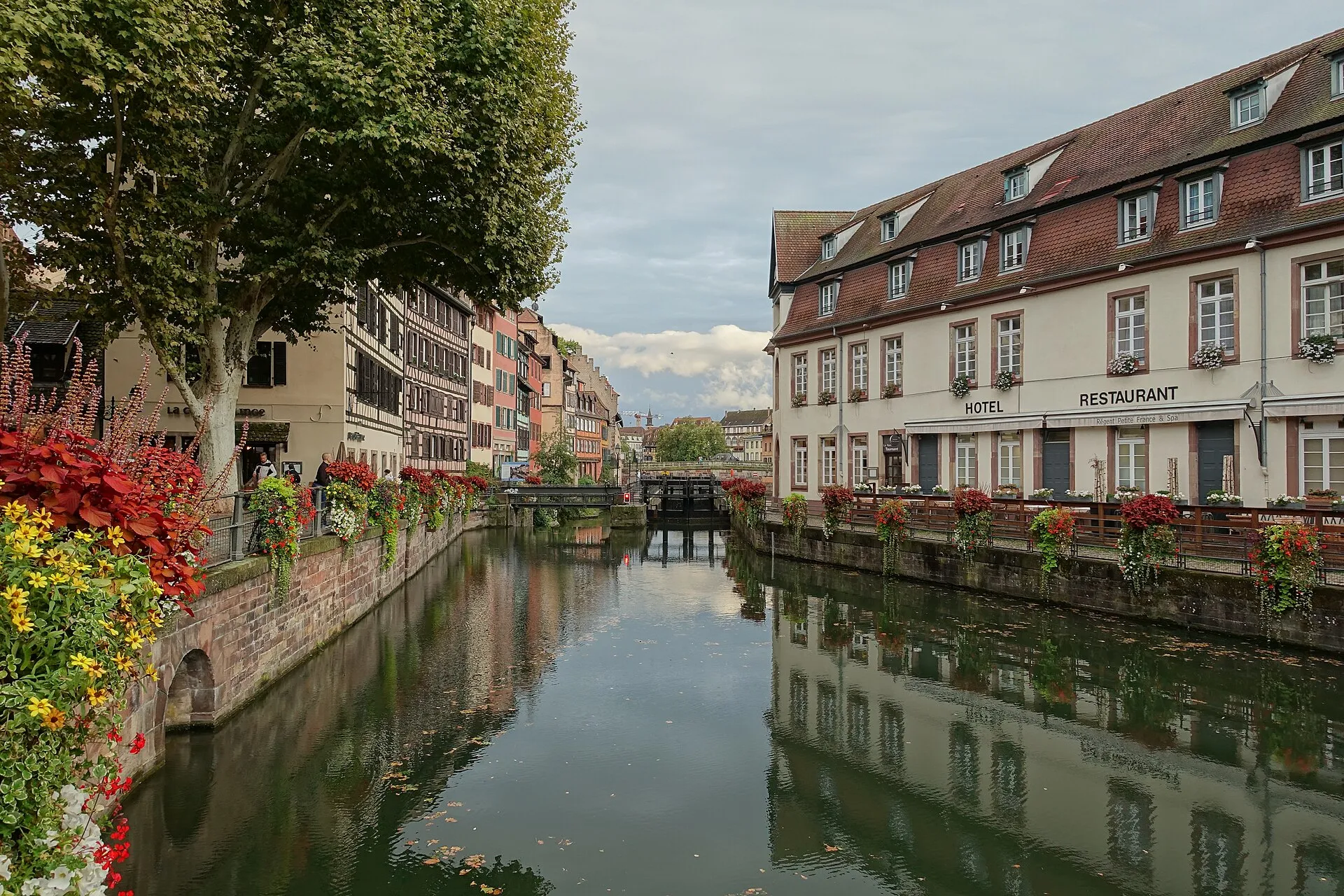
A pink sandstone cathedral, half-timbered houses on the canals, and one of Europe’s oldest Christmas markets.
Explore Strasbourg →
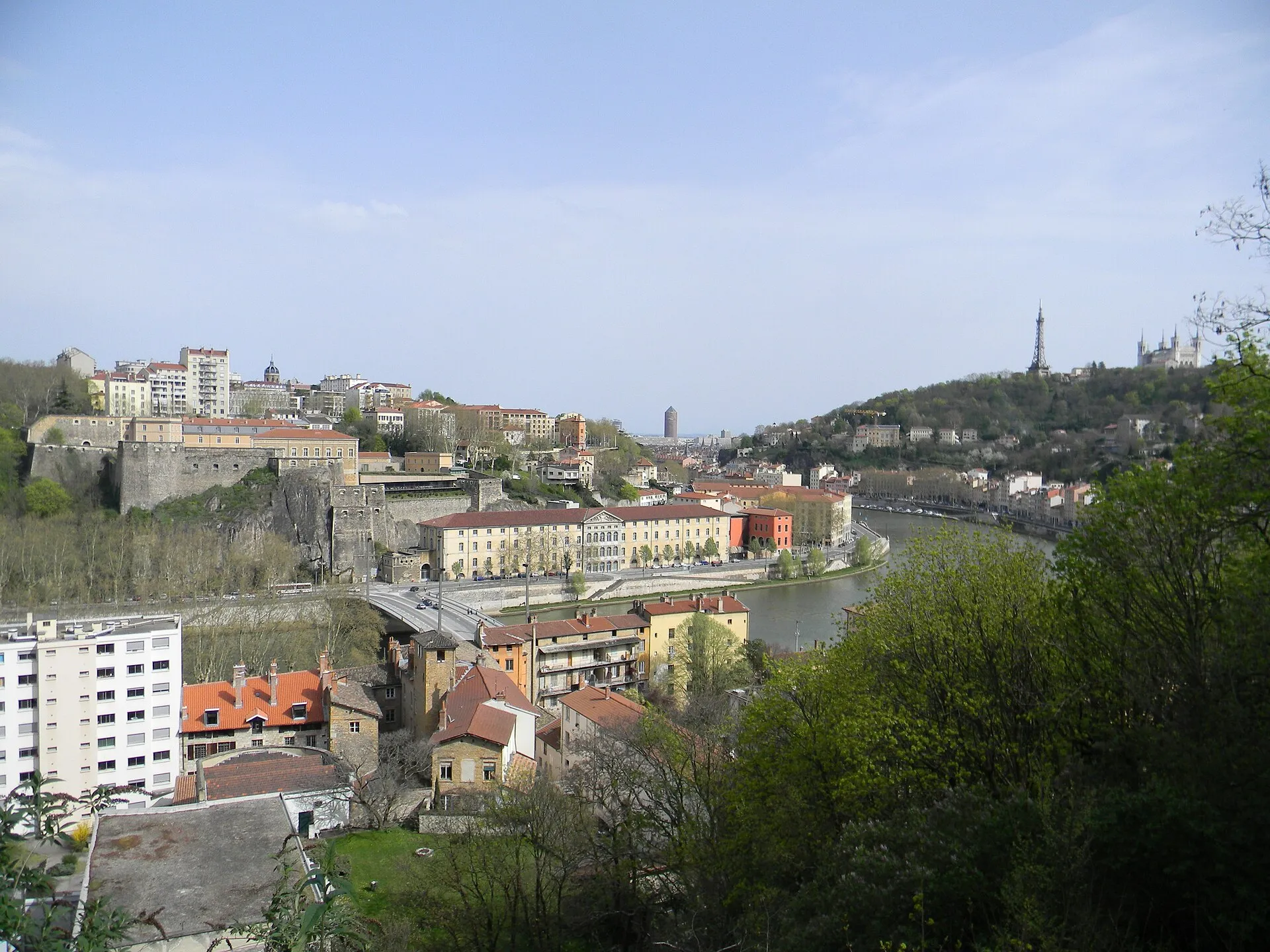
France
Lyon
Two rivers, a Roman hill, secret passageways and the best-known food city in France.
Explore Lyon →
Paris
Paris means the Eiffel Tower, the Louvre and Notre-Dame, which reopened in December 2024. Walk the centre along the Seine: from the Île de la Cité past the Pont Neuf and the Louvre, through the Tuileries to the Place de la Concorde. Then add the impressionists at the Musée d’Orsay, the view from Montmartre, the lanes of the Marais and a day at Versailles. We checked prices on official sites in October 2026. Heads-up: several big sights now charge visitors from outside the European Economic Area (EEA) more.
If you only have one day in Paris
- Notre-Dame Cathedral: The Gothic cathedral, begun in 1163, reopened in December 2024 after the fire of 2019 and its restoration. On the square in front, a bronze star marks Point Zéro, from where road distances in France are measured.
- Sainte-Chapelle: A royal chapel built for King Louis IX and consecrated in 1248 to hold relics including the Crown of Thorns. The upper chapel is almost all stained glass: walls of coloured light on a sunny day.
- Louvre Museum: The world’s most visited art museum, in a former royal palace, with the Mona Lisa, the Venus de Milo and the Winged Victory of Samothrace. The glass pyramid by I. M. Pei has been the main entrance since 1989.
- Eiffel Tower: Gustave Eiffel’s iron tower was built for the 1889 World’s Fair and is still the symbol of Paris. Lifts and stairs take you to the second floor, and a second lift goes on to the top, 276 m above the city.
- Best time to go
- April–June and September–October. Summer is busy and can be hot; winter is grey but quieter, with Christmas lights.
- From the airport
- The ‘Paris Région <> Airports’ ticket costs €14 and covers the RER B from Charles de Gaulle and the metro/Orlyval links from Orly to the city (ratp.fr, 2026). Taxis also run to the centre.
Bordeaux
Bordeaux is a walking city. The old centre, a UNESCO World Heritage Site since 2007, runs along a bend in the Garonne, and you can cross it on foot in half an hour: from the Place de la Bourse and its reflecting pool, through the lanes of Saint-Pierre, to the cathedral and the Pey-Berland tower. Rue Sainte-Catherine, one of the longest pedestrian shopping streets in Europe, cuts through the middle. Further north along the quays sit the Chartrons, the old wine merchants’ district, and the Cité du Vin. Trams are cheap (€1.90 a ride) and now run all the way to the airport. And most visitors give a day to the vineyards: Saint-Émilion is about 35 minutes away by train.
If you only have one day in Bordeaux
- Place de la Bourse and the Miroir d’eau: The 18th-century square opens onto the river, and in front of it lies the Miroir d’eau, a huge, thin sheet of water that reflects the façades and every so often turns into mist. Children run through it in summer. So do adults.
- Saint-Pierre quarter: The tangle of lanes behind the Bourse, with the Place du Parlement, Place Saint-Pierre and the Porte Cailhau gate. Cafés spill onto the squares and this is where most people end up eating in the evening.
- Grosse Cloche: The belfry of Bordeaux’s old town hall, a medieval gate with two round towers and a big bell in the middle. It sits on the rue Saint-James, part of the pilgrims’ route to Santiago.
- Cathédrale Saint-André and Tour Pey-Berland: The cathedral where Eleanor of Aquitaine married the future Louis VII in 1137, and its free-standing bell tower. Climb the 231 steps of the tower for two terraces, at 40 and 50 metres, over the city’s roofs.
- Rue Sainte-Catherine: About 1.2 km of pedestrian shopping street, from Place de la Comédie to Place de la Victoire. Chains at the north end, cheaper and studentier toward Victoire.
- Grand Théâtre: Victor Louis’s neoclassical opera house from 1780, with twelve columns and twelve statues along the front: nine muses and three goddesses. Guided tours of the interior run on set dates.
- La Cité du Vin: A wine museum in a curved, gleaming building on the river. Interactive rooms about wine around the world, and a glass of wine at the Belvédère on the 8th floor with a view over the city. Allow two to three hours.
- Best time to go
- May to October. September and October bring the harvest around the vineyards. Winter is mild but grey; the Christmas market on the Allées de Tourny runs from late November into December.
- From the airport
- Tram line F runs from the airport to the city centre (Hôtel de Ville) in about 35 minutes and on to Gare Saint-Jean, for a normal €1.90 TBM ticket. The 30’Direct shuttle runs non-stop to Gare Saint-Jean for €9 online or €10 on board (checked 7 November 2026).
Strasbourg
Strasbourg’s old centre sits on an island in the River Ill, the Grande Île, and in 1988 it became the first entire city centre on the UNESCO World Heritage list. You can cross it on foot in 20 minutes. The cathedral dominates everything: pink sandstone, one spire, 142 metres high, and from 1647 to 1874 the tallest building in the world. West of it the Petite France packs half-timbered tanners’ houses along the canals, with the medieval Ponts Couverts and the Barrage Vauban at the end. The city has held its Christmas market since 1570, and the 2026 edition runs from 27 November to 24 December. Come in December and you’ll share the streets with crowds. Come any other time and it’s calmer, and just as nice to walk.
If you only have one day in Strasbourg
- Strasbourg Cathedral and the platform: Building finished in 1439 after more than four centuries. The single 142-metre spire made it the tallest building in the world from 1647 to 1874. Inside are rose windows and the astronomical clock; outside you can climb 330 steps to a platform at 66 metres.
- Astronomical clock: The current clock dates from 1843, built by Jean-Baptiste Schwilgué. Every day at 12:30 the apostles parade past Christ and a life-size rooster crows. It also shows a perpetual calendar, the planets and eclipses.
- Maison Kammerzell: One of the most ornate medieval houses anywhere on the Rhine. Built in 1427 and remodelled in 1467 and 1589, it’s covered in carved wooden figures. It’s a restaurant now, with frescoes by Léo Schnug on every floor.
- Palais Rohan: The 1730s Baroque palace of the prince-bishops, by Robert de Cotte. Louis XV, Marie Antoinette and Napoleon all stayed here. It now holds three museums: archaeology, decorative arts and fine arts.
- Petite France: The old quarter of tanners, millers and fishermen, where the Ill splits into channels. Half-timbered houses lean over the water, and the Maison des Tanneurs on Rue du Bain-aux-Plantes is the one on every postcard.
- Ponts Couverts and Barrage Vauban: The Ponts Couverts are three bridges and four towers from the 13th century; their wooden roofs went in 1784 but the name stuck. Just upstream, the Barrage Vauban (1686–1690) could flood the land south of the city to stop an attack. Its roof terrace has the best free view of the Petite France.
- Église Saint-Thomas: Strasbourg’s main Protestant church, nicknamed the ‘Protestant cathedral’. Mozart played its 1741 Silbermann organ in 1778, and inside stands the huge Baroque tomb of Marshal Maurice de Saxe by Pigalle.
- Place Kléber: The main square, named after General Jean-Baptiste Kléber, born in Strasbourg in 1753. His statue stands over a vault with his remains. In December the city’s Great Christmas Tree goes up here.
- Best time to go
- May to September for long, warm days, or late November to 24 December for the Christmas market (book hotels early). January and February are cold and quiet.
- From the airport
- A shuttle train runs from the airport station to Strasbourg central station in under 10 minutes. The TER-only ticket is €3.20; the ‘ALSA + 24h EMS’ ticket (€4.60) adds 24 hours of trams and buses (checked 8 November 2026).
Lyon
Lyon is built where the Saône meets the Rhône. On one side of the Saône, the Fourvière hill holds a white basilica and two Roman theatres. At its foot is Vieux Lyon, a Renaissance quarter full of traboules, the covered passages that cut through the houses. Across the river, the Presqu’île runs from Place Bellecour to the Opéra, and behind it the old silk workers’ hill of the Croix-Rousse climbs north. People come for the food, and they’re right to. Plan two days. From 5 to 8 December 2026, the Fête des Lumières lights up the whole city at night.
If you only have one day in Lyon
- Place Bellecour: A huge open square covered in red gravel, with François-Frédéric Lemot’s statue of Louis XIV on horseback in the middle. At the south-west corner stands a statue of Antoine de Saint-Exupéry and the Little Prince; the writer was born in Lyon in 1900.
- Saint-Jean Cathedral: Lyon’s cathedral took three centuries to build, from 1175 to 1480, so the east end is Romanesque and the front is Gothic. Inside, the astronomical clock dates back to the 14th century and was restored in 2021.
- Basilica of Notre-Dame de Fourvière: The white basilica on the hill was started in 1872 to a design by Pierre Bossan, partly as thanks for Lyon being spared in the Franco-Prussian war. Locals call it the upside-down elephant, and once you see the four stubby towers you’ll get it. Inside, it’s mosaics from floor to ceiling. The terrace next to it is the classic view over the whole city.
- Roman theatres and Lugdunum museum: Two Roman theatres cut into the hillside, below the basilica. The big one was built early in the Empire and later enlarged to seat around 10,000. Next door, the Lugdunum museum is dug into the hill and covers the Roman city that stood here.
- Vieux Lyon and the traboules: A long Renaissance quarter between the hill and the Saône, with passages called traboules that run through the buildings from one street to the next. The longest one links 54 rue Saint-Jean with 27 rue du Bœuf. The name probably comes from a local word for ‘to pass through’.
- Place des Terreaux and the Bartholdi fountain: The square in front of the city hall, with a fountain by Frédéric Auguste Bartholdi, who designed the Statue of Liberty. A woman drives a chariot pulled by four wild horses, standing for rivers running to the ocean. It was unveiled here in 1892.
- Croix-Rousse slopes and the Cour des Voraces: The hill where Lyon’s silk workers, the canuts, lived and worked at their looms. The streets are steep and the traboules here are different: the Cour des Voraces at 9 place Colbert has a six-storey open staircase on its façade. Up top, the Gros Caillou is a boulder that a glacier dragged here from the Alps.
- Les Halles de Lyon Paul Bocuse: The covered food market named after Lyon’s most famous chef. Cheese, charcuterie, oysters and pastry counters, plus small bars where you can eat at the counter.
- Best time to go
- April to June and September to October for walking weather. Early December for the Fête des Lumières (5 to 8 December 2026), when hotels fill up months ahead.
- From the airport
- The Rhônexpress tram runs to Part-Dieu station in about 30 minutes: €16.30 one way online, €17.40 at the machine (Rhônexpress, checked 14 November 2026).
France travel FAQ
Which city in France should I visit first?
Paris: The Eiffel Tower, the Louvre, Notre-Dame reborn and long walks along the Seine. Bordeaux: Honey-coloured 18th-century streets, a river quay made for walking, and wine country a short train ride away. Strasbourg: A pink sandstone cathedral, half-timbered houses on the canals, and one of Europe’s oldest Christmas markets. Lyon: Two rivers, a Roman hill, secret passageways and the best-known food city in France.
Which plugs does France use?
Type C and E, 230 V. Visitors from the UK and the US need an adapter.
Do I need to tip in France?
Service is included in restaurant prices by law. Rounding up or leaving a few euros for good service is appreciated but not expected.
Travelling to France?
Heads-up: this page contains affiliate links. If you book or buy through them we may earn a small commission at no extra cost to you. It never changes our picks. How we make money.