
Europe
Iceland travel guide
Iceland is a volcanic island in the North Atlantic, just south of the Arctic Circle. About two-thirds of its people live in and around Reykjavik, and the rest of the country is glaciers, lava fields, waterfalls and a ring road round the coast. It isn’t in the EU, but it is in the Schengen Area and the EEA.
Iceland at a glance
- Currency
- Icelandic króna (ISK). Cards and contactless work almost everywhere, even for small amounts, so you’ll rarely need cash.
- Language
- Icelandic. Almost everyone speaks good English.
- Plugs
- Type C and F, 230 V. Visitors from the UK and North America need an adapter.
- Emergency number
- 112
- Entry
- Iceland is in the Schengen Area (but not the EU). Visitors from many countries can stay up to 90 days in any 180 without a visa; check the rules for your passport before you travel.
- Getting around
- Almost every visitor lands at Keflavík (KEF). There are no trains. Without a car, guided day tours from Reykjavik are the usual way to see the country; long-distance buses are limited, especially in winter. If you drive, check road conditions on umferdin.is and the weather on vedur.is.
City guides for Iceland
Reykjavik
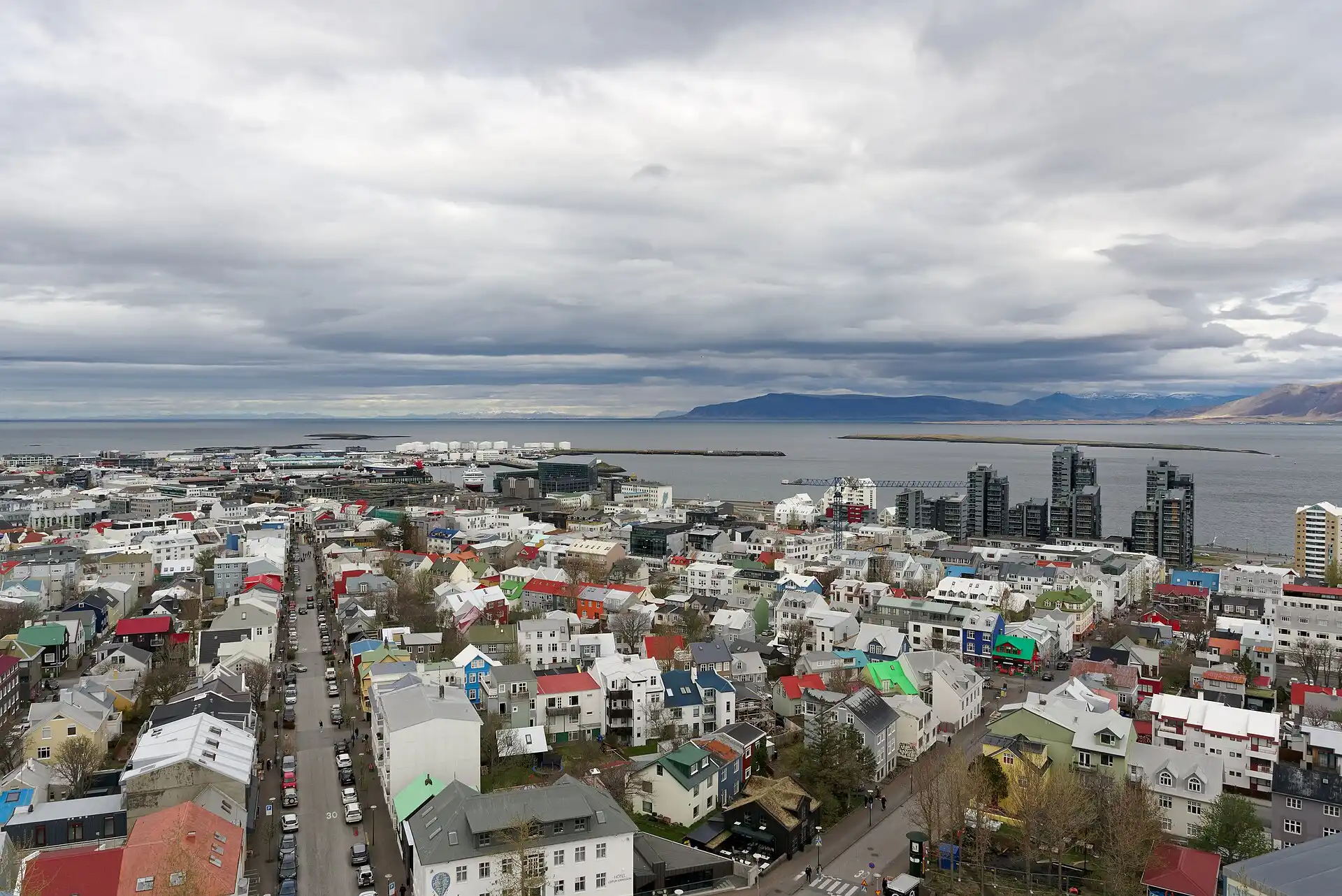
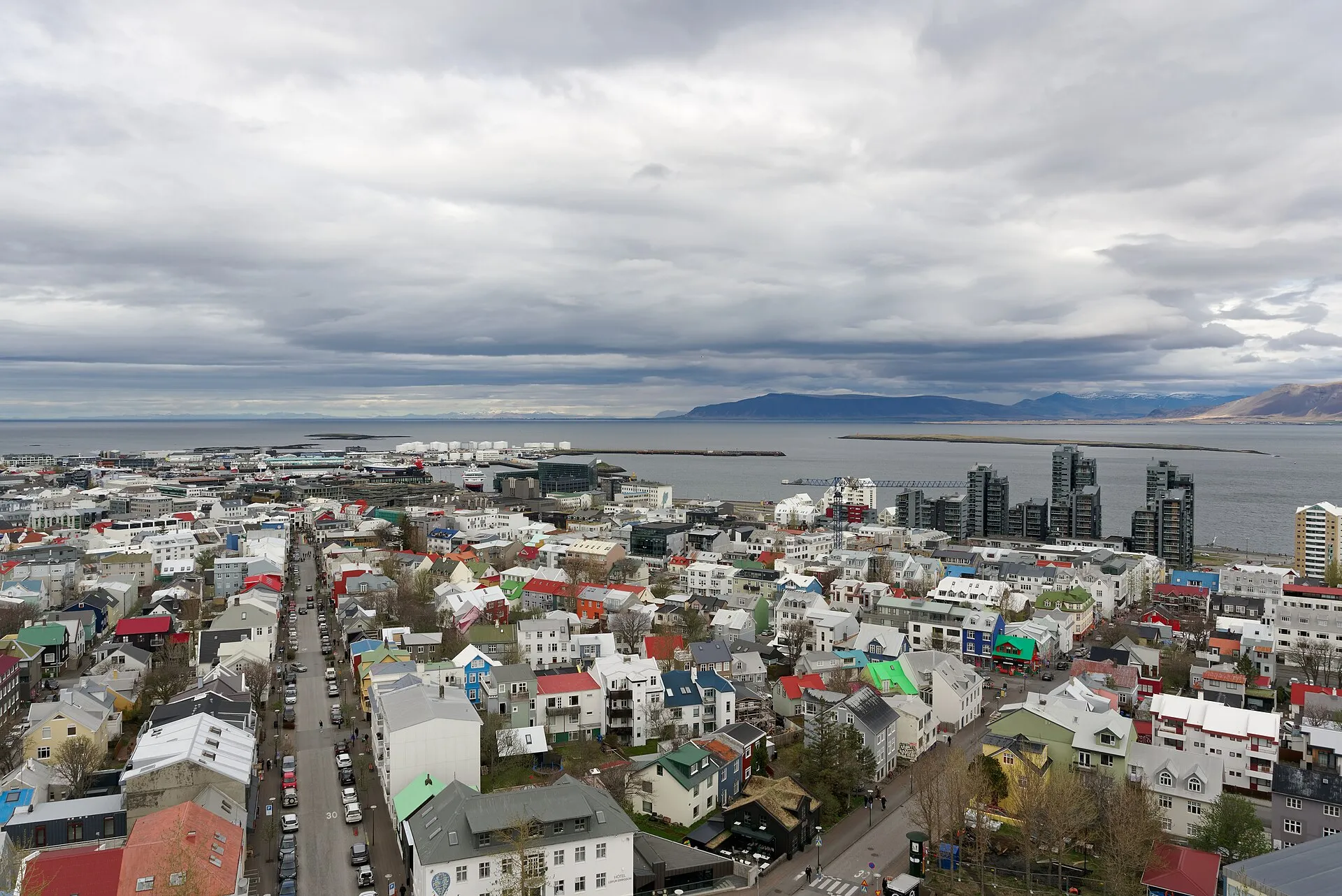
Reykjavik is small. You can walk from Hallgrímskirkja on the hill to the Old Harbour in about 20 minutes, and most of what you’ll want to see in town sits along that line. The city works best as a base: the Golden Circle, the south coast and the northern lights tours all leave from here. Don’t rush the town itself, though. Spend an evening in a geothermal pool with the locals, eat a hot dog from the stand that’s been there since 1937, and give the National Museum a wet afternoon. It’s expensive, and the weather changes by the hour. Pack layers.
If you only have one day in Reykjavik
- Hallgrímskirkja: You can see it from almost anywhere in town. State architect Guðjón Samúelsson designed the church, and the stepped concrete front is meant to look like basalt columns. Building took from 1945 to 1986. The tower is 74.5 metres tall, and a lift takes you up to the viewing deck for the best look over the coloured roofs. The statue of Leif Erikson in front was a gift from the United States in 1930.
- Laugavegur and Skólavörðustígur: Laugavegur is Reykjavik’s main shopping street, and Skólavörðustígur runs down to it from Hallgrímskirkja. The lower end of Skólavörðustígur is painted in rainbow colours, so everyone stops for a photo with the church behind. Expect wool shops, record stores, bakeries and bars.
- Sun Voyager (Sólfar): A steel sculpture of a boat on the shore road, by Jón Gunnar Árnason. It looks like a Viking ship, but the artist described it as a dream boat, an ode to the sun. It was unveiled in 1990, the year after he died. On a clear day Mount Esja rises across the bay behind it.
- Harpa Concert Hall: Reykjavik’s concert hall opened in 2011, and its glass front was designed by the artist Olafur Eliasson with Henning Larsen Architects. The panels catch the light differently all day. It’s home to the Iceland Symphony Orchestra and the Icelandic Opera, and in 2013 it won the EU’s Mies van der Rohe award for architecture.
- Austurvöllur and the Alþingi: A small square with a lawn, cafés on two sides and the grey stone parliament building from 1881 on the third. The Alþingi itself was founded in 930 at Þingvellir, which makes it one of the oldest parliaments in the world. The statue in the middle is Jón Sigurðsson, who led the push for independence; his birthday, 17 June, is the national day.
- City Hall and Tjörnin pond: City Hall opened in 1992 and stands half in the pond. Walk in: the ground floor has a big raised relief map of Iceland, the easiest way to understand the island before a road trip. Outside, Tjörnin is full of ducks, swans and geese, and the walk round the pond takes about half an hour.
- Settlement Exhibition (Reykjavík 871±2): Under a hotel on Aðalstræti are the remains of a Viking-age longhouse, found in 2001 and kept where they were dug up. A piece of turf wall nearby is older than a layer of volcanic ash dated to around 871, give or take two years, hence the museum’s name. It’s one of the oldest traces of people in Reykjavik.
- Old Harbour and Grandi: This is where the whale-watching and boat tours leave from, between the fishing boats. Walk out along the harbour to Grandi, where old fish sheds now hold restaurants, galleries and the Whales of Iceland exhibition. The famous hot dog stand, Bæjarins Beztu Pylsur, is a few minutes away on Tryggvagata and has been selling hot dogs since 1937.
- Best time to go
- June to August for midnight sun and open highland roads. September to April for the northern lights; in December you only get four or five hours of daylight, but the city is lit up for Christmas.
- From the airport
- Flybus runs to the BSÍ bus terminal in about 45 minutes and is timed to every arrival. An adult one-way ticket is 3,999 ISK, or 5,299 ISK with the hotel connection (Flybus, checked 11 November 2026).
Iceland travel FAQ
How many days do I need in Reykjavik?
Two days covers the town, a museum and a pool. Most people add two or three days for tours: the Golden Circle, the south coast and the northern lights.
What currency does Iceland use?
The Icelandic króna (ISK). Cards and contactless payment are accepted almost everywhere, even for small amounts.
Which plugs does Iceland use?
Type C and F, 230 V. Bring an adapter if you’re coming from the UK or North America.
Do you tip in Iceland?
Tipping isn’t expected; service is included in prices. Rounding up for good service is fine but not necessary.
Travelling to Iceland?
Heads-up: this page contains affiliate links. If you book or buy through them we may earn a small commission at no extra cost to you. It never changes our picks. How we make money.