
Europe
Lithuania travel guide
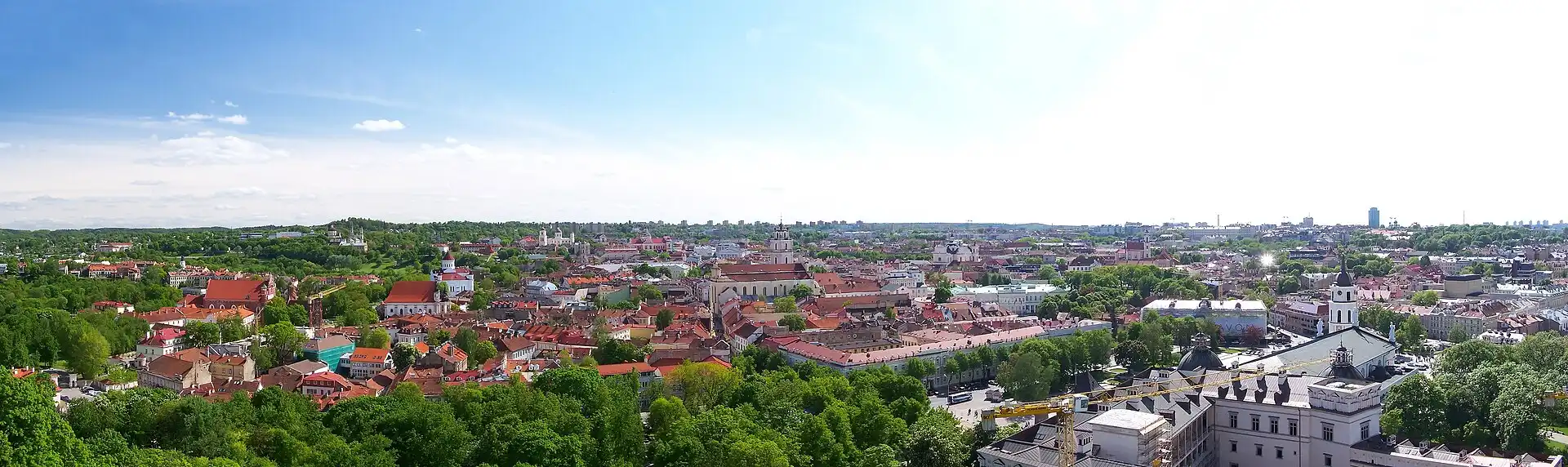
Lithuania is the southernmost of the three Baltic states, with a long Baltic coast, lakes and forests inland, and two lively cities in Vilnius and Kaunas. It joined the EU and NATO in 2004 and uses the euro.
Lithuania at a glance
- Currency
- Euro (EUR). Cards and contactless payment are accepted almost everywhere.
- Language
- Lithuanian. English is widely spoken by younger people and in hotels and restaurants; many older people speak Russian or Polish.
- Plugs
- Type C and F, 230 V. Visitors from the UK and North America need an adapter.
- Emergency number
- 112
- Entry
- Lithuania is in the Schengen Area and the EU. Visitors from many countries can stay up to 90 days in any 180 without a visa; check the rules for your passport before you travel.
- Getting around
- Trains link Vilnius with Kaunas and Trakai, and long-distance buses reach Riga and Tallinn. Check ltglink.lt for trains.
City guides for Lithuania
Vilnius
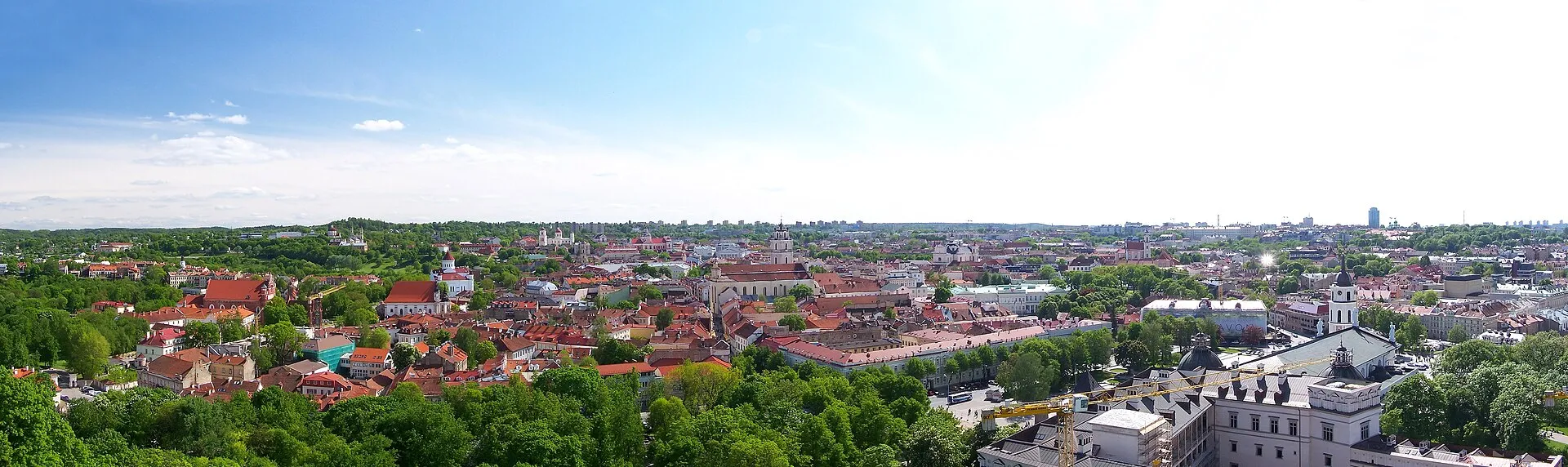
Vilnius has one of the largest surviving old towns in Central and Eastern Europe, and it’s a UNESCO World Heritage site. You can walk it end to end in half an hour, but the side streets, courtyards and church domes slow you down in a good way. Climb to the Gediminas Castle Tower for the view, cross the little river into Užupis, the artists’ quarter that declared itself a republic, and finish with cold beetroot soup or a plate of cepelinai. In winter the city puts up a designer Christmas tree on Cathedral Square; in 2026 it’s lit on 28 November and the Christmas market runs from 28 November to 27 December.
If you only have one day in Vilnius
- Gates of Dawn: The only one of the old city gates still standing. Above the arch is a chapel with a painting of the Virgin Mary that many Catholic pilgrims come to see; you can climb the stairs and look in.
- St Casimir’s Church: The oldest baroque church in Vilnius, built by the Jesuits in the early 1600s. Look up: there’s a crown on top of the dome.
- Town Hall Square: The wide square at the south end of Pilies and Didžioji streets, with the classical town hall in the middle. It’s the stage for concerts and markets, and the restaurants around it are a good place for cepelinai.
- Literatų Street: A short lane where the walls are covered in small artworks, each one for a writer linked to Vilnius or Lithuania. It’s one of the nicest free things in the city, and easy to walk past.
- Vilnius University: Founded in 1579, one of the oldest universities in this part of Europe. The old buildings are set around a chain of courtyards, with St John’s Church and its tall bell tower on the biggest one.
- Cathedral Square and the Stebuklas tile: The big open square under the white neoclassical cathedral and its separate bell tower is where Vilnius meets. Near the bell tower is a tile marked Stebuklas (miracle). It marks the end of the Baltic Way, the human chain of about two million people that stretched from here to Tallinn on 23 August 1989.
- Gediminas Castle Tower: The red-brick tower on the hill is what’s left of the Upper Castle, and Lithuania’s flag flies from the top. Legend says Grand Duke Gediminas dreamed of an iron wolf howling here and was told to build a city. The view over the Old Town’s red roofs is the best in Vilnius.
- St Anne’s Church: A small Gothic church from around 1500 built from more than 30 kinds of brick, with a front that looks like brick lace. There’s a story that Napoleon wanted to carry it back to Paris in the palm of his hand.
- Užupis: Across the Vilnia river is the old artists’ quarter that declared itself a republic on 1 April 1997, half joke, half not. Its constitution hangs on Paupio Street in dozens of languages (“Everyone has the right to be happy”), and a bronze angel on a pillar stands in the little square.
- Best time to go
- May to September for long, light evenings. Late November to the end of December for the Christmas tree and market on Cathedral Square. January and February are cold and dark, often well below zero.
- From the airport
- City buses run from the airport to the centre; tap a contactless card on board for a 60-minute ticket (€1.25, JUDU, checked 17 November 2026). There’s also a short train to Vilnius station.
Lithuania travel FAQ
How many days do I need in Vilnius?
Two days covers the Old Town, the castle hill and Užupis. Add a day for Trakai.
What currency does Lithuania use?
The euro (EUR). Cards and contactless payment are accepted almost everywhere.
Which plugs does Lithuania use?
Type C and F, 230 V. Bring an adapter if you're coming from the UK or North America.
Travelling to Lithuania?
Heads-up: this page contains affiliate links. If you book or buy through them we may earn a small commission at no extra cost to you. It never changes our picks. How we make money.