
Europe
Slovakia travel guide
Slovakia is a small, mountainous country in the middle of Europe, with the High Tatras in the north, hundreds of castles and a capital on the Danube. It has been independent since 1993, when Czechoslovakia split peacefully, and it uses the euro.
Slovakia at a glance
- Currency
- Euro (EUR). Cards and contactless payment are accepted almost everywhere.
- Language
- Slovak. English is widely spoken in hotels, restaurants and by younger people; German is common too.
- Plugs
- Type C and E, 230 V. Visitors from the UK and North America need an adapter.
- Emergency number
- 112
- Entry
- Slovakia is in the Schengen Area and the EU. Visitors from many countries can stay up to 90 days in any 180 without a visa; check the rules for your passport before you travel.
- Getting around
- Trains link Bratislava with Vienna, Budapest, Prague and Košice. Check zssk.sk for Slovak trains.
City guides for Slovakia
Bratislava
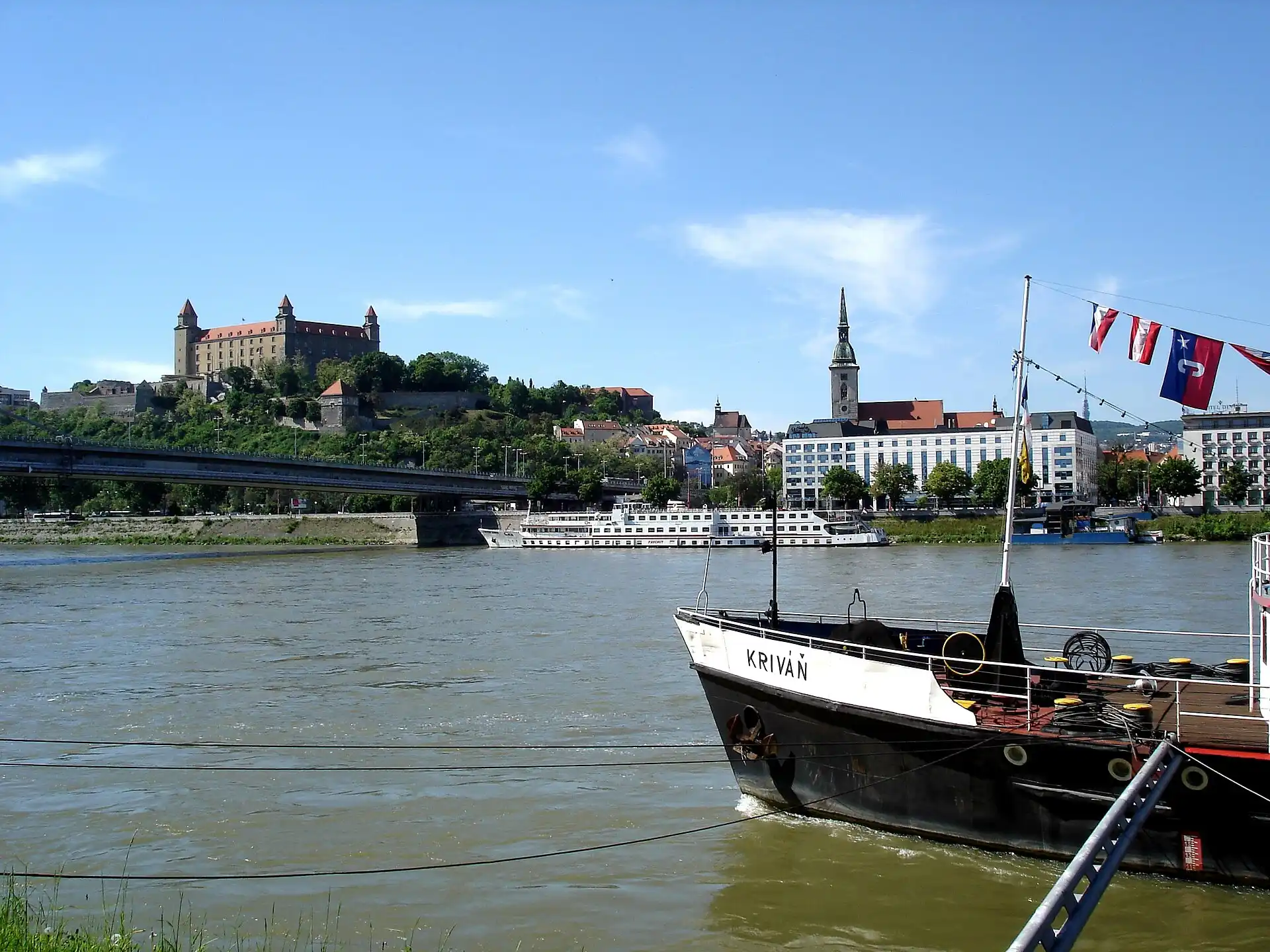
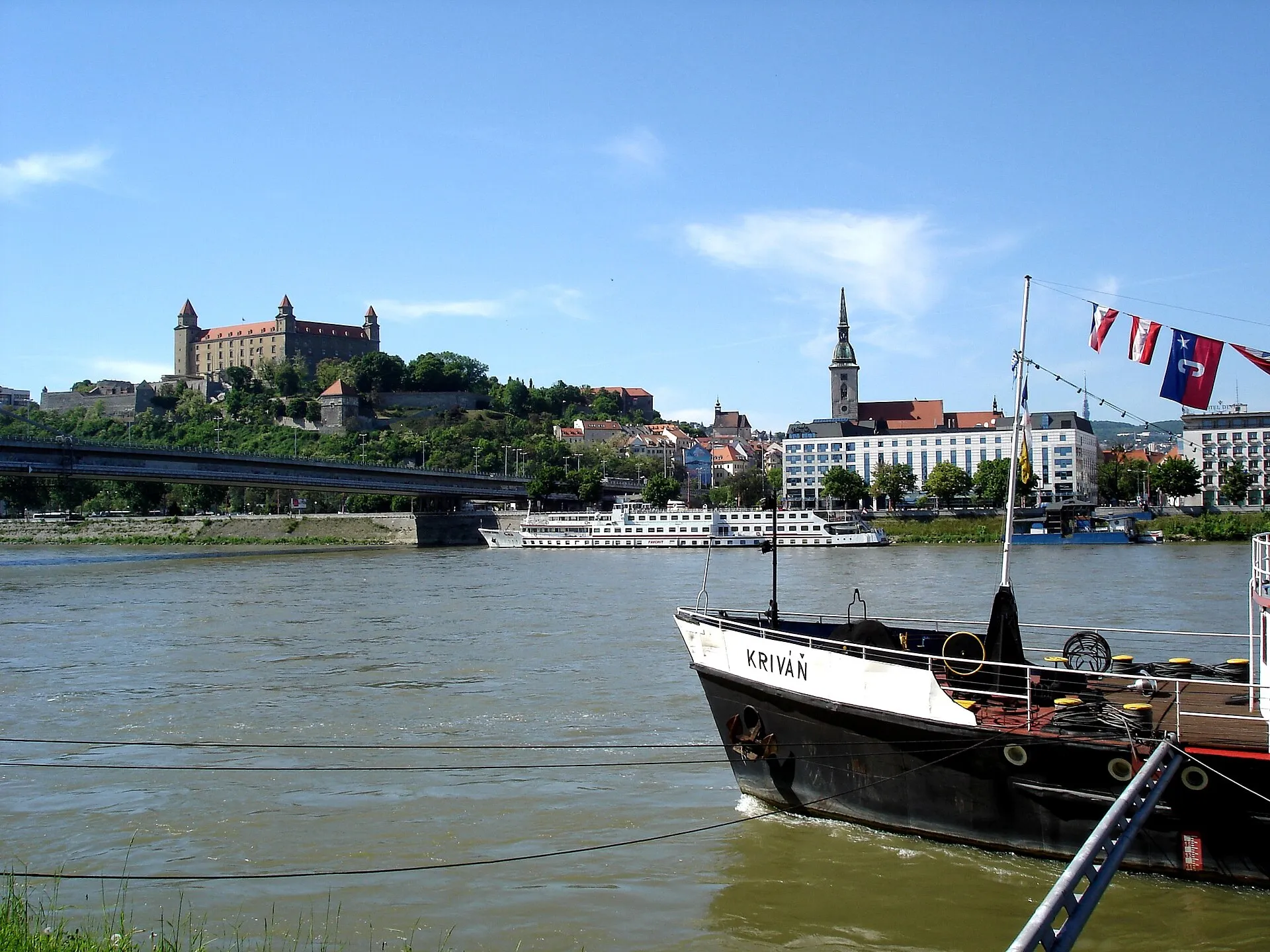
Bratislava is often treated as a day trip from Vienna, an hour away by train, and you can see the old town in an afternoon. Stay the night, though, and it gets better: the cafés on the Main Square, the castle at sunset and the Danube under the UFO bridge. Between 1563 and 1830 the kings and queens of Hungary were crowned in St Martin’s Cathedral, and the old town still has that slightly grand, slightly sleepy feel. Look out for the bronze statues; one of them is peeking out of a manhole. The Christmas market on the Main Square runs from 26 November 2026 to 3 January 2027.
If you only have one day in Bratislava
- Michael’s Gate: The only gate left from the medieval town walls. A statue of St Michael slaying a dragon stands on top of the tower, and under the arch a plaque in the pavement, Kilometer Zero, shows the distance to cities around the world.
- Primate’s Palace: A pale pink palace from the 18th century, with a cast-iron cardinal’s hat on top of the front. In its Hall of Mirrors, France and Austria signed the Peace of Pressburg in December 1805, after Napoleon’s victory at Austerlitz.
- Old Town Hall: Bratislava’s old town hall is a jumble of buildings from different centuries around a lovely courtyard. Look up at the tower: a cannonball is stuck in the wall, a souvenir of Napoleon’s army shelling the town in 1809.
- Main Square and Roland Fountain: The heart of the old town, with café terraces all round and the Roland Fountain from 1572 in the middle, topped by a knight in armour. In winter, the square fills with the city’s main Christmas market.
- The bronze statues: Čumil, Schöne Náci and the Napoleonic soldier: Bratislava’s old town has a set of bronze figures that people love to find. Čumil, a worker, peeks out of a manhole on Panská Street. Schöne Náci, a real local man who walked the streets in a top hat, tips his hat on Sedlárska Street. And a French soldier leans on a bench on the Main Square.
- Hviezdoslav Square and the Slovak National Theatre: A long, leafy square with the old Slovak National Theatre building at one end and the Ganymede fountain in front of it. It’s the nicest place in town for an evening stroll, and in winter part of the Christmas market.
- St Martin’s Cathedral: The Gothic cathedral at the foot of the castle hill was the coronation church of the kings and queens of Hungary from 1563 to 1830. On top of its spire sits a gilded copy of the Hungarian crown on a cushion.
- Bratislava Castle: The big white castle with four corner towers is the city’s symbol. It burned in 1811 and stood in ruins for more than a century before it was rebuilt. The grounds and gardens are free, and the view over the Danube, the UFO bridge and the Petržalka housing estate is worth the climb.
- Best time to go
- May to September for terraces and the river. Late November to early January for the Christmas markets on the Main Square and Hviezdoslav Square. Summers can be hot.
- From the airport
- City bus 61 runs from Bratislava Airport to the main station; tap a contactless card on the validator (a 60-minute ticket is €1.60, DPB, checked 17 November 2026; half price until 30 November 2026).
Slovakia travel FAQ
How many days do I need in Bratislava?
One full day covers the old town and the castle. Two days give you time for the Blue Church, the Danube and Devín Castle.
What currency does Slovakia use?
The euro (EUR). Cards and contactless payment are accepted almost everywhere.
Which plugs does Slovakia use?
Type C and E, 230 V. Bring an adapter if you're coming from the UK or North America.
Travelling to Slovakia?
Heads-up: this page contains affiliate links. If you book or buy through them we may earn a small commission at no extra cost to you. It never changes our picks. How we make money.