Skip to content
Pack & Quest
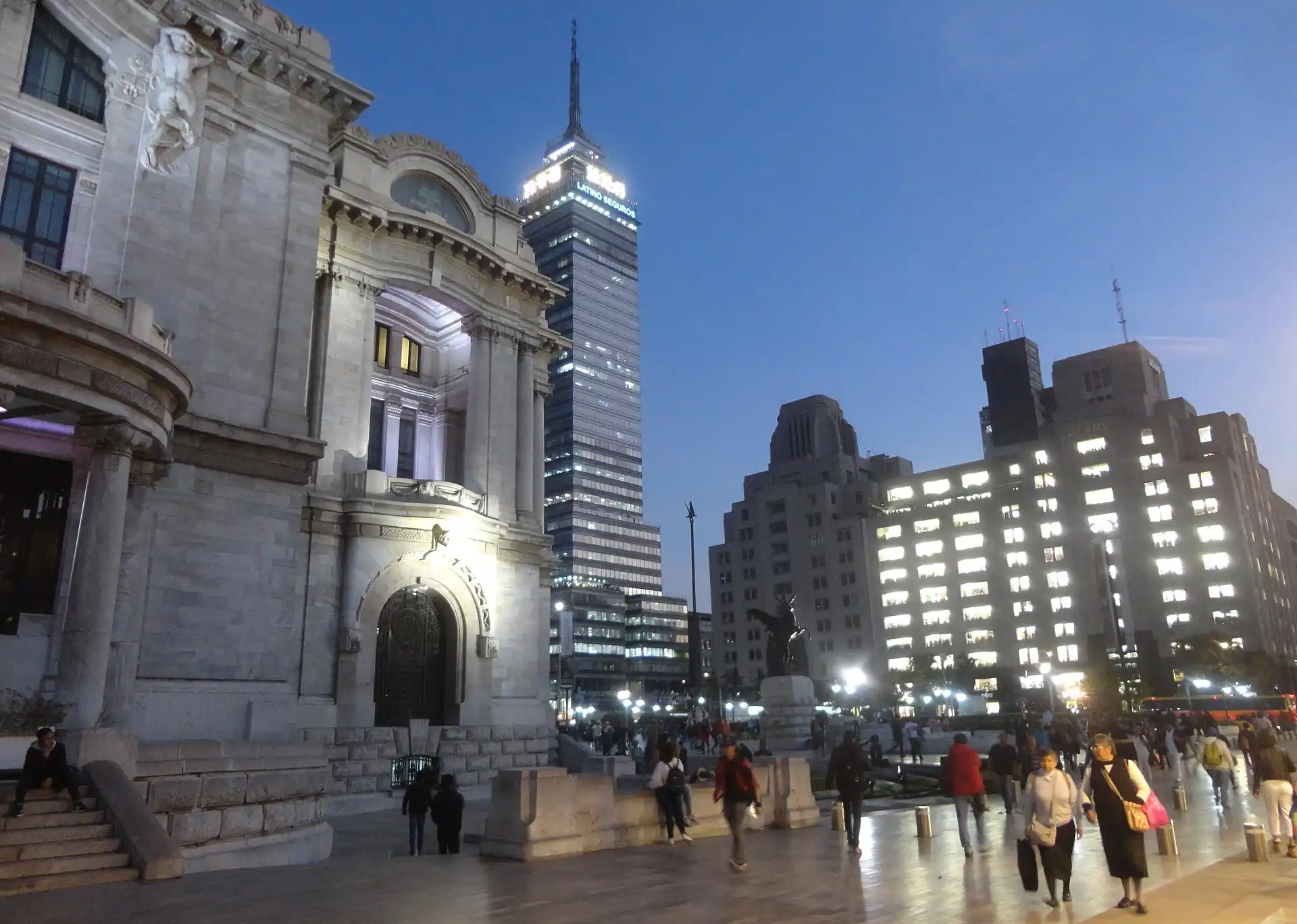
Palacio de Bellas Artes and the Torre Latinoamericana at dusk

Updated 2026

12 best things to do in Mexico City

Aztec ruins under a colonial square, Diego Rivera’s murals, Frida’s blue house and some of the best street food anywhere.

Heads-up: this page contains affiliate links. If you book or buy through them we may earn a small commission at no extra cost to you. It never changes our picks. How we make money.

Spend the first day in the historic centre: the Alameda and Bellas Artes, then east along Calle Madero to the Zócalo, the cathedral, the Templo Mayor and Rivera’s murals in the National Palace. Give the second day to Chapultepec, with the anthropology museum and the castle. Save Coyoacán and Frida Kahlo’s house for a third, and book that ticket early.

Explore Mexico City like a game

Mexico City City Quest

Walk from the Alameda and the Hemiciclo a Juárez past Bellas Artes, the old post office and the Torre Latinoamericana, along Calle Madero and the House of Tiles to the cathedral, the Templo Mayor, San Ildefonso and Santo Domingo, then back to Rivera’s National Palace and the giant flag on the Zócalo. With riddles, photo missions, a kids’ mode and a final quiz.

A self-guided walking treasure hunt as a digital download. Print it or keep it on your phone · €9.99.

See the Mexico City quest
1 2 3 4 5 6 7 8 9 10 11 12 Loading map… · tap a number to see what it is
Things to do in Mexico City: tap a number to see what it is, then open it in Google Maps.

Tickets & tours in Mexico City: compare before you buy

Official sites are often cheapest for single museums; resellers are handy for skip-the-line combos, tours and free cancellation.

The Zócalo (Plaza de la Constitución)

#1

The Zócalo (Plaza de la Constitución)

Centro Histórico

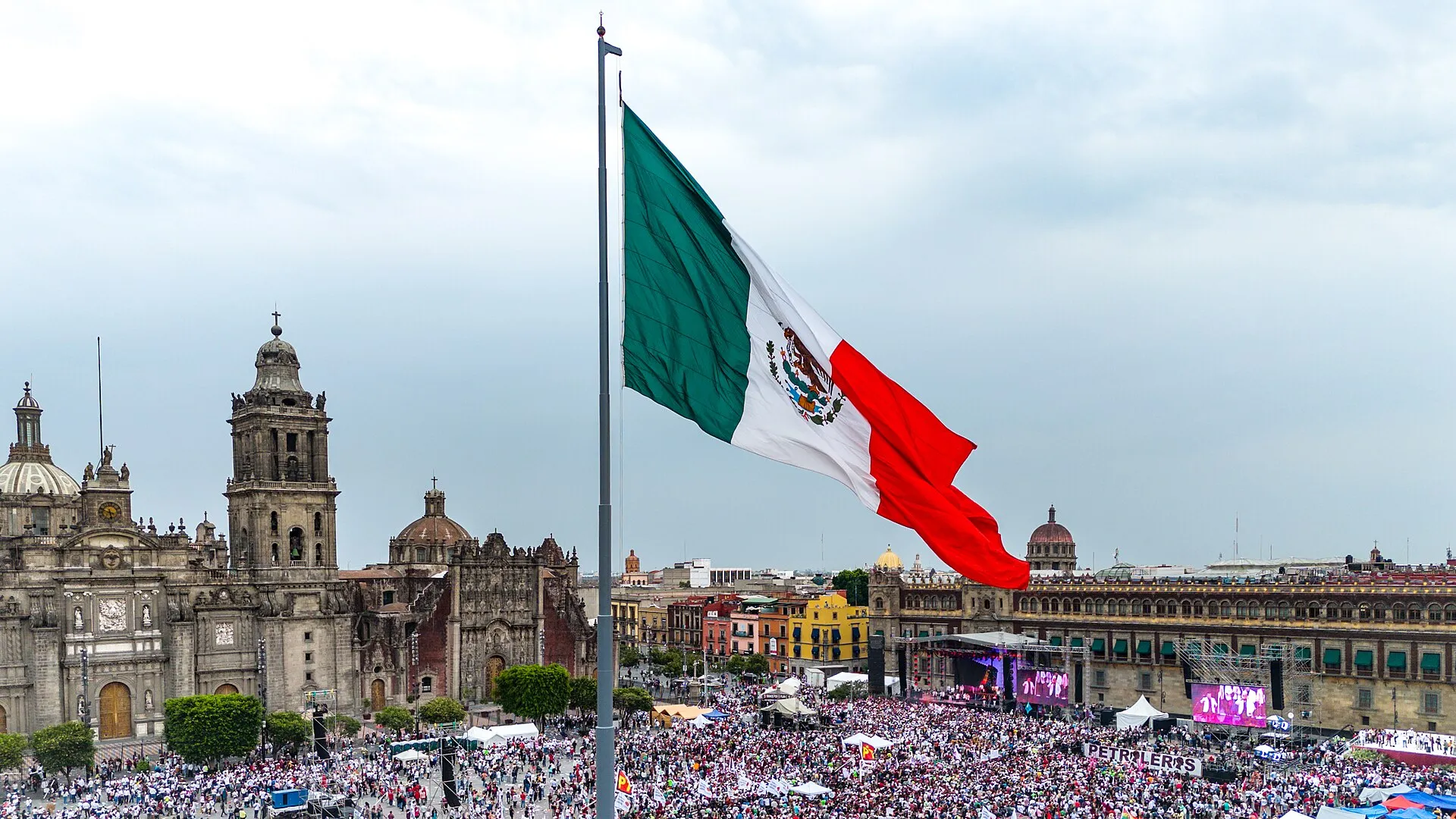
The main square of the city, and of the Aztec capital before it. Its formal name is Plaza de la Constitución, but everyone says the Zócalo. In the middle is a flagpole with an enormous Mexican flag that soldiers raise and lower each day and carry into the National Palace. Concerts, protests and festivals all happen here.

Cost
Free
Time needed
20–30 minutes
Best time
Early morning, or late afternoon for the flag ceremony

Insider tip: The square is often fenced off for events. If you can’t cross it, walk round the arcades on the west side.

Skip it if: Big crowds make you nervous? On protest days, look from the cathedral steps and move on.
Metropolitan Cathedral

#2

Metropolitan Cathedral

Zócalo

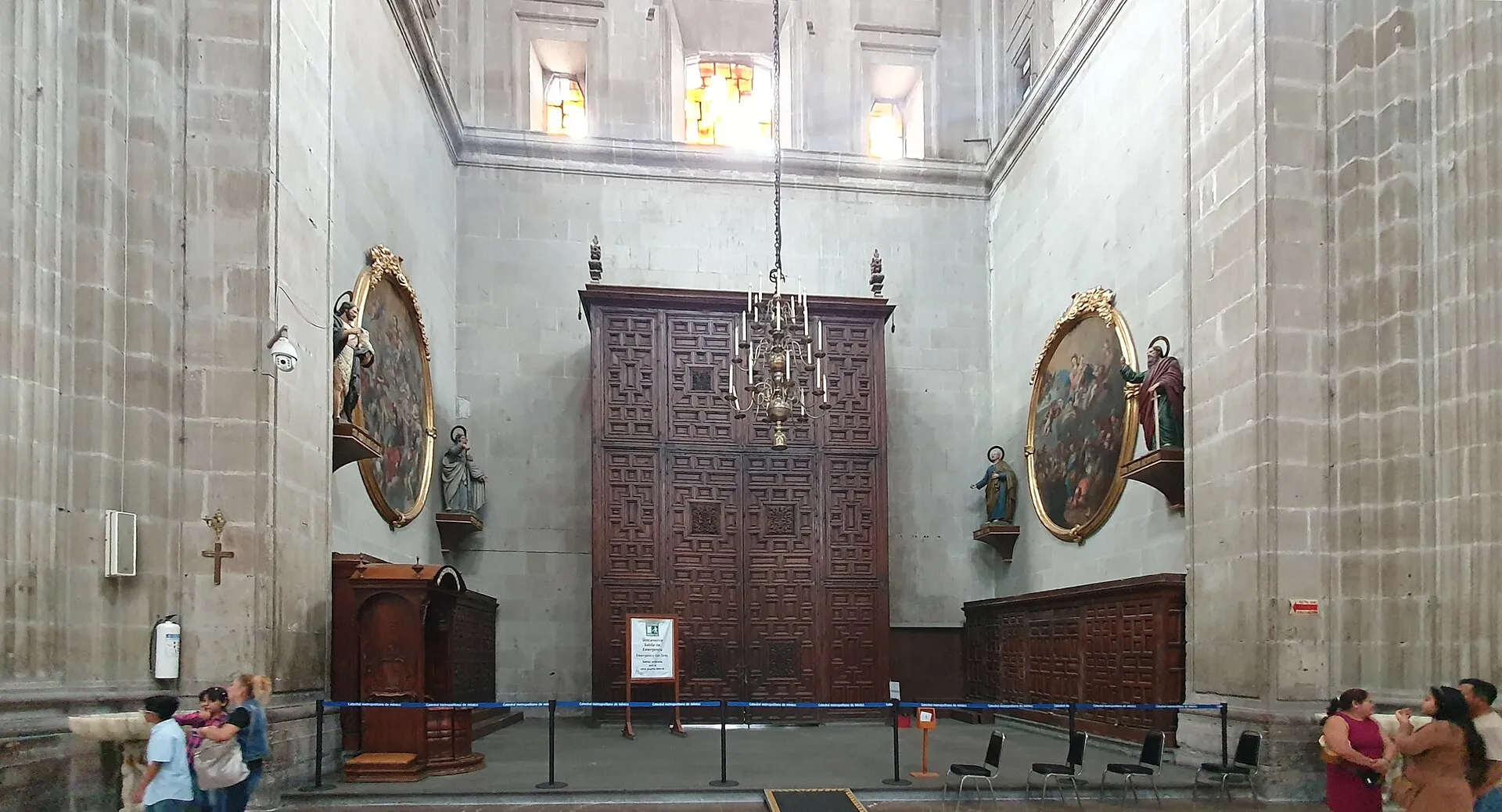
The biggest church in the city, built in sections from 1573 to 1813, so you can see Renaissance, Baroque and Neoclassical styles side by side. It stands on soft old lake bed and has been sinking unevenly for centuries; look along the floor and you’ll notice it isn’t level. It also has two of the largest 18th-century organs in the Americas.

Cost
Free to enter
Time needed
30–45 minutes
Best time
Outside Mass times

Insider tip: The Sagrario Metropolitano, the chapel attached on the right, has one of the most elaborate Baroque façades in the city. Don’t miss it.

Skip it if: Not into churches? Stand outside the Sagrario’s façade for a minute and skip the interior.

Templo Mayor

#3

Templo Mayor

Calle Seminario

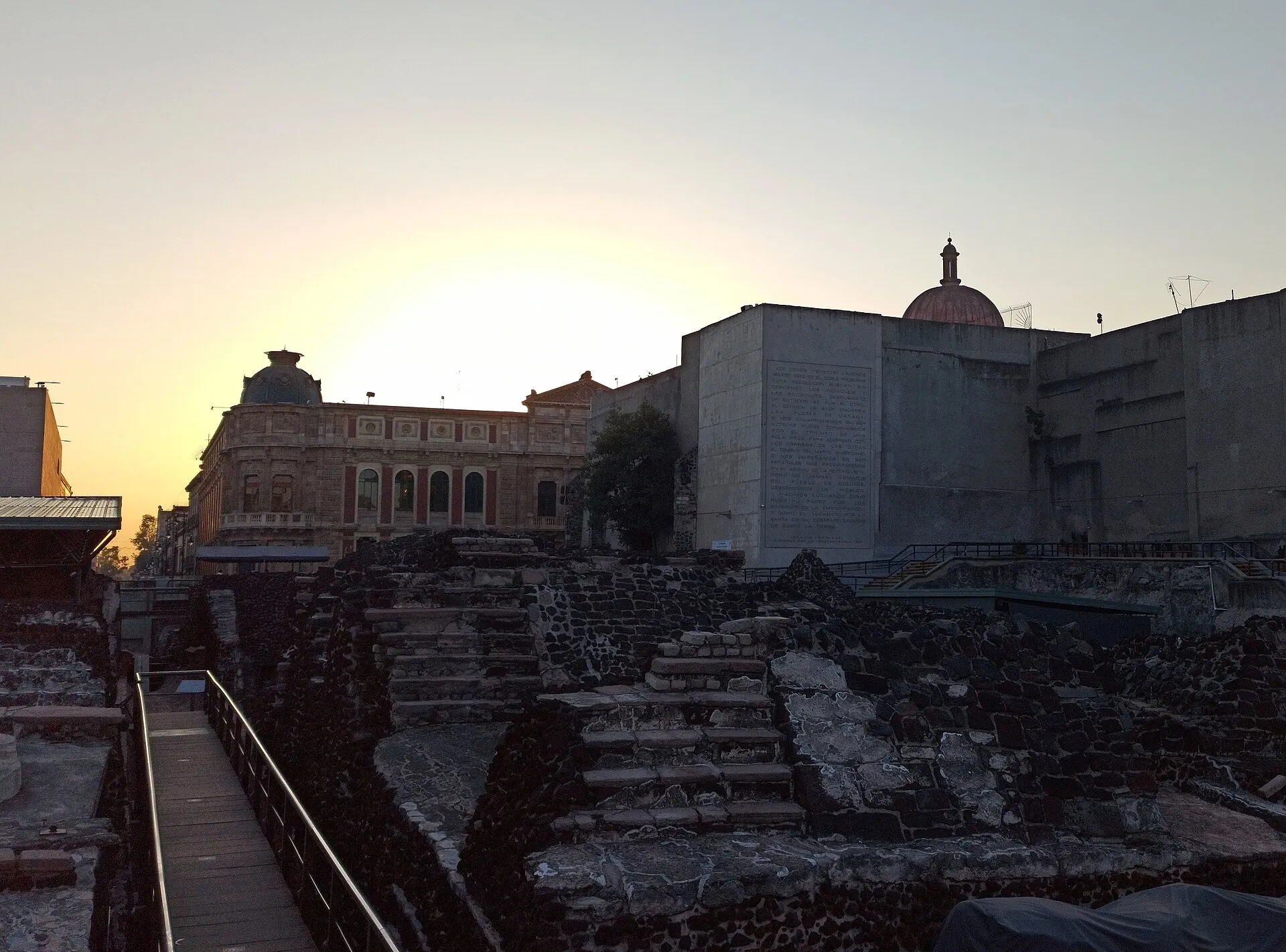
This was the main temple of Tenochtitlan. It was buried for centuries under the colonial city until 21 February 1978, when electricity workers digging here found a huge stone disc showing the moon goddess Coyolxauhqui. Excavations followed, and now you walk on platforms over the ruins, then through a museum full of what was found.

Cost
$210 MXN for foreign visitors; $105 MXN for Mexicans and residents
Time needed
2 hours
Best time
When it opens, Tuesday to Sunday

Insider tip: It’s closed on Mondays. Do the outdoor ruins first, before the sun gets strong.

Skip it if: Seeing Teotihuacán and the anthropology museum? You’ll still find this one different, but you could look over the ruins from the street.

National Palace (Palacio Nacional)

#4

National Palace (Palacio Nacional)

Zócalo, east side

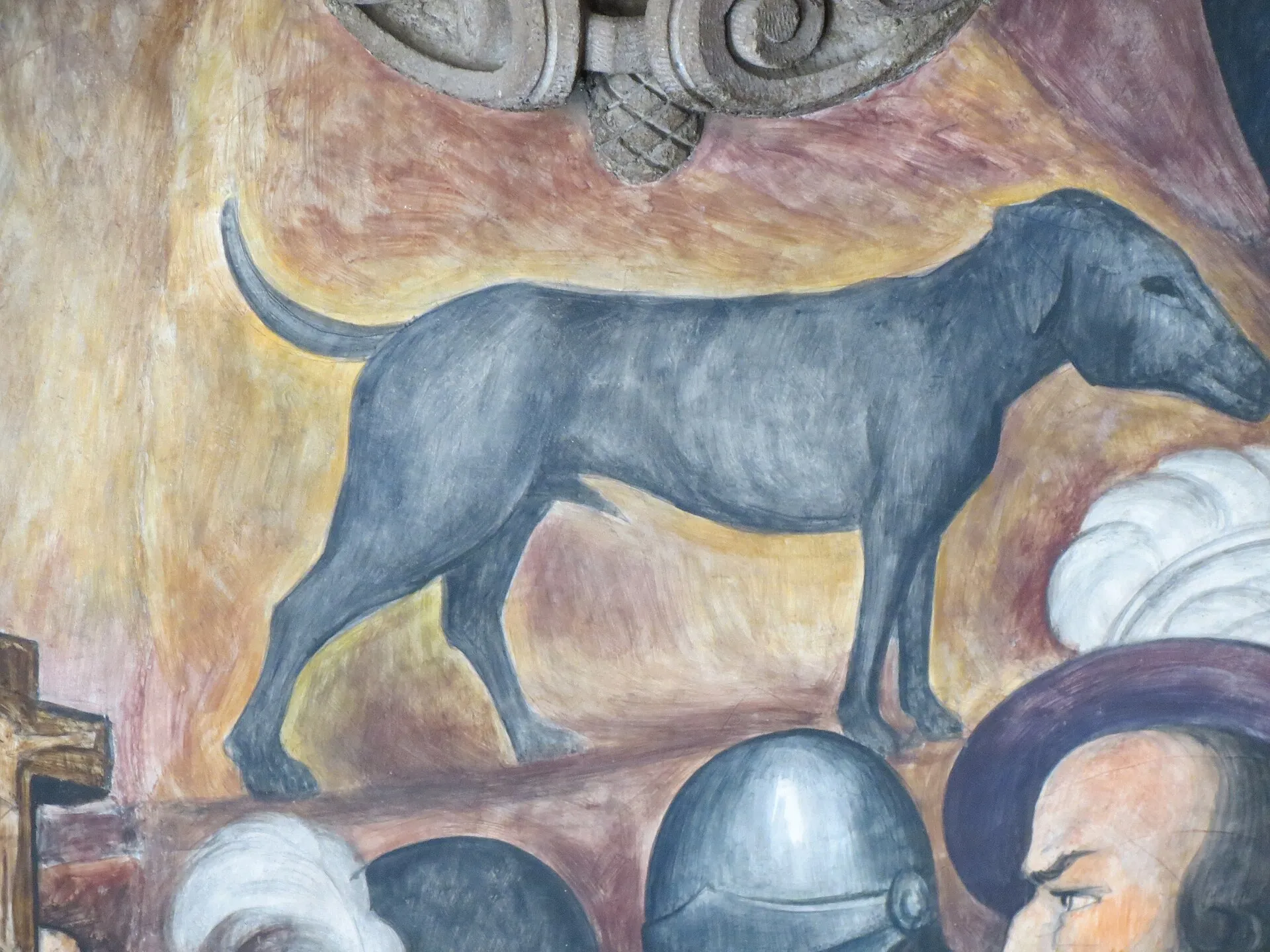
The long red building along the Zócalo is the seat of the federal government. Inside, Diego Rivera painted the main stairwell and the walls of the upper floor between 1929 and 1935. The cycle is called The Epic of the Mexican People, and the stairwell mural alone covers about 450 square metres, from Aztec times to 1930.

Cost
Free when open to visitors
Time needed
1 hour
Best time
Morning

Insider tip: Access to the murals has been limited at times in recent years. Check before you go, and bring photo ID.

Skip it if: If it’s closed on your day, see Rivera’s work at the Ministry of Education (SEP) a few blocks north instead.

Calle Madero and the Casa de los Azulejos

#5

Calle Madero and the Casa de los Azulejos

Centro Histórico

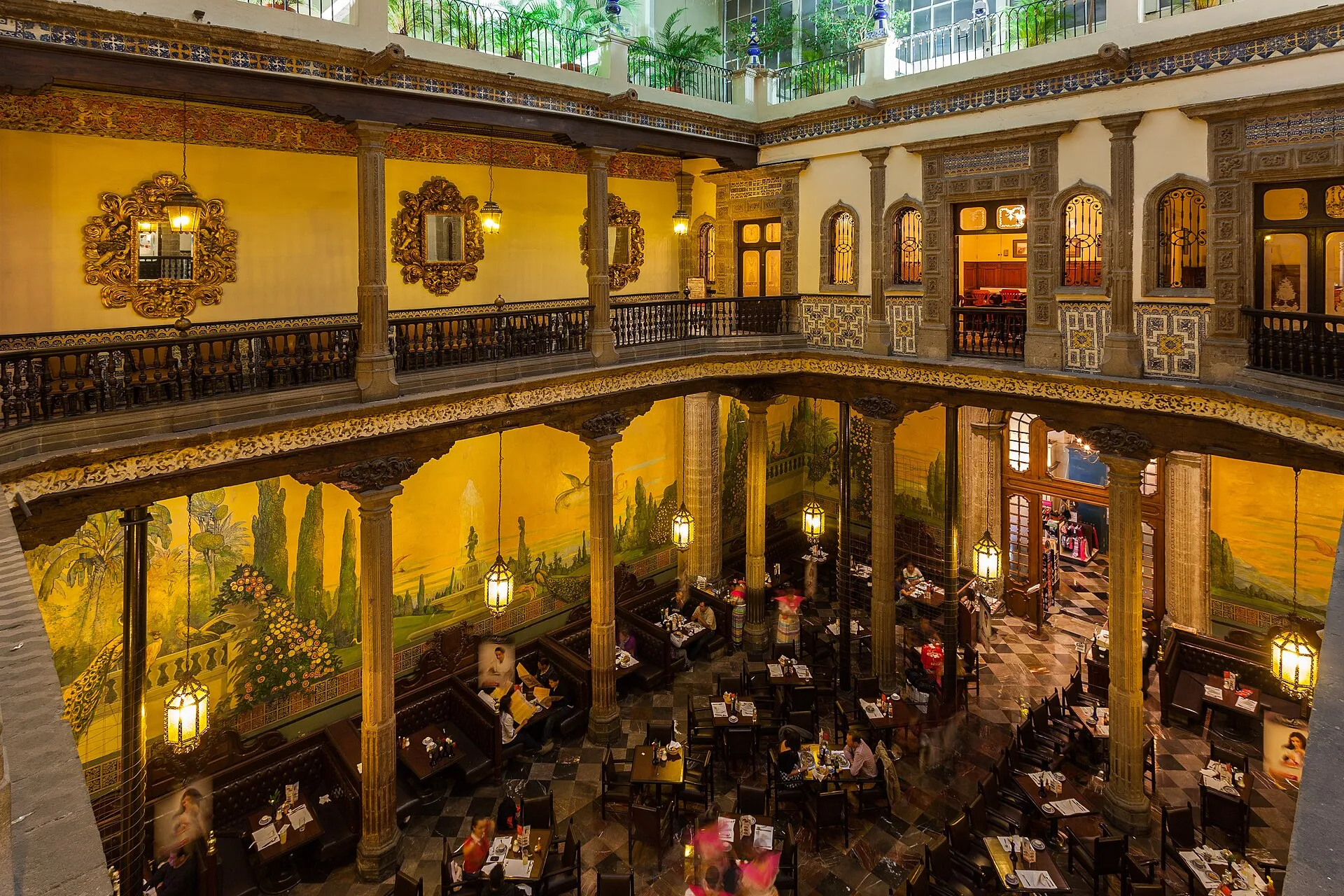
Calle Madero is the pedestrian street that links the Zócalo with the Alameda, lined with churches, old mansions and shops. Halfway along is the Casa de los Azulejos, the House of Tiles, an 18th-century palace covered on three sides with blue and white Talavera tiles from Puebla. It’s been a Sanborns restaurant for a long time, so you can walk in for breakfast.

Cost
Free to walk
Time needed
45 minutes
Best time
Morning, before the crowds

Insider tip: Inside the Casa de los Azulejos, walk up the main staircase to see José Clemente Orozco’s mural.

Skip it if: Hate crowds? Madero is packed on weekend afternoons. Walk it early instead.

Torre Latinoamericana

#6

Torre Latinoamericana

Eje Central and Madero

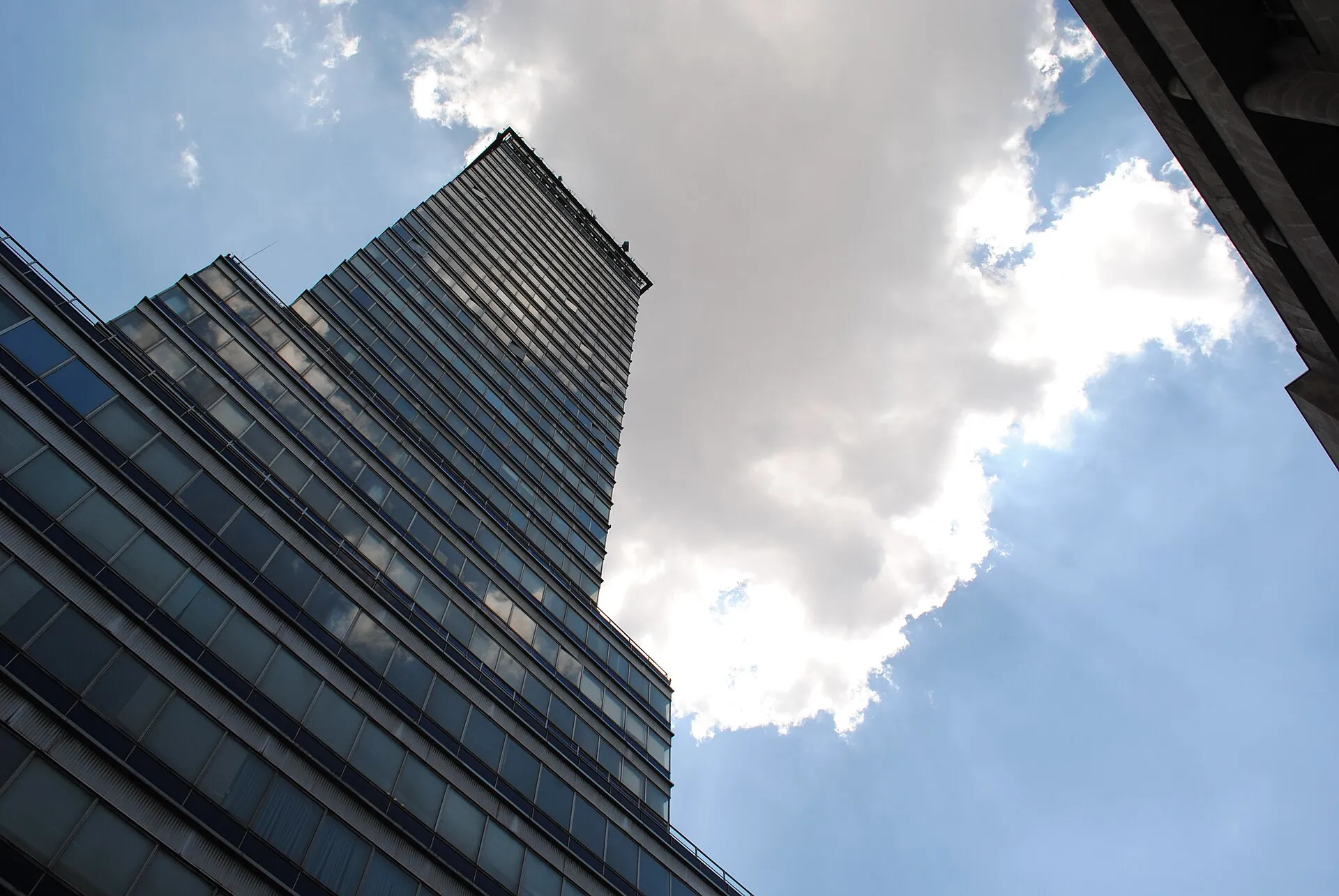
When it opened on 30 April 1956, this was the tallest building in Mexico, and it kept that title until 1982. It came through the 1985 earthquake without damage while buildings around it fell. The observation deck on the 44th floor looks straight down on Bellas Artes and the Alameda, and on a clear day you can see the volcanoes.

Cost
Paid; check the current price at the ticket desk
Time needed
45 minutes
Best time
A clear late afternoon, into the sunset

Insider tip: The air is usually clearest after rain or early in the dry season. If it’s hazy, save your money.

Skip it if: Smog day? You won’t see the volcanoes. Skip it.

Palacio de Bellas Artes

#7

Palacio de Bellas Artes

Avenida Juárez

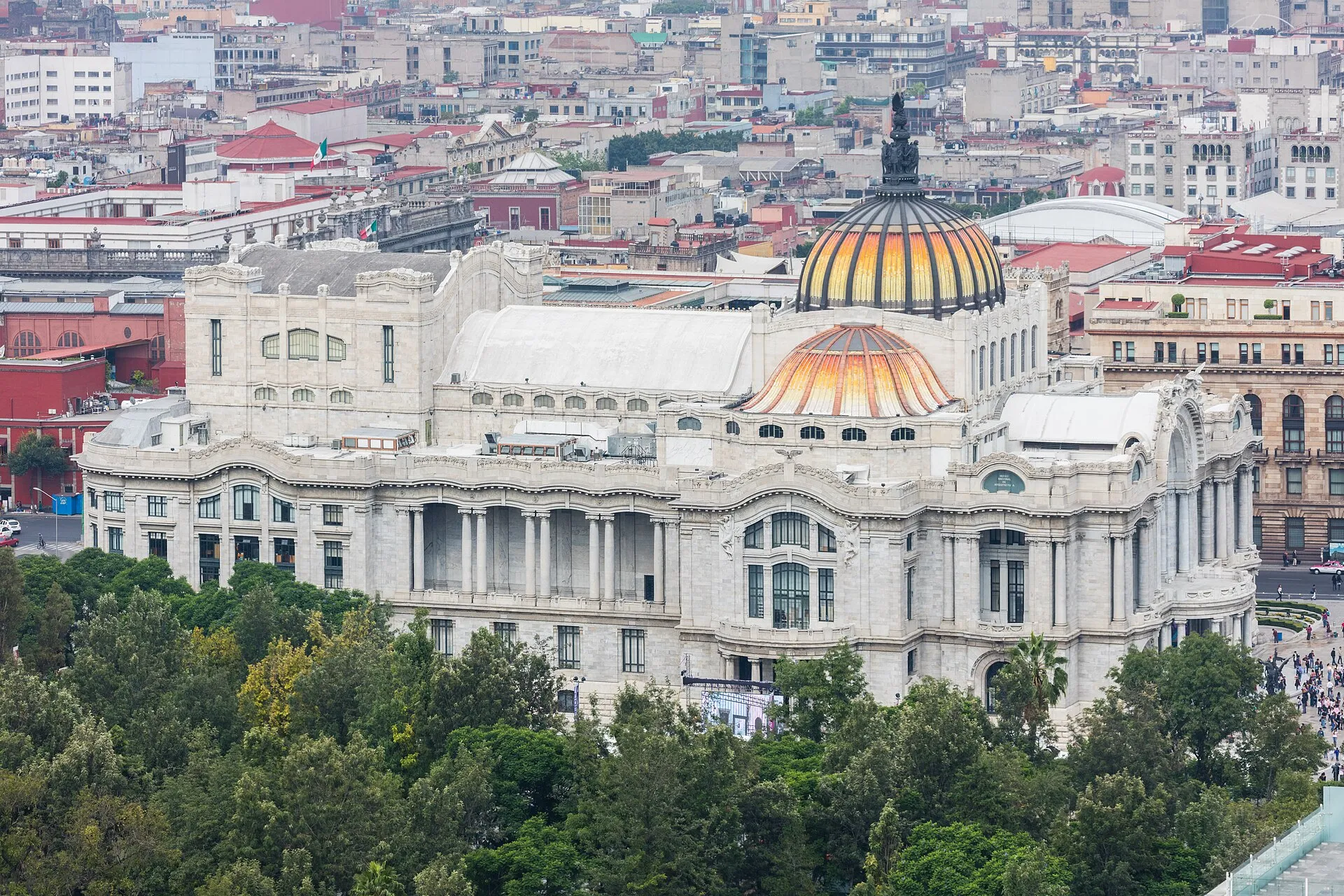
The white marble palace with the orange domes was started by Adamo Boari in 1904, stopped by the Revolution, and finished by Federico Mariscal in 1934. The outside is Art Nouveau and the inside is Art Deco. Upstairs are murals by Rivera, Orozco, Siqueiros and Tamayo, including Rivera’s Man, Controller of the Universe.

Cost
Museum entry paid; check the current price on site
Time needed
1–1.5 hours
Best time
Weekday morning

Insider tip: Opposite the main front is the Palacio Postal, the old post office also designed by Boari. It’s still a post office and you can walk in to see the gilded staircase.

Skip it if: Murals not your thing? Admire the building from the Alameda and the Palacio Postal across the road.

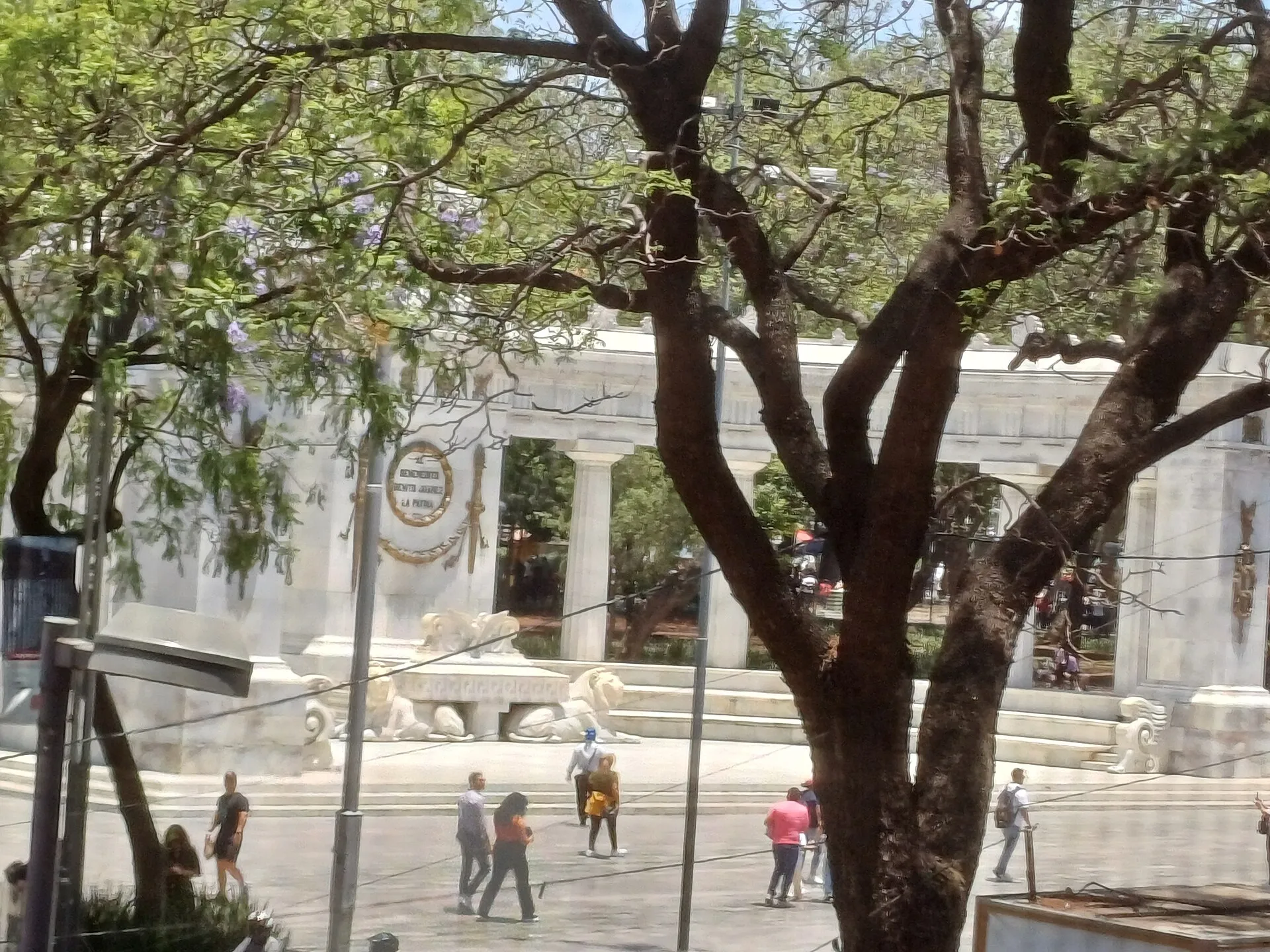
Alameda Central and the Hemiciclo a Juárez

#8

Alameda Central and the Hemiciclo a Juárez

Avenida Juárez

The Alameda was created in 1592 and is the oldest public park in the Americas. Shady paths, fountains and benches make it a good break from the traffic. On the Avenida Juárez side stands the white marble Hemiciclo a Juárez, dedicated in 1910 to the 19th-century president Benito Juárez.

Cost
Free
Time needed
30 minutes
Best time
Morning, or a weekend afternoon when families are out

Insider tip: At the west end, the Museo Mural Diego Rivera holds his huge Dream of a Sunday Afternoon in the Alameda Central.

Skip it if: Short on time? Walk through it on the way to Bellas Artes; that’s enough.

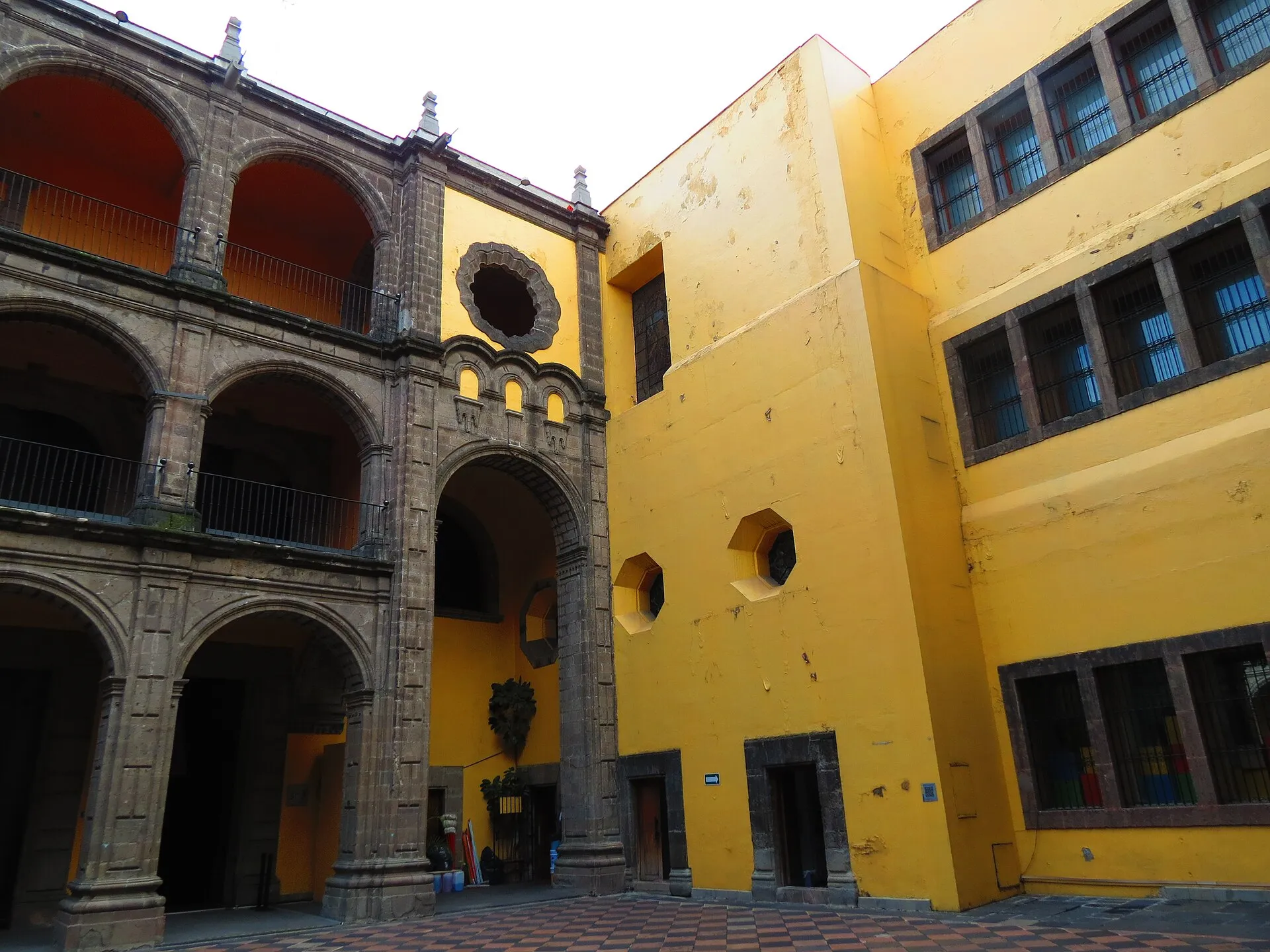
Antiguo Colegio de San Ildefonso

#9

Antiguo Colegio de San Ildefonso

Calle Justo Sierra

A former Jesuit college a few minutes from the Templo Mayor, now a museum and cultural centre. It’s seen as the birthplace of Mexican muralism: Orozco, Rivera and others painted its walls in the early 1920s, and the courtyards are some of the most handsome in the centre.

Cost
Paid entry; check current exhibitions and price
Time needed
1 hour
Best time
A weekday, when it’s quieter

Insider tip: Orozco’s murals on the main staircase and around the patio are the reason to come.

Skip it if: Seen Rivera at the National Palace and Bellas Artes? You might be muraled out.

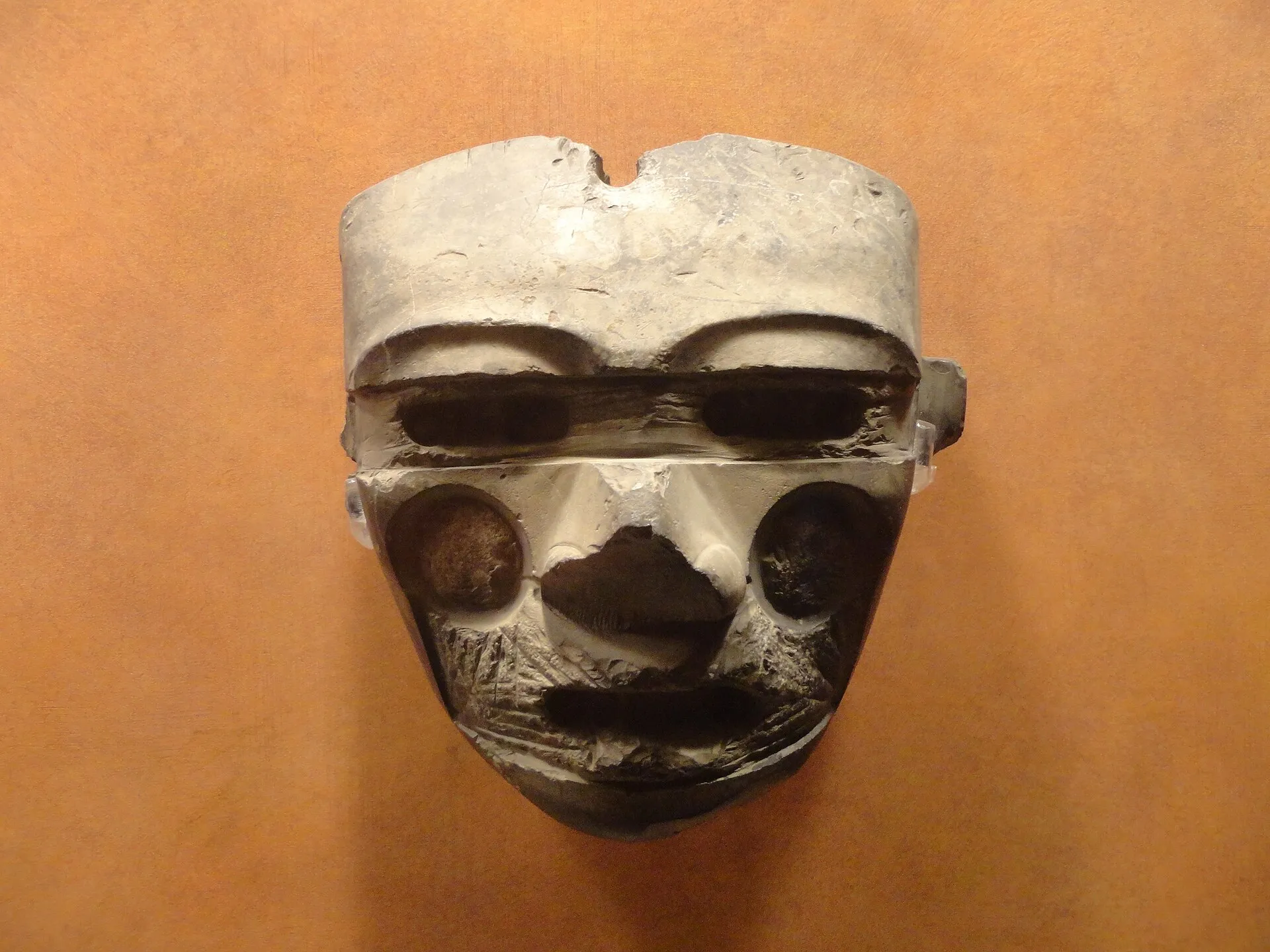
National Museum of Anthropology

#10

National Museum of Anthropology

Chapultepec

One of the great museums of the world, covering every major culture of ancient Mexico. Highlights include the Aztec Sun Stone, the Olmec heads and the Maya rooms. Under the courtyard roof a single column holds up a giant umbrella of concrete, with water pouring down around it.

Cost
$210 MXN for foreign visitors; $105 MXN for Mexicans and residents
Time needed
3 hours at least
Best time
Tuesday to Saturday, at opening

Insider tip: Pick a few halls rather than trying to see it all: the Mexica (Aztec) hall on the ground floor is the big one.

Skip it if: Only one day in the city? Then do the historic centre. Otherwise don’t skip this.

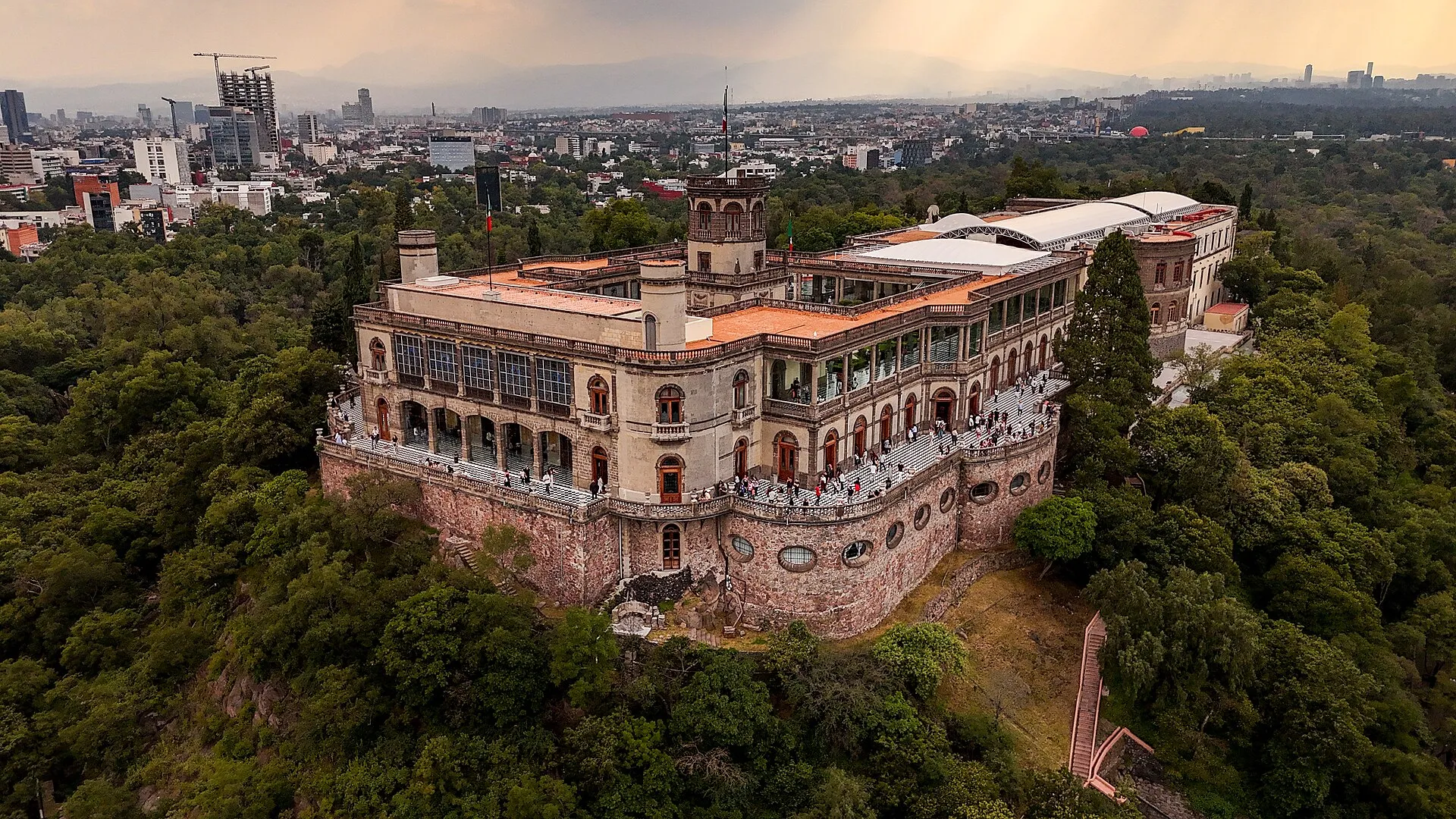
Chapultepec Castle

#11

Chapultepec Castle

Bosque de Chapultepec

A castle on a hill in Chapultepec Park, once home to Emperor Maximilian and later to presidents. It’s now the National Museum of History, run by INAH. The rooms and terraces give you views down Paseo de la Reforma.

Cost
INAH entry fee; check the current price
Time needed
1.5–2 hours
Best time
Morning, Tuesday to Sunday

Insider tip: It’s a steep walk up the hill from the park entrance. Combine it with the anthropology museum on the same day.

Skip it if: Not fussed about history museums? The park around it is free and very pleasant.

Frida Kahlo Museum (Casa Azul), Coyoacán

#12

Frida Kahlo Museum (Casa Azul), Coyoacán

Coyoacán

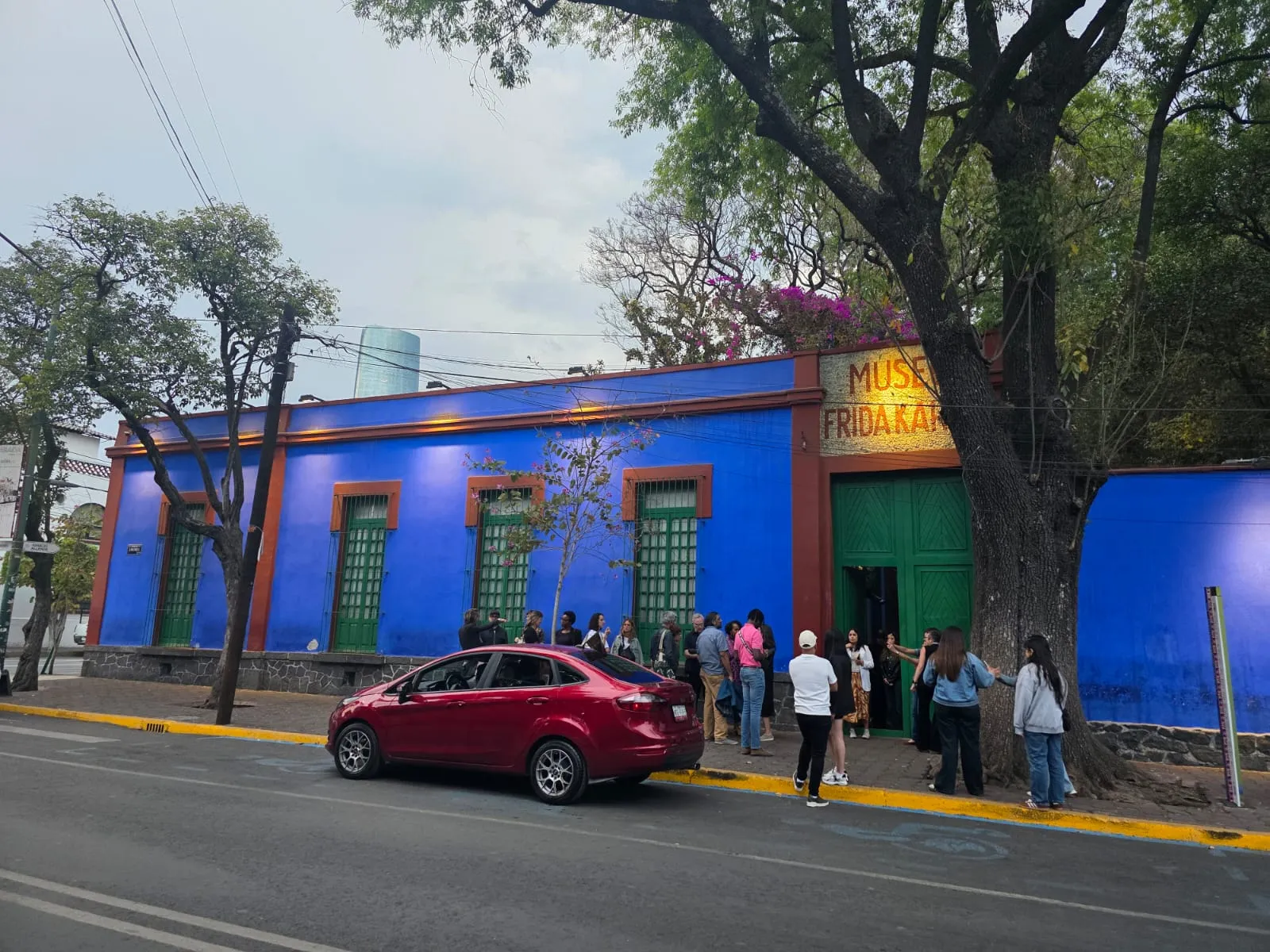
The blue house where Frida Kahlo was born and later lived with Diego Rivera, now a museum of her life and work. Her studio, kitchen and garden are kept much as they were. Coyoacán around it is a relaxed old neighbourhood with a market and leafy squares.

Cost
Paid; timed tickets on the museum’s official site
Time needed
1.5 hours, plus time in Coyoacán
Best time
A weekday morning

Insider tip: Tickets sell out days ahead. Buy them on the official site (boletos.museofridakahlo.org.mx) before you go.

Skip it if: Couldn’t get tickets? Walk Coyoacán anyway; the main squares and market are worth the trip.

Frequently asked questions

How many days do you need in Mexico City?

Three days covers the historic centre, Chapultepec and Coyoacán. Add a day for Teotihuacán and another if you want to eat your way through Roma and Condesa.

Is Mexico City safe for tourists?

Most visits are trouble-free if you take normal big-city care. Stay in busy, well-lit areas, keep your phone and wallet out of back pockets on the Metro, use ride-hailing apps or authorised taxis at night, and check your government’s current travel advice.

How do I get from the airport to the city centre?

Metrobús Line 4 runs from both MEX terminals to the centre for $30 MXN. Authorised taxi booths inside the terminal and ride-hailing apps are the other options.

Can you drink tap water in Mexico City?

No. Drink bottled or filtered water. Restaurants generally use purified water and ice.

Is there a tourist tax in Mexico City?

Yes. Mexico City charges a lodging tax of 3.5% at hotels and similar places, and 5% on stays booked through platforms and intermediaries (Mexico City Fiscal Code, article 164).

Does the altitude affect you in Mexico City?

It can. The city sits at about 2,240 metres. Take the first day easy, drink plenty of water and go light on alcohol.

Plan your next step

Tours & tickets in Mexico City

See options (affiliate link, opens in new tab)

Pick any 10 City Quests for €24.99